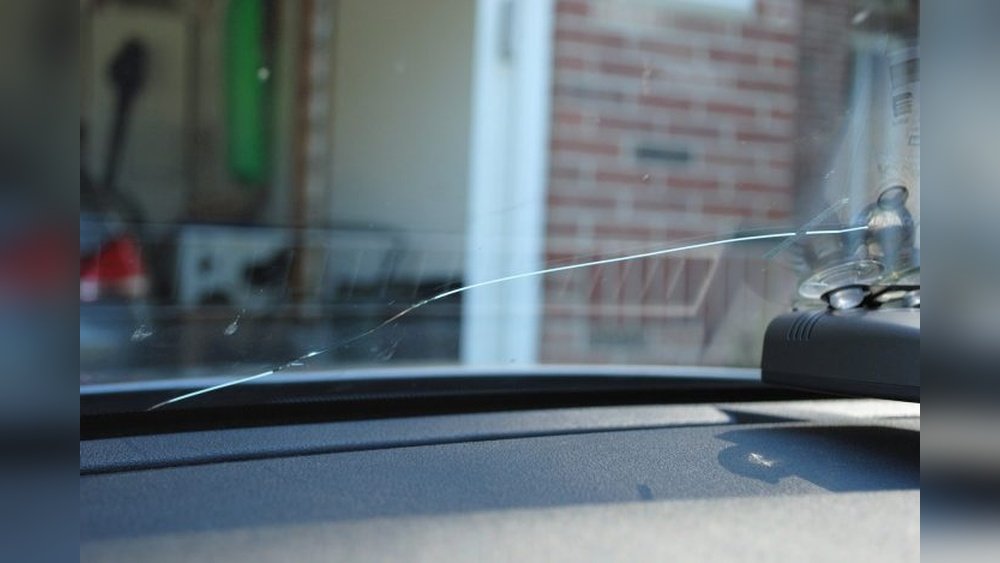
You’ve just noticed a crack on your windshield, and now you’re wondering: is it really safe to drive like this? It’s a question that many drivers face, and the answer isn’t always clear.
That small crack might seem harmless, but it could quickly turn into a bigger problem that affects your safety and your wallet. You’ll discover exactly what risks you’re taking when you drive with a cracked windshield, how to spot the warning signs, and what steps you should take right now to protect yourself and your vehicle.
Keep reading—your safety depends on it.
Credit: www.glasshopperautoglass.com
Risks Of Driving With A Cracked Windshield
Driving with a cracked windshield poses serious risks. The damage might seem small, but it can quickly grow worse. Cracks weaken your car’s safety and can distract you on the road. Understanding these risks helps you stay safe and avoid trouble.
Impact On Structural Integrity
The windshield supports the roof and frame of your car. Cracks reduce this support, making your vehicle less safe in a crash. A broken windshield may fail during an accident, increasing injury risk. It also affects airbag deployment, which can cause harm.
Visibility Concerns
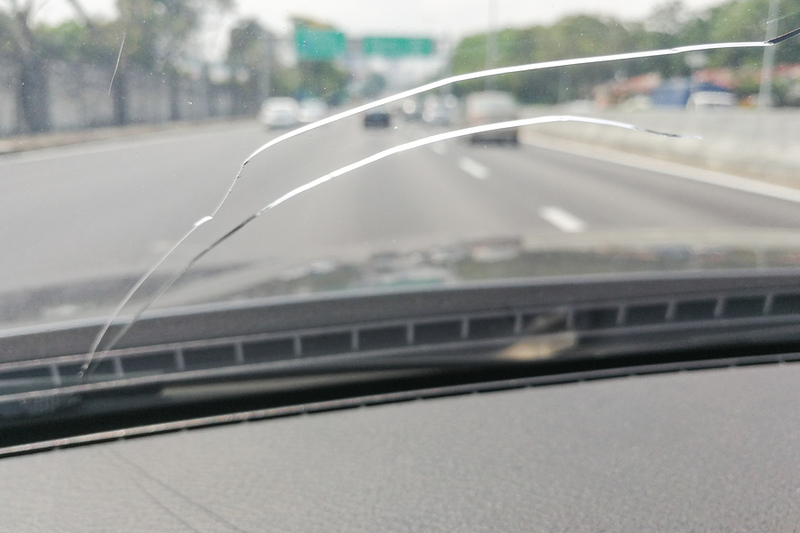
Cracks block your view and create glare from sunlight or headlights. This reduces your ability to see other cars, pedestrians, or road signs. Small cracks can quickly spread, making it harder to drive safely. Poor visibility increases the chance of accidents.
Legal Implications
Many places have laws against driving with damaged windshields. Police can stop you and issue fines for cracked glass. Insurance companies might refuse claims if damage caused an accident. Fixing cracks early prevents legal and financial problems.
Types Of Windshield Cracks
Windshield cracks come in different shapes and sizes. Each type affects the glass differently. Knowing the types helps you decide if driving is safe.
Some cracks are small and easy to fix. Others spread fast and need quick attention. Understanding these types can protect you on the road.
Chip And Bullseye
A chip looks like a small circle or dot on the glass. A bullseye is a round crack with a dark center. These cracks usually happen from small rocks hitting the windshield. They are often shallow but can grow larger if ignored.
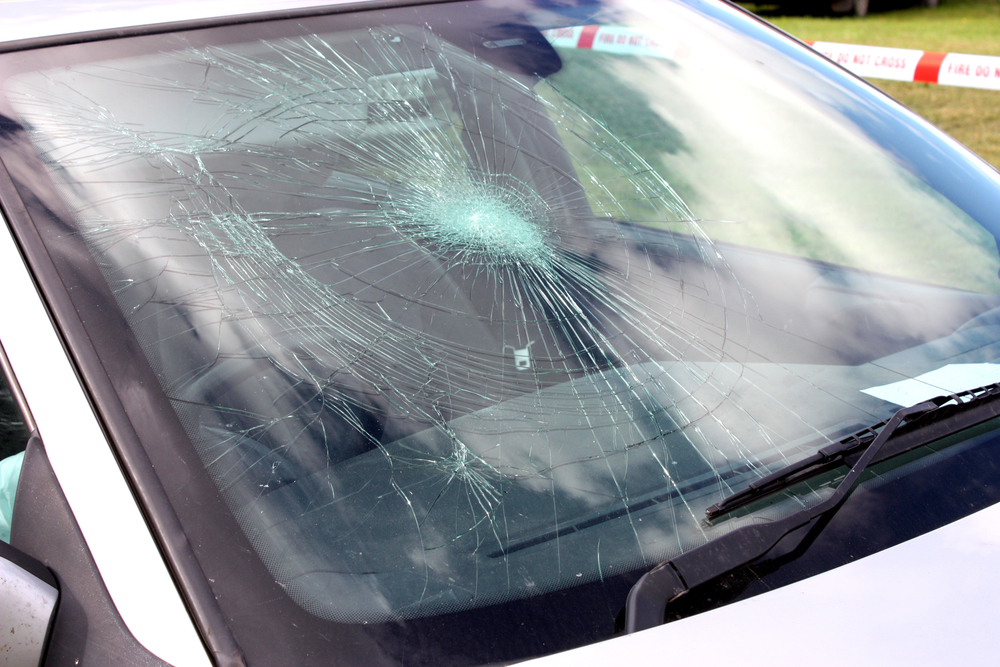
Star Break
This crack looks like a star with lines spreading out. It often starts at a single point and branches in several directions. Star breaks can weaken the windshield’s strength. They may spread quickly with bumps or temperature changes.
Edge Crack
Edge cracks start at the windshield’s edge and move inward. They are dangerous because they affect the glass frame. These cracks grow fast due to pressure and temperature changes. Repairing edge cracks is urgent to keep the windshield stable.
When To Avoid Driving
Driving with a cracked windshield can be risky. Knowing when to avoid driving is key for safety. Some cracks are small and seem harmless. Others can block your view or worsen quickly. Certain conditions make driving unsafe with a cracked windshield. These factors help decide if you should stay off the road.
Size And Location Factors
Large cracks affect windshield strength and visibility. Cracks near the driver’s line of sight are dangerous. Small chips far from the driver might be less risky. Cracks on the edges can weaken the whole glass. Avoid driving if cracks are big or in critical spots.
Weather Conditions
Cold weather can make cracks grow fast. Heat causes glass to expand, worsening cracks. Rain reduces visibility through damaged glass. Avoid driving during extreme cold, heat, or heavy rain with a cracked windshield. Weather changes can quickly make cracks worse.
Potential For Crack Expansion
Vibrations from driving can spread cracks. Bumps or potholes increase crack size quickly. Sudden stops or accidents may shatter weakened glass. Avoid driving if the crack looks like it will grow. Waiting can lead to more expensive repairs or danger.
Credit: www.smileysglass.com
Temporary Safety Measures
Driving with a cracked windshield can be risky. Temporary safety measures help reduce danger until you get it fixed. These steps slow down the crack from growing. They keep the glass stronger for a short time. Use these tips to stay safer on the road.
Using Clear Tape
Place clear tape over the crack. This stops dirt and moisture from entering. It also holds the crack together. Use tape on both sides of the glass. Replace the tape if it starts to peel off.
Avoiding Sudden Temperature Changes
Heat or cold can make the crack bigger. Avoid parking in direct sunlight or near heaters. Do not use hot water to defrost the windshield. Keep the temperature steady to protect the glass.
Driving With Caution
Drive slowly and avoid rough roads. Sudden bumps can worsen the crack. Keep a safe distance from other cars. Avoid heavy braking or sharp turns. Focus on the road and stay alert.
Repair Vs Replacement
Deciding between repairing or replacing a cracked windshield affects safety and cost. Small cracks might be fixed quickly. Large cracks often need a full replacement. Knowing which option fits your situation saves time and money.
Repair Criteria
Cracks smaller than six inches usually qualify for repair. Chips or bulls-eye cracks near the center can be fixed. Repairs stop cracks from spreading further. The crack must not block the driver’s view. Repair works best on simple, shallow damage.
Replacement Indicators
Long cracks over six inches need replacement. Cracks at the edges weaken the glass structure. Damage inside the driver’s direct line of sight requires new glass. Multiple cracks or deep damage also mean replacement. Severe damage reduces windshield strength and safety.
Cost Considerations
Repair costs less than full replacement. Repairs take less time and require fewer materials. Replacement costs vary by vehicle type and glass quality. Insurance may cover repairs fully or partially. Choosing repair or replacement depends on budget and damage severity.
Professional Inspection Tips
Professional inspection is key to knowing if your cracked windshield is safe. Experts can spot damage you might miss. Their advice helps decide if repair or replacement is best.
Getting a proper check keeps you safe and can save money. Here are tips for a good professional inspection.
Choosing A Reputable Service
Pick a service with good reviews and experience. Ask about their certifications and training. A trusted shop uses quality tools and materials. Avoid places that rush or give vague answers. A reliable service cares about your safety.
Questions To Ask Technicians
Ask how deep the crack is and if it can grow. Find out if repair or full replacement is safer. Request details on the repair process and materials used. Check if the shop offers a warranty on their work. Clear answers show the technician’s knowledge and honesty.
Timing For Repairs
Fix the crack as soon as possible. Small cracks can quickly become bigger. Weather changes and road bumps make damage worse. Early repairs cost less and keep you safer. Delaying can mean full windshield replacement later.
Preventing Future Cracks
Preventing future cracks in your windshield is key to keeping your car safe and your view clear. Small cracks can grow fast due to stress from driving or weather. Taking simple steps helps protect your windshield and avoids costly repairs.
Safe Driving Practices
Drive carefully on rough roads to reduce windshield stress. Avoid sudden stops and sharp turns. Keep a safe distance from large trucks. They can throw rocks that crack your glass. Slow down on gravel roads to lessen impact.
Parking Strategies
Park in shaded areas to protect your windshield from heat damage. Avoid parking under trees that drop sap or branches. Use a car cover if shade is not available. Park away from busy streets to reduce the chance of accidents or vandalism.
Windshield Maintenance
Clean your windshield regularly with gentle products. Avoid harsh chemicals that weaken glass. Check for small chips and cracks often. Repair minor damage quickly to stop it from spreading. Replace windshield wipers when they wear out to prevent scratches.
Credit: www.bakerglassinc.com
Frequently Asked Questions
Is It Dangerous To Drive With A Cracked Windshield?
Yes, driving with a cracked windshield is dangerous. It can impair visibility and weaken the glass, increasing accident risks.
How Does A Crack Affect Windshield Safety?
A crack compromises the windshield’s structural integrity. It may shatter easily during impacts, reducing protection for passengers and increasing injury risk.
Can Small Windshield Cracks Worsen While Driving?
Yes, small cracks can quickly expand due to road vibrations and temperature changes, making repairs more difficult and expensive.
When Should You Replace A Cracked Windshield?
Replace the windshield if the crack is large, obstructs vision, or spreads rapidly. Prompt replacement ensures safety and legal compliance.
Conclusion
Driving with a cracked windshield can be risky. Small cracks might seem harmless but can grow quickly. Cracks can block your view and cause accidents. Safety should always come first on the road. Repair or replace a cracked windshield as soon as possible.
This helps keep you and others safe. Remember, a clear windshield means better vision and safer driving. Don’t wait until the crack gets worse. Act now to protect yourself and your passengers. Safe driving starts with a clear, strong windshield.
Leave a Reply