
Have you ever noticed a small chip on your windshield and wondered if it could get worse while you’re driving? That tiny crack might seem harmless now, but it could quickly turn into a bigger problem.
You might be risking your safety without even realizing it. You’ll discover why windshield chips spread, what factors make them worse on the road, and how you can protect yourself from costly repairs. Keep reading—your windshield’s condition could be more important than you think.
How Windshield Chips Form
Windshield chips often start small but can grow into larger cracks. Understanding how these chips form helps prevent further damage. The process begins with a tiny impact on the glass surface. This impact creates a small chip or crack, which can worsen over time.
Common Causes Of Chips
Flying debris is a major cause of windshield chips. Small stones or gravel hit the glass at high speeds. Temperature changes also affect the glass. Hot sun and cold air can cause stress, leading to chips. Poor road conditions and loose materials increase the risk. Even a sudden bump or pothole can worsen existing chips.
Material Weakness In Glass
Windshields are made from laminated safety glass. This glass has a plastic layer between two sheets of glass. The plastic helps hold the glass together after impact. Still, this material can weaken over time. Age, wear, and previous damage reduce its strength. Weak spots in the glass form easily, causing chips to spread faster during driving.
Factors Influencing Chip Spread
Small chips on a windshield can grow and turn into big cracks. Several factors affect how fast and how far a chip can spread. Understanding these can help you protect your windshield better.
Some things make the glass weaker and cause the chip to expand. Others add pressure or stress to the damaged area. Knowing these factors helps you avoid making the damage worse.
Temperature Fluctuations
Glass expands and contracts with heat and cold. When the temperature changes quickly, the chip’s edges feel stress. This stress can cause tiny cracks to grow larger. Hot sunlight in the day and cold nights make chips spread faster.
Road Vibrations And Impacts
Driving on rough roads shakes the car and windshield. These vibrations put pressure on the chip. Bumps and potholes add sudden shocks that can worsen the damage. Smooth roads help keep chips from growing.
Speed And Driving Conditions
High speeds increase wind pressure on the glass. Strong wind pushes against the chip, making cracks grow. Bad weather, like rain or hail, also puts extra stress on the windshield. Slow driving reduces the risk of chip spread.
Risks Of Driving With A Chip
Driving with a windshield chip can cause serious problems. Small chips might seem harmless. Yet, they can quickly turn into bigger issues. The risks go beyond just looks. Your safety and the car’s structure might be at stake. Understanding these risks helps you decide the next steps.
Safety Hazards
A chip weakens the windshield’s strength. It lowers the glass’s ability to protect you. In an accident, the windshield might shatter more easily. Flying glass can cause injuries. Also, a damaged windshield may reduce visibility. Cracks and chips create glare and distort your view.
Potential For Larger Cracks
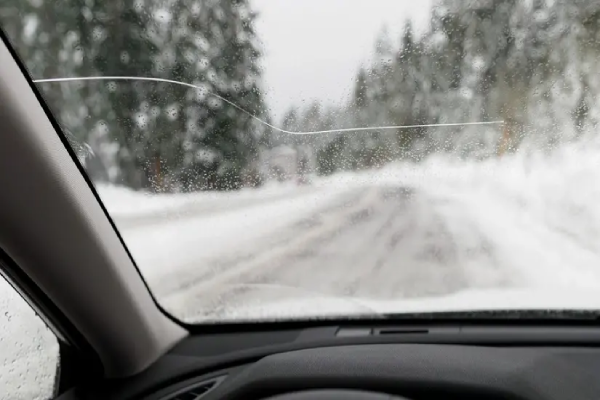
Road bumps and vibrations can make chips grow. Heat from the sun causes glass to expand. Cold weather makes it contract. These changes put pressure on the chip. The chip can quickly spread into a long crack. Once cracks start, repair costs rise sharply. A large crack often means full windshield replacement.

Credit: www.reddit.com
When Chips Turn Into Cracks
Small chips on your windshield may seem harmless at first. They can quickly change and turn into long cracks. This change happens because of stress on the glass during driving. Even tiny impacts from road bumps or temperature changes can cause this spread. Understanding when chips become cracks helps you act fast. Acting fast can save your windshield and prevent costly repairs.
Signs Of Spread
Watch for lines growing out from the chip. These lines can be thin or jagged. You might see small spiderweb patterns forming. Notice if the chip feels rough or sharp. Look for changes after hitting bumps or potholes. Temperature changes can also worsen the damage. Cracks often appear after the glass cools or heats quickly.
Timeline Of Damage Progression
Damage can spread within days or weeks. Some cracks grow slowly over months. Driving on rough roads speeds up the process. Cold weather makes glass contract and crack faster. Hot sun can expand the glass and spread chips. Ignoring chips can lead to full windshield replacement. Early repair helps keep the damage small and manageable.
Preventing Chip Expansion
Small chips on your windshield can quickly turn into large cracks. Preventing chip expansion helps keep your glass safe and clear. Acting fast is key to stopping damage from spreading. Simple steps can protect your windshield while you drive. Quick attention saves money and avoids bigger repairs later.
Immediate Repair Options
Repair kits are available for small chips. These kits fill the chip with resin to stop spreading. Use a kit as soon as you notice damage. Some auto shops offer quick windshield repair services. Professionals can fix chips before they turn into cracks. Early repair strengthens the glass and keeps vision clear.
Protective Measures While Driving
Drive carefully over bumps and rough roads. Sudden jolts increase the chance of chip growth. Avoid extreme temperature changes inside your car. Use sunshades on hot days and park in the shade. Keep the windshield clean to spot new chips early. Gentle driving helps protect your windshield from damage.
Repair Vs Replacement
Deciding between repairing or replacing a windshield chip depends on many factors. The right choice can save money and keep your car safe. Understanding the damage and what each option involves helps make a smart decision. Below, we explore the key points to consider.
Evaluating Damage Severity
Small chips or cracks under the size of a quarter often qualify for repair. If the damage is deep or spreads across the glass, replacement may be necessary. Damage near the edges weakens the windshield more quickly. Cracks that block the driver’s view require immediate attention. Assessing the size, location, and depth helps decide the best action.
Cost And Time Considerations
Repairing a chip usually costs less than replacing the whole windshield. It takes less time too, often under an hour. Replacement involves removing and installing a new windshield, which takes several hours. Insurance may cover repair costs fully or partially. Choosing repair can save money and get you back on the road fast.
Expert Tips For Windshield Care
Taking care of your windshield helps keep it safe and clear. Small chips can turn into big cracks fast. Knowing how to care for your windshield can stop damage from spreading. Follow these expert tips to protect your glass and avoid costly repairs.
Simple checks and good habits make a big difference. Your windshield stays strong longer with the right care.
Regular Inspection
Look at your windshield often for any chips or cracks. Use good light to see small damage clearly. Catching chips early helps prevent cracks from growing. Take pictures if you find new damage. This helps track changes over time. Visit a professional if you see any spreading damage.
Safe Driving Practices
Drive carefully to avoid stones and debris hitting your windshield. Keep a safe distance from vehicles in front. Gravel and loose rocks can fly up and cause chips. Avoid sudden stops and sharp turns that stress the glass. Slow down on rough or gravel roads. Smooth driving helps keep your windshield intact.
Credit: glassdoctor.com

Credit: libertyautoglass.us
Frequently Asked Questions
Can A Windshield Chip Worsen While Driving?
Yes, driving can cause a windshield chip to spread. Vibrations, temperature changes, and road bumps increase stress on the glass. These factors can turn a small chip into a larger crack quickly, compromising safety and visibility.
How Does Temperature Affect Windshield Chips?
Temperature changes cause glass to expand and contract. This movement stresses the chip area, making cracks grow. Hot sun or cold weather accelerates this process. Avoid extreme temperature shifts to prevent chip spread.
Is It Safe To Drive With A Windshield Chip?
Driving with a chip is risky. The damage weakens the glass, increasing crack spread chances. It can impair your vision and compromise safety. Repair or replace the windshield promptly to avoid accidents.
Can Road Vibrations Cause Windshield Chips To Spread?
Yes, road vibrations create constant pressure on the chip. This stress causes micro-fractures to widen and lengthen. Rough roads or potholes increase the risk. Minimizing rough driving helps prevent chip expansion.
Conclusion
A windshield chip can spread while driving, especially on rough roads. Changes in temperature and vibrations make cracks grow fast. Small chips can turn into big cracks quickly. This can block your view and cause danger. Fixing chips early saves money and keeps you safe.
Check your windshield often for any damage. Don’t wait until the chip becomes a crack. Taking care of your windshield helps avoid bigger problems later. Drive safely and watch out for windshield damage.
Leave a Reply