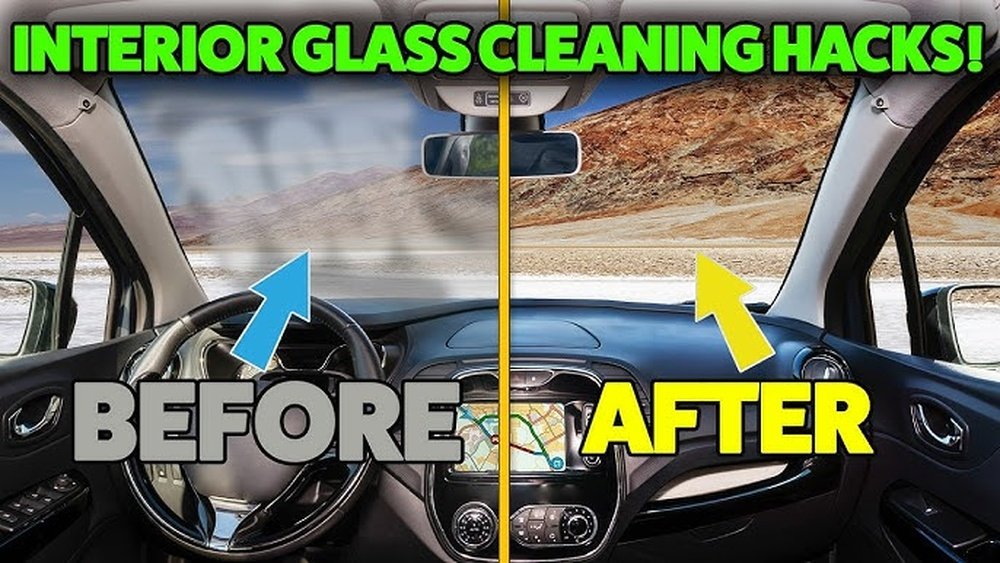
Have you ever noticed that stubborn film or sticky spots on your car windows that just won’t come off? It’s frustrating, isn’t it?
That residue not only blocks your view but also makes your car look less clean than it really is. You might have tried wiping it away, only to find it smears or leaves streaks behind. Don’t worry—cleaning car window residue doesn’t have to be a struggle.
You’ll discover simple, effective steps to get your windows crystal clear again. Keep reading, and you’ll soon enjoy a clearer view and a cleaner car without the hassle.

Credit: www.reddit.com
Causes Of Window Residue
Car window residue can make your glass look dirty and cloudy. It also blocks your view and makes driving unsafe. Understanding what causes these stains helps you clean them better. Many factors create residue on car windows. Identifying these is the first step to keep windows clear and shiny.
Common Types Of Residue
Residue on car windows comes in different forms. Some common types include water spots, dust, and grease. Water spots form when rain or sprinklers dry and leave minerals behind. Dust and dirt settle from the air onto the glass. Grease or oily films come from hands or road grime. Each type needs a different cleaning approach.
Sources Of Buildup
Residue buildup comes from many everyday sources. Road salt in winter sticks to windows and leaves marks. Tree sap and bird droppings fall on the glass and harden. Car washes that use harsh soaps can leave a film. Smoke and pollution from traffic also settle on the glass. Understanding these sources helps prevent residue from forming.
Essential Cleaning Tools
Cleaning car window residue needs the right tools. Using proper items makes the job easier and faster. Good tools help remove dirt and grime without scratching the glass. They also prevent streaks and spots, giving a clear finish.
Recommended Cloths And Sponges
Microfiber cloths work best for car windows. They are soft and trap dirt well. Avoid rough materials that can scratch the glass. Use a clean, dry cloth for wiping after cleaning. Sponges with a gentle texture help remove tough residue. Choose sponges that do not leave fibers behind.
Effective Cleaning Solutions
Use mild soap mixed with water for most residue. Glass cleaners with ammonia work well but use them carefully. Avoid harsh chemicals that can damage window seals. Vinegar mixed with water is a natural and safe option. Test any solution on a small spot first. This prevents damage and ensures safety for your car.
Step-by-step Cleaning Process
Cleaning car window residue is simple when done step-by-step. Following a clear process helps remove dirt and sticky spots. This keeps your windows clear and safe for driving.
Preparing The Surface
Start by parking your car in the shade. This prevents cleaning solutions from drying too fast. Use a soft cloth to wipe dust and loose dirt. This stops scratches during cleaning. Make sure the window is cool to the touch.
Applying Cleaning Agents
Choose a gentle glass cleaner or a mix of vinegar and water. Spray the cleaner evenly on the window. Let it sit for a few minutes to loosen residue. Avoid harsh chemicals that can damage the glass. Use a microfiber cloth to spread the cleaner.
Removing Stubborn Residue
For tough spots, use a plastic scraper or old credit card. Gently scrape the residue without scratching the glass. Repeat spraying and wiping as needed. Use circular motions to polish the window clean. Finish by drying the glass with a clean cloth.
Credit: www.reddit.com
Diy Cleaning Solutions
Removing residue from car windows can be simple and affordable. Many household items work well as cleaning agents. These DIY cleaning solutions are safe and easy to prepare at home. They help clear dirt, grime, and sticky spots without harsh chemicals.
Vinegar-based Mixes
Vinegar is a natural cleaner that breaks down residue effectively. Mix equal parts white vinegar and water in a spray bottle. Spray the solution onto the window and let it sit for a few minutes. Wipe with a clean cloth or paper towel. For tough spots, use undiluted vinegar carefully. Avoid using vinegar on tinted windows to prevent damage.
Soap And Water Recipes
A simple soap and water mix can clean light residue easily. Add a few drops of mild dish soap to warm water. Stir well to create suds. Dip a soft cloth or sponge into the mixture. Wipe the car window gently in circular motions. Rinse with clean water and dry with a microfiber cloth for a streak-free finish.
Commercial Alternatives
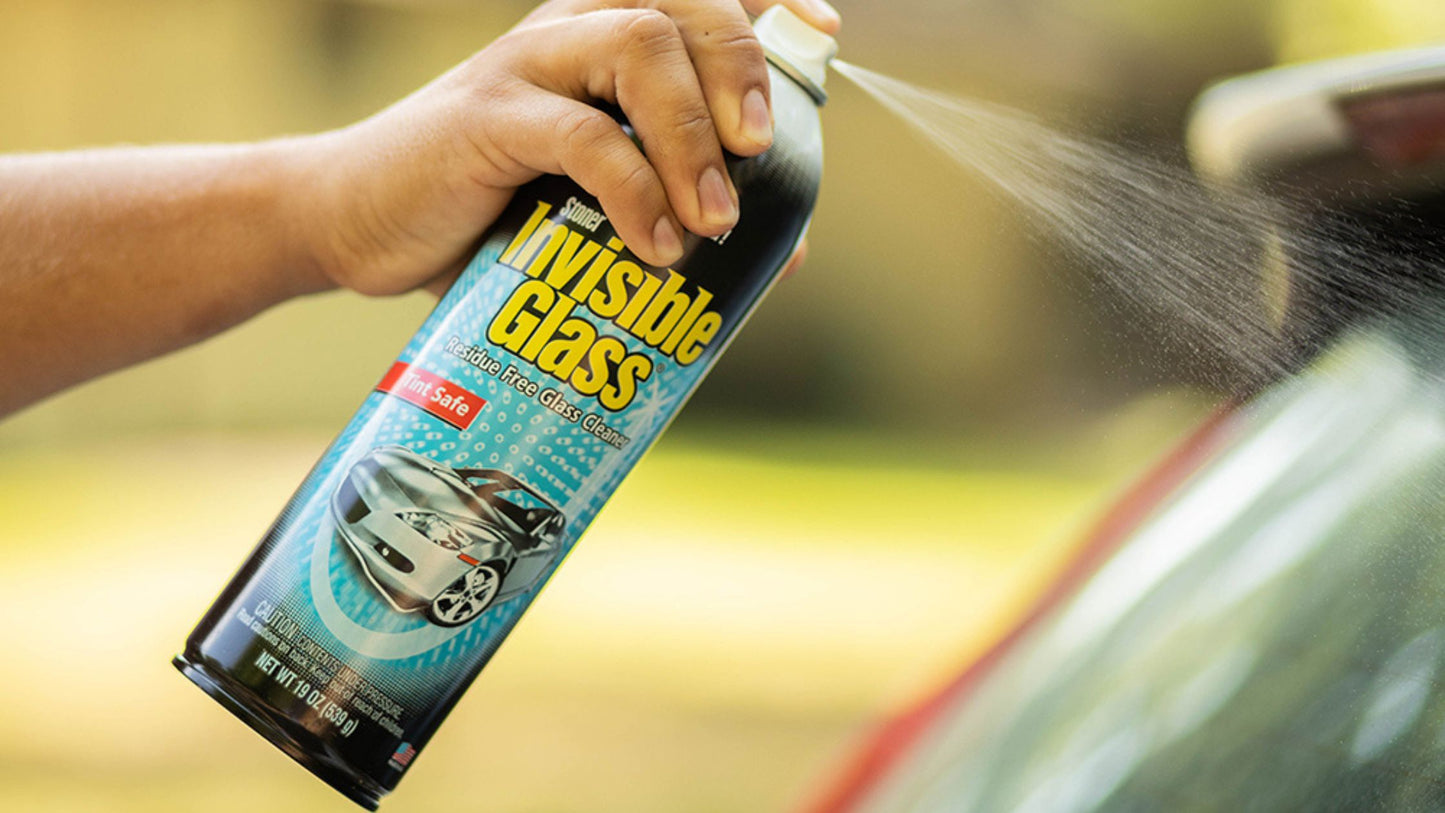
Store-bought cleaners offer quick and effective residue removal. Look for products designed for glass or automotive use. Spray the cleaner on the window and wait briefly. Use a lint-free cloth to wipe the surface clean. Always read instructions before use. Test on a small area to avoid damage. Commercial options may include anti-fog or water-repellent features.
Preventing Future Residue
Preventing residue on car windows saves time and effort. Clean windows improve visibility and keep the car looking fresh. Simple steps help reduce residue build-up and keep glass clear longer.
Regular Maintenance Tips
Clean windows often with a soft cloth and mild cleaner. Avoid harsh chemicals that can leave streaks or damage glass. Wipe off dirt and dust quickly to stop buildup. Use a microfiber cloth to avoid scratches. Regular cleaning stops sticky residue from forming. Check window seals for leaks that cause dirt to stick.
Protective Coatings
Apply a water-repellent coating to the windows. These coatings help water and dirt slide off easily. They reduce the chance of residue sticking to glass. Protective coatings also make cleaning easier and faster. Reapply coatings every few months for best results. Choose products safe for car glass to avoid damage.
Safety Tips During Cleaning
Cleaning car window residue improves visibility and safety. It also keeps your car looking fresh. Taking safety steps protects both you and your vehicle. Follow simple rules to avoid damage and stay safe during cleaning.
Avoiding Damage To Windows
Use soft cloths or sponges for cleaning. Hard brushes can scratch glass surfaces. Avoid harsh scrapers that may crack windows. Test cleaning products on a small spot first. Avoid strong sunlight during cleaning to prevent streaks.
Handling Chemicals Safely
Read all labels on cleaning products carefully. Wear gloves to protect your skin. Work in a well-ventilated area to avoid fumes. Keep chemicals away from children and pets. Store products in a cool, dry place after use.
Credit: stonercarcare.com
Frequently Asked Questions
How Do I Remove Sticky Residue From Car Windows?
Use a mixture of vinegar and water or commercial adhesive remover. Apply gently with a microfiber cloth. Avoid harsh scrubbing to prevent scratches.
What Household Items Clean Car Window Residue Effectively?
Vinegar, rubbing alcohol, and baking soda work well. They dissolve residue without damaging glass. Always test a small area first.
Can I Use Glass Cleaner On Sticky Residues?
Glass cleaner alone may not remove sticky residue. Combine it with a scraper or adhesive remover for best results.
How To Prevent Residue Buildup On Car Windows?
Regular cleaning with mild detergent and water prevents buildup. Avoid parking near trees or construction sites to reduce debris.
Conclusion
Cleaning car window residue does not have to be hard. Use gentle cleaners and soft cloths for best results. Take your time to avoid scratches and streaks. Regular cleaning keeps windows clear and safe to drive. Small efforts make a big difference in visibility.
Enjoy a clean, streak-free car window every time. Keep your car looking fresh with simple care steps. Try these tips and see the difference today. Clean windows help you drive safer and feel better.
Leave a Reply