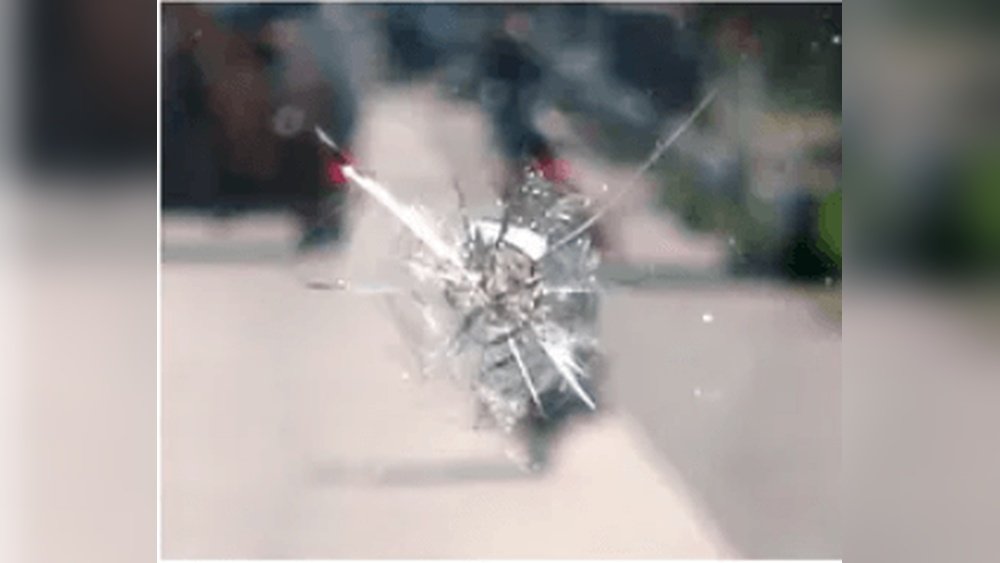
Have you ever noticed a small crack or chip on your windshield and wondered what it really means? A combination windshield chip might seem like just a tiny flaw, but it can affect your safety and your car’s value more than you think.
Understanding what a combination chip is and how it differs from other types of damage is key to knowing when to repair or replace your windshield. Keep reading to discover everything you need to know about combination windshield chips and how to protect your vehicle—and yourself—on the road.

Credit: www.windshieldexperts.com
Combination Windshield Chip Explained
A combination windshield chip is a common type of damage on car windshields. It includes more than one type of crack or chip in one spot. This damage can be tricky because it is not just one kind of chip. It often needs special attention to repair properly.
Understanding what a combination chip is helps you know how to handle it. It also helps you recognize the damage on your windshield. Early repair can stop the damage from getting worse and save you money.
Types Of Chips And Cracks
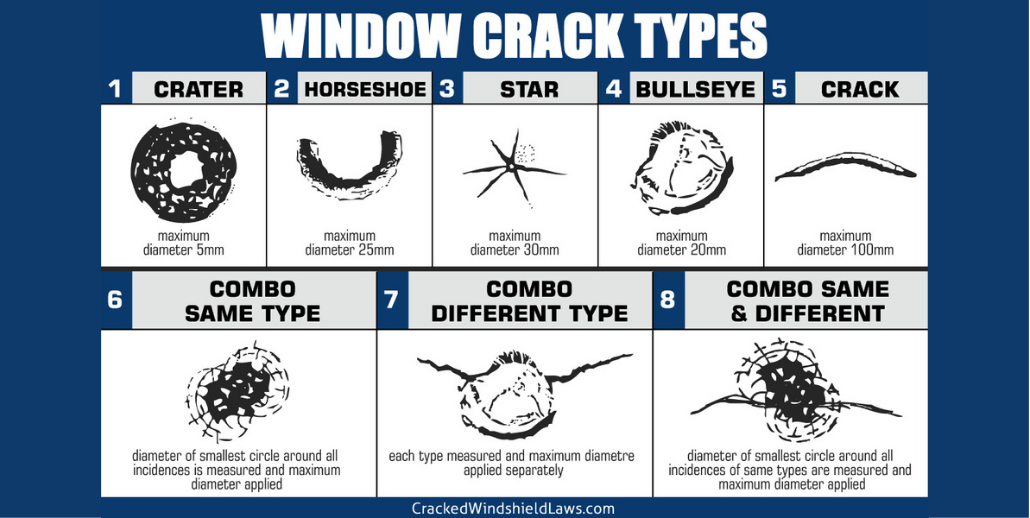
There are many types of chips and cracks that can appear on a windshield. A bullseye chip looks like a circle with a dark center. A star chip has small cracks spreading out like a star. A crack is a long line that can grow over time. Combination chips are a mix of these types in one spot.
For example, a chip may have a bullseye at the center with star cracks around it. Or it may have a crack running through a bullseye chip. The mix makes it harder to fix than a single chip or crack.
How Combination Chips Form
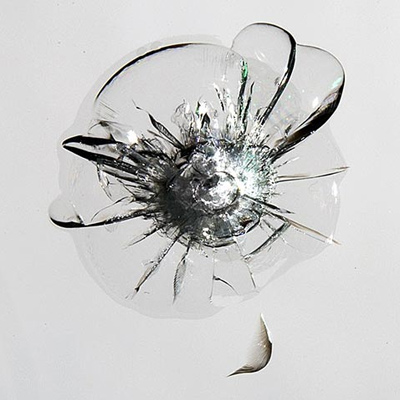
Combination chips form when a windshield hits an object hard. Small rocks or debris on the road often cause this damage. The force breaks the glass in more than one way. This causes different types of chips and cracks to appear together.
The glass layers inside the windshield also affect the damage. The outer layer may crack while the inner layer stays intact. This creates a mix of chip types in one area. Understanding how these chips form helps with proper repair and safety.
Credit: gomechanic.in
Common Causes Of Combination Chips
Combination windshield chips happen due to several common causes. These factors put stress on the glass. Over time, small cracks can turn into larger, more complex chips. Understanding these causes helps in preventing damage and maintaining a clear windshield.
Road Debris Impact
Road debris like stones and small rocks often hit the windshield. The force creates small chips or cracks. Even tiny debris can cause damage at high speeds. This impact is the most frequent cause of combination chips.
Temperature Fluctuations
Glass expands and contracts with temperature changes. Sudden shifts from hot to cold cause stress. This stress can lead to cracks spreading or new chips forming. Rapid temperature changes increase the risk of combination chips.
Poor Road Conditions
Potholes and rough roads cause vibrations and jolts. These shocks affect the windshield’s strength. Weak spots can develop into combination chips. Driving on bad roads raises the chance of windshield damage.
Risks Of Ignoring Combination Chips
Ignoring combination windshield chips can lead to serious problems. These chips often start small but can quickly grow. Over time, they weaken the glass, making your windshield unsafe. Understanding the risks helps you act fast and avoid bigger issues.
Safety Hazards
Combination chips reduce the strength of your windshield. A weak windshield may shatter during a minor accident. This increases the risk of injury from glass shards. Driving with damaged glass also puts you and passengers in danger.
Visibility Impairment
Chips can distort your view of the road. Light can scatter through cracks, causing glare. This makes it hard to see clearly, especially at night. Poor visibility increases the chance of accidents.
Costly Repairs
Small chips are easier and cheaper to fix. Ignoring them often leads to larger cracks. Large cracks usually mean a full windshield replacement. Replacement costs much more than simple chip repair.
Repair Options For Combination Chips
Combination windshield chips need quick action to avoid bigger damage. Choosing the right repair option can save your windshield. Several ways exist to fix these chips. Each has benefits and limits. Understanding these helps you pick the best solution.
Diy Repair Kits
DIY repair kits offer a simple way to fix small chips. They include resin and tools to fill the damaged area. Kits are affordable and easy to use at home. They work best for minor chips that do not spread. Clean the chip carefully before applying the resin. Follow the instructions closely for the best result. These kits save time but may not work for deep or complex chips.
Professional Repair Services
Experts use advanced tools to repair combination chips. They inject high-quality resin that bonds strongly to glass. Professionals can fix larger or more complex chips safely. The repair looks clearer and lasts longer than DIY fixes. They also check for hidden cracks. Professional service costs more but offers the best protection for your windshield.
When To Replace The Windshield
Some chips cannot be repaired and need a full replacement. Large chips, cracks over six inches, or chips near edges require replacement. Multiple chips or cracks that spread quickly also need new glass. Replacement ensures safety and clear vision while driving. Consult a professional to decide if repair or replacement is necessary.
Preventing Windshield Damage
Preventing windshield damage helps keep your glass clear and safe. Small chips can grow into big cracks. This makes driving dangerous and costly to fix. Taking simple steps can protect your windshield from harm. These actions save money and keep your view clear.
Safe Driving Tips
Drive at a steady speed on highways. Avoid sudden stops or sharp turns. Keep a good distance from the car ahead. Rocks and debris fly from tires and cause chips. Slow down on gravel or rough roads. Watch out for construction zones and avoid them if possible.
Protective Measures
Use a windshield protector when parked outside. Park in shaded or covered spots to avoid heat damage. Replace old windshield wipers to prevent scratches. Avoid slamming car doors to reduce vibrations. Use high-quality windshield glass for better strength. Cover your car during storms or hail.
Regular Maintenance
Clean your windshield regularly with a soft cloth. Check for small chips or cracks often. Fix tiny chips immediately before they spread. Inspect wiper blades and replace if worn out. Schedule professional windshield checks yearly. Maintaining your windshield ensures clear vision and safety.
Credit: elmersautobody.com
Frequently Asked Questions
What Is A Combination Windshield Chip?
A combination windshield chip is a type of crack that includes multiple damage forms. It often has a bullseye, star, or crack all in one. This chip can weaken your windshield and needs timely repair to prevent spreading.
How Does A Combination Chip Affect Windshield Safety?
Combination chips compromise the windshield’s structural integrity. They reduce visibility and increase the risk of glass shattering during impacts. Repairing or replacing the windshield promptly is essential to maintain safety.
Can A Combination Chip Be Repaired?
Yes, many combination chips can be repaired if addressed early. Specialized resin fills cracks and restores strength. However, large or severe chips may require full windshield replacement.
What Causes Combination Windshield Chips?
Combination chips usually result from impact by debris like rocks or road hazards. Sudden temperature changes can worsen these chips. Driving conditions and speed also influence damage severity.
Conclusion
A combination windshield chip affects both the glass surface and inside layers. It can grow bigger if not fixed soon. Small chips may turn into cracks that are costly to repair. Early repair keeps your windshield strong and clear. Watch for any chips after driving on rough roads.
Taking quick action helps keep you safe on the road. Remember, a healthy windshield protects you and your passengers well.
Leave a Reply