
You just noticed a small chip on your windshield. It might seem harmless, but how long can you actually drive with it before it turns into a bigger problem?
Ignoring that tiny crack could lead to expensive repairs or even put your safety at risk. You’ll discover why acting quickly matters, how to spot warning signs, and what steps you should take to protect yourself and your car. Keep reading to find out exactly how long you can drive with a windshield chip—and when it’s time to fix it.
Risks Of Driving With A Windshield Chip
Driving with a windshield chip can seem harmless at first. Many drivers ignore small chips, thinking they cause no harm. This can lead to bigger problems. Understanding the risks helps you make safer choices on the road.
Impact On Visibility
A chip can block your view while driving. Sunlight or headlights can reflect off the damaged area. This creates glare and makes it harder to see clearly. Poor visibility increases chances of accidents.
Potential For Crack Expansion
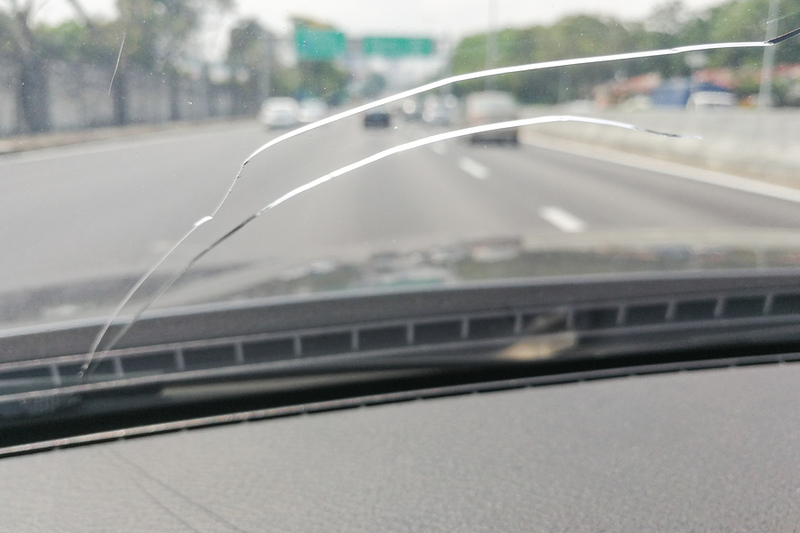
Chips often grow into cracks over time. Temperature changes and road bumps stress the glass. A small chip can quickly turn into a large crack. This weakens the windshield and may cause it to shatter.
Legal Implications
Many states have laws about windshield damage. Driving with a chip or crack might break these rules. This could lead to fines or failed vehicle inspections. Keeping your windshield in good shape avoids legal trouble.

Credit: www.glasshopperautoglass.com
Factors Influencing Chip Severity
Understanding the factors that affect how long you can drive with a windshield chip helps keep you safe. Not all chips are the same. Some can get worse quickly. Others may stay small for weeks. Knowing what changes a chip’s size or shape is important. These factors guide you on when to repair the damage.
Size And Location Of The Chip
Small chips less than a quarter are often less risky. Large chips spread faster and weaken the glass. Chips near the edge of the windshield are more dangerous. They can grow into cracks faster than those in the center. The location affects how much pressure the chip faces while driving.
Weather Conditions
Cold weather can make chips worse. Freezing temperatures cause glass to contract and expand. Heat also affects the chip by expanding the glass. Sudden temperature changes, like using hot water on a cold windshield, increase damage risk. Rain and moisture can seep into the chip, making cracks grow.
Driving Habits
Rough roads cause more stress on the windshield. Bumps and potholes shake the glass, enlarging chips. High-speed driving increases wind pressure on the chip. Frequent stops and sharp turns also strain the damaged area. Gentle driving on smooth roads puts less pressure on the chip.
When To Repair Or Replace Your Windshield
Deciding whether to repair or replace your windshield depends on the chip’s size, location, and damage extent. Acting fast can save your windshield and money. Understanding the signs for repair or replacement helps keep your car safe.
Signs Repair Is Possible
Small chips under the size of a quarter usually can be repaired. Cracks shorter than three inches also qualify for repair. Damage that does not block the driver’s view is easier to fix. Clear chips without dirt inside have a higher chance of repair. Repairs stop the chip from spreading and restore strength.
Situations Requiring Full Replacement
Large chips or cracks over six inches need full replacement. Damage in the driver’s direct line of sight reduces visibility and safety. Multiple chips or cracks close together weaken the glass structure. When chips have dirt or moisture inside, repairs may fail. Deep cracks that reach the inner layer always require replacement.

Credit: www.reddit.com
Safe Driving Tips With A Windshield Chip
Driving with a windshield chip requires extra care to keep you safe. Small chips can turn into big cracks if not handled properly. Follow these tips to protect your windshield and avoid costly repairs. Stay alert and drive carefully.
Avoiding Extreme Temperatures
Heat and cold can make a chip worse. Avoid parking in direct sunlight for long times. In winter, do not pour hot water on the windshield. Sudden temperature changes can cause the chip to spread quickly. Use shade or a cover to protect your glass.
Reducing Stress On The Glass
Drive gently on rough roads. Bumps and vibrations can enlarge the chip. Avoid slamming doors hard, as this shakes the car frame. Keep a safe distance from large trucks to reduce flying debris. Smooth driving helps keep the chip stable.
Monitoring Chip Progression
Check the chip every day for growth or cracks. Use a bright light to see small changes clearly. Mark the edges with a washable pen to track size. If the chip grows, get it repaired immediately. Early repair prevents big damage and saves money.
Choosing The Right Repair Service
Choosing the right repair service for a windshield chip affects safety and cost. Quick and proper repair stops cracks from growing. The service quality impacts how long your windshield lasts. Consider repair options carefully to avoid future issues.
Professional Vs. Diy Repairs
Professional repairs use special tools and resins. Experts know how to fix chips without causing more damage. DIY kits are cheaper but need careful handling. They work best for very small chips. Big cracks need professional help to ensure safety.
Cost Considerations
Professional repairs cost more but last longer. DIY kits are affordable but may not fix chips fully. Insurance often covers professional repair costs. Choosing a service depends on your budget and chip size. Avoid cheap fixes that can lead to bigger expenses.
Warranty And Quality Assurance
Look for services that offer warranties on repairs. A warranty shows the company trusts its work. Quality assurance means the repair meets safety standards. Without warranty, you risk paying twice for the same problem. Reliable services protect your investment and safety.
Credit: www.smileysglass.com
Frequently Asked Questions
How Long Is Safe To Drive With A Windshield Chip?
You can drive safely for a few days with a small chip. However, quick repair is recommended to prevent spreading and visibility issues.
Can A Windshield Chip Cause Accidents While Driving?
Yes, chips can obstruct vision or weaken the glass, increasing accident risk. Repairing chips promptly ensures clear sight and safer driving.
When Should You Repair A Windshield Chip?
Repair a chip as soon as possible, ideally within 24 to 48 hours. Quick repair prevents crack growth and maintains windshield strength.
Does Temperature Affect How Long You Can Drive With A Chip?
Yes, extreme heat or cold can worsen chips quickly. Avoid driving in harsh weather and get the chip fixed promptly to prevent damage.
Conclusion
A windshield chip can last days or weeks, but risks grow fast. Small chips can spread and turn into big cracks. Driving with a damaged windshield can be unsafe and may block your view. Fix chips soon to avoid costly repairs or replacements.
Check your windshield often and act quickly when you see damage. Keeping it clear helps protect you and others on the road. Don’t wait—address chips before they get worse. Safety matters most.
Leave a Reply