
Have you ever noticed a small chip on your windshield and wondered how long it can last before causing serious damage? You might think it’s no big deal to leave it unrepaired, but that tiny chip could quickly turn into a costly crack.
Understanding how long an unrepaired windshield chip lasts can save you time, money, and stress. You’ll discover why ignoring that chip is risky and what you can do to protect your car and your safety. Keep reading to learn the truth about windshield chips before it’s too late.
Causes Of Windshield Chips
Windshield chips happen often and can get worse fast. Tiny cracks start small but grow over time. Knowing what causes these chips helps to prevent damage. Understanding the reasons behind windshield damage is key to keeping your glass safe and clear.
Common Sources Of Damage
Small rocks and debris hit the windshield while driving. Loose gravel on roads is a frequent cause. Other cars may kick up stones that strike your glass. Sudden temperature changes can make chips spread quickly. Hail and falling branches also cause windshield damage.
Types Of Chips And Cracks
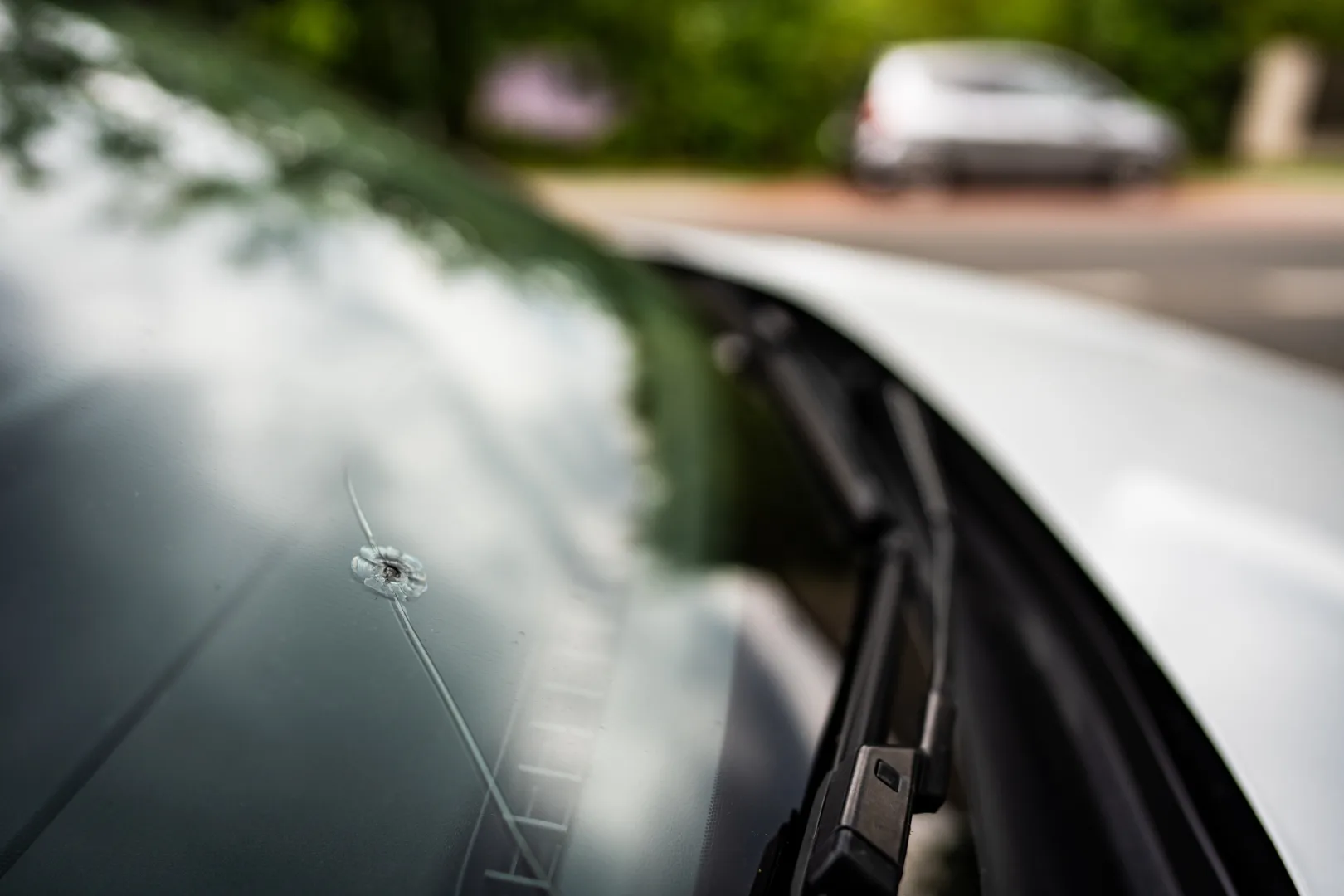
There are several types of windshield damage. Bullseye chips are round with a dark center. Star breaks have lines spreading out like a star. Crack types include long straight lines or spiderweb patterns. Each type affects how long the chip lasts unrepaired.

Credit: a-ztechautomotive.com
Lifespan Of Unrepaired Chips
Unrepaired windshield chips do not last forever. Their lifespan depends on many things. Some chips stay small and stable for weeks. Others grow fast and cause cracks. Knowing how long chips last helps decide when to fix them. Ignoring chips can lead to costly repairs or replacement.
Several factors affect how long a chip remains without worsening. Understanding these factors helps protect your windshield. Acting early can save money and keep driving safe.
Factors Influencing Chip Duration
The size of the chip matters. Small chips last longer without spreading. Deeper chips weaken the glass quickly. The location also plays a role. Chips near the edges spread faster than those in the center. The type of glass affects durability too. Some windshields resist damage better than others. Pressure changes inside the car can worsen chips. Sudden bumps or impacts speed up damage.
Environmental Effects On Damage Progression
Hot weather makes glass expand. This can cause chips to grow. Cold weather shrinks glass, creating stress around chips. Rain or moisture seeps into cracks, weakening glass. Dirt and debris can get inside chips. This dirt makes chips spread faster. Road vibrations shake the windshield, worsening damage. Sunlight can heat the chip area unevenly. This heat difference can cause cracks to form.
Risks Of Ignoring Chips
Ignoring a windshield chip can cause serious problems. Small chips might seem harmless but can quickly grow into large cracks. These damages reduce the strength of your windshield. They also affect your driving safety and can cost more to fix later. Understanding the risks helps you decide why quick repair matters.
Safety Hazards On The Road
A chip weakens the windshield’s ability to protect you. During an accident, a damaged windshield may shatter more easily. This increases the risk of injury from glass shards. A cracked windshield also blocks your clear view of the road. It can cause distractions and reduce your reaction time. Driving with a chip is a safety risk you should not ignore.
Potential For Further Damage
Chips often expand into long cracks due to heat and cold changes. Bumps and vibrations from driving can worsen the damage. Once cracks grow, windshield replacement is usually necessary. Repair costs rise as damage spreads. Quick action stops chips from becoming expensive repairs. Leaving chips unrepaired often leads to bigger problems on your vehicle.

Credit: www.reddit.com
Impact On Vehicle Value
A windshield chip may seem small, but it affects a vehicle’s value. The chip can grow into a crack, making the windshield unsafe. Potential buyers often see chips as a sign of poor care. This perception lowers the vehicle’s worth. Repairing chips early keeps the car’s value higher.
Effect On Resale Price
Unrepaired chips reduce the car’s resale price. Buyers expect a clear, damage-free windshield. Chips suggest neglect and future repair costs. This makes buyers offer less money. Even small chips can create a big price drop. A repaired windshield helps keep the resale price steady.
Insurance Implications
Insurance companies notice windshield damage during claims. Some insurers may raise premiums if chips are ignored. Others might refuse to cover windshield repairs later. Repairing chips early can lower insurance costs. Quick fixes avoid bigger claims and extra expenses.
Repair Vs. Replacement
Deciding between repair and replacement for a windshield chip depends on damage size and location. Small chips often get fixed without removing the glass. Large cracks or chips near the edges usually need a full replacement. Understanding these differences helps protect your car and save money.
When Repair Is Possible
Repair works best for chips smaller than a quarter. If the chip does not block the driver’s view, it can be fixed. Repairs stop cracks from spreading and restore glass strength. Quick repairs cost less and take less time. Using resin, technicians fill the chip to prevent damage growth.
Signs Replacement Is Needed
Replace the windshield if cracks are longer than six inches. Chips near the glass edge weaken the whole windshield. Multiple chips or deep cracks also require replacement. When damage affects driver visibility, replacement is safest. A cracked windshield may fail in an accident, risking injury.
Credit: www.valleyglass.com
Preventive Measures
Taking care of a windshield chip early can save time and money. Small chips can grow fast without care. Preventive actions stop cracks from spreading. These steps keep your windshield safe and clear.
Protecting Your Windshield
Park your car in the shade or garage. Sunlight and heat can make chips worse. Avoid rough roads and potholes to reduce stress on glass. Drive slowly over bumps to lessen impact. Use a windshield cover during harsh weather.
Regular Maintenance Tips
Clean your windshield often with mild soap and water. Avoid strong chemicals that weaken the glass. Check chips and cracks for any change in size. Repair small chips quickly before they get bigger. Replace worn windshield wipers to prevent scratches.
Frequently Asked Questions
How Long Can A Windshield Chip Go Unrepaired?
A windshield chip can last days to months unrepaired. However, temperature changes and road vibrations may cause it to spread quickly. Repairing early prevents further damage and costly replacements.
What Happens If A Windshield Chip Is Ignored?
Ignoring a windshield chip can cause it to crack and weaken. This compromises safety and visibility. Small chips can turn into large cracks, making repairs impossible and requiring full windshield replacement.
Can Weather Affect An Unrepaired Windshield Chip?
Yes, weather affects windshield chips significantly. Cold temperatures can cause chips to expand and crack, while heat can worsen damage. Moisture entering the chip also promotes spreading, making repair urgency high.
Is It Safe To Drive With An Unrepaired Windshield Chip?
Driving with an unrepaired chip is risky. It reduces windshield strength and visibility. Sudden impacts or vibrations may cause cracks, compromising your safety and leading to expensive repairs.
Conclusion
A windshield chip can last days or weeks without repair. But cracks often grow fast with heat, cold, or bumps. Leaving it unrepaired risks bigger damage and costly fixes. Small chips block your view and can be unsafe. Repairing early keeps your windshield strong and clear.
Don’t wait for chips to spread. Act soon to save money and stay safe on the road.
Leave a Reply