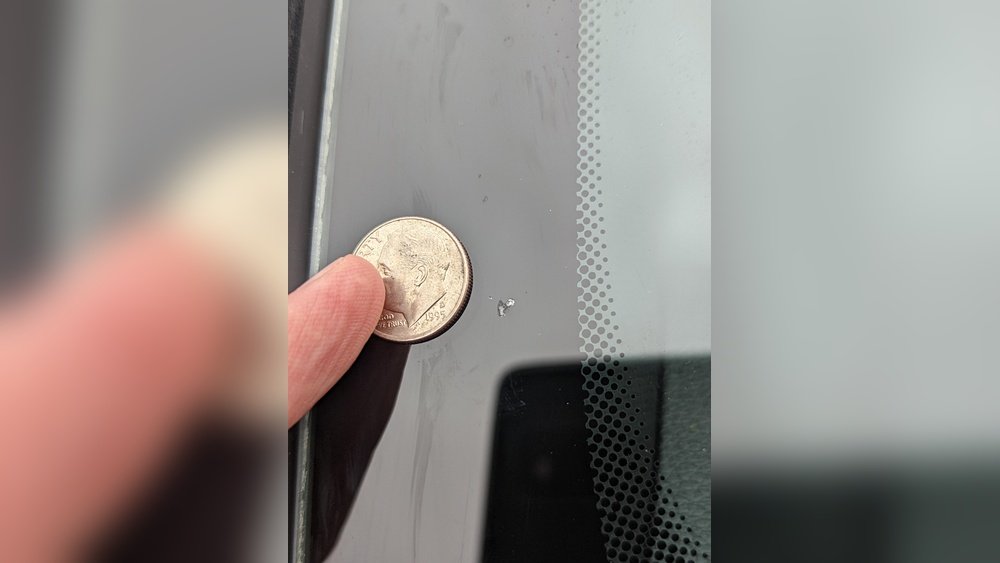
Have you ever noticed a small chip on your windshield and wondered, “Is this really a big deal?” You might think it’s just a minor flaw, but ignoring it could put you and your passengers at risk. That tiny crack can quickly turn into a dangerous problem, leading to costly repairs or even accidents.
You’ll discover why windshield chips are more serious than they seem and what steps you should take to keep your car—and your safety—intact. Keep reading to protect yourself from a hazard that’s closer than you think.
Causes Of Windshield Chips
Windshield chips happen for many reasons. Small cracks or chips can grow into bigger problems fast. Understanding what causes these chips helps keep your windshield safe and clear.
Common Sources Of Chips
Many chips start from stones and small rocks. These often fly up from other cars on the road. Even a tiny chip can spread if not fixed soon. Driving close behind trucks or cars increases the risk.
Sometimes, careless driving near construction zones causes chips. Loose gravel and sharp debris can hit your windshield. Slow driving in these areas can help reduce damage.
Impact Of Road Debris
Road debris is a major cause of windshield chips. Broken glass, metal pieces, and trash can strike your windshield. These hits may seem small but cause cracks inside the glass. Debris on highways moves fast and hits with force.
Driving through areas with poor road maintenance can increase debris risks. Potholes and broken pavement often hide loose stones. Avoiding these spots protects your windshield.
Weather-related Factors
Weather changes also cause windshield chips. Hot sun can weaken glass over time. Cold weather makes glass brittle and easier to crack. Rapid temperature changes cause stress on the glass.
Hailstorms create strong impacts that chip windshields. Ice and snow can hide debris that hits your glass. Regular inspection helps catch small chips caused by weather.

Credit: www.holmanhondacentennial.com
Types Of Windshield Damage
Windshield damage comes in various forms. Understanding the types helps you know the risk level. Some damage looks small but can cause big problems later. Knowing the difference can save time and money.
Chips Vs Cracks
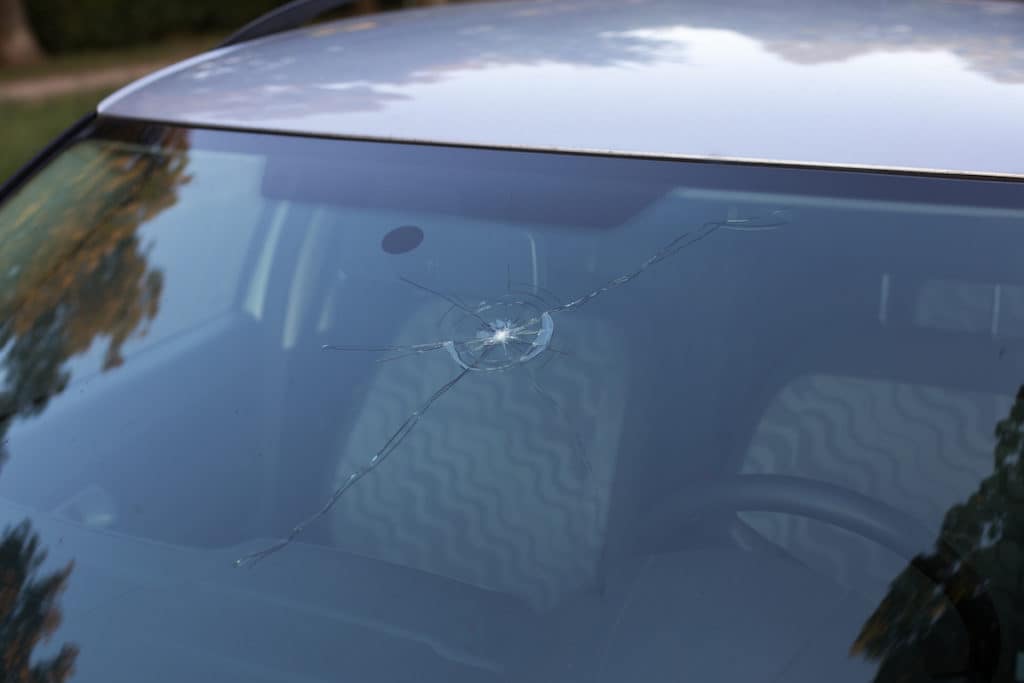
Chips are small, round breaks on the glass surface. They often happen from stones hitting the windshield. Cracks are long lines that can stretch across the glass. Chips may seem harmless, but cracks are more serious.
Severity Levels
Damage severity depends on size, depth, and location. Small chips under a quarter are less risky. Large cracks over several inches are very dangerous. Damage near the driver’s view reduces safety the most.
How Damage Spreads
Windshield damage spreads over time. Temperature changes and bumps cause cracks to grow. Water and dirt can worsen the damage inside the glass. Quick repair stops small damage from becoming big.
Risks Of Ignoring Chips
Ignoring a chip in your windshield can cause serious problems. The damage may seem small but it can grow quickly. Small chips can turn into large cracks. This weakens your windshield and puts you at risk.
Many drivers think a chip is harmless. This mistake can lead to safety risks and higher costs. Understanding the dangers helps you act fast and protect yourself.
Compromised Structural Integrity
The windshield supports your vehicle’s roof. A chip weakens this support. In a crash, a damaged windshield may fail. This increases the risk of injury. A strong windshield keeps you safe.
Safety Hazards While Driving
Chips can distort your view. They create glare and shadows. This distracts you while driving. Cracks can spread quickly from bumps or temperature changes. This sudden damage can cause accidents.
Higher Repair Costs
Fixing a small chip is cheaper than replacing a full windshield. Ignoring chips lets damage grow. Once cracks spread, repair may not be possible. Replacing the windshield costs much more money. Acting early saves money and hassle.

Credit: www.windshieldexperts.com
When To Repair Or Replace
Deciding whether to repair or replace a windshield chip depends on its size, location, and severity. Small chips might only need quick repairs. Larger or badly placed damage often requires full replacement. Understanding these factors helps protect your safety and save money.
Assessing Damage Size And Location
Small chips under the size of a quarter usually qualify for repair. Chips larger than this often need replacement. Location matters too. Chips in the driver’s direct view can cause dangerous vision problems. Damage near the edges weakens the glass structure. Both cases often require a full windshield replacement.
Professional Repair Options
Experts use special resin to fill small chips and cracks. This process stops the damage from spreading. Repairs are quick and cost-effective. It restores some strength and clarity to the glass. Always choose a certified technician for repairs. Poor repairs can lead to more damage.
Replacement Indicators
Replace the windshield if cracks are longer than six inches. Multiple chips or cracks also mean replacement. Damage that affects windshield sensors or heating elements needs a new glass. If cracks block the driver’s view, replacement is safer. Replacement ensures full strength and clear vision.
Preventing Windshield Damage
Preventing windshield damage is important to keep your car safe and clear. Small chips can turn into big cracks if ignored. Taking steps to protect your windshield helps avoid costly repairs and dangerous driving conditions. Simple actions can make a big difference over time.
Safe Driving Tips
Drive carefully on rough roads to avoid flying stones. Keep a safe distance from large trucks. They can throw debris that hits your windshield. Avoid sudden stops and sharp turns to reduce stress on the glass. Slow down near construction zones or gravel roads.
Protective Films And Coatings
Apply a clear protective film on your windshield. It adds a layer of defense against chips and scratches. Some coatings help repel water and dirt too. These treatments keep your windshield cleaner and stronger. They cost less than windshield replacements.
Regular Inspections
Check your windshield often for small chips or cracks. Early detection helps stop damage from growing. Use a flashlight to spot tiny flaws. Visit a professional for thorough inspections at least twice a year. Quick repairs can save money and improve safety.
Credit: www.toyotaofbristol.com
Frequently Asked Questions
Can A Windshield Chip Turn Into A Crack?
Yes, a chip can expand into a crack due to temperature changes or vibrations. Prompt repair prevents costly windshield damage.
Is Driving With A Windshield Chip Unsafe?
Driving with a chip reduces windshield strength and visibility. It increases injury risk during accidents and should be repaired quickly.
How Much Does It Cost To Fix A Windshield Chip?
Repair costs range from $50 to $150 depending on chip size and location. Early repair is affordable and prevents expensive replacements.
Can A Windshield Chip Affect Vehicle Inspection?
Yes, many states fail vehicles with visible chips or cracks. Repairing chips ensures your vehicle passes safety inspections and avoids fines.
Conclusion
A windshield chip might seem small but can cause big problems. It can grow into a crack fast. Cracks reduce your view and make driving unsafe. Fixing chips early saves money and stress. Ignoring them risks costly windshield replacements. Stay safe by checking your windshield often.
Repair chips as soon as possible. Keep your car’s glass strong and clear. Don’t wait until the damage spreads. Protect yourself and others on the road. A little care goes a long way.
Leave a Reply