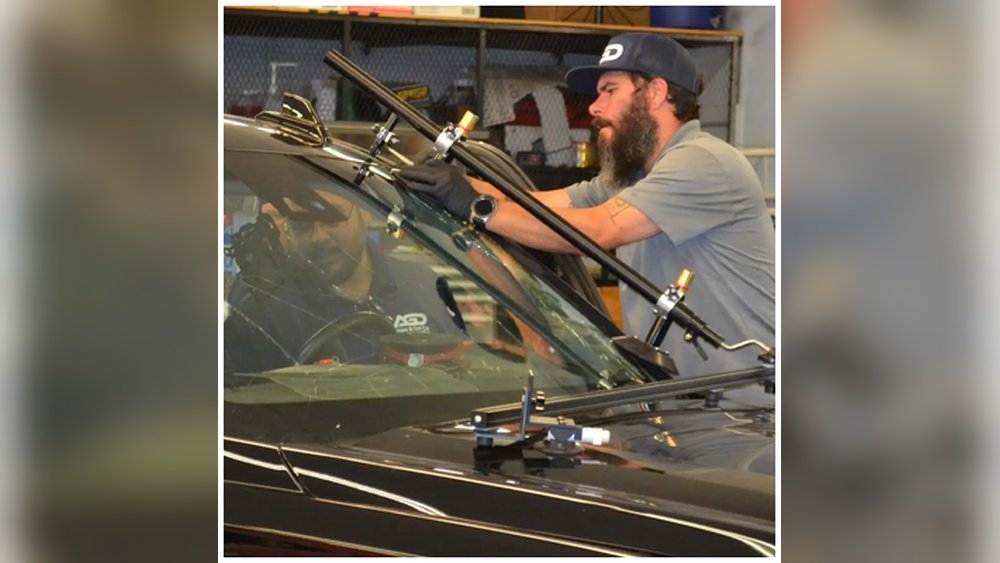
Have you just had your windshield replaced and now wonder when you can safely get back behind the wheel? Driving too soon after a windshield replacement can be risky, but waiting longer than necessary can disrupt your daily routine.
You want to know exactly when it’s safe to drive without putting yourself or others in danger. You’ll discover the crucial time frames, what factors affect the drying process, and simple tips to protect your investment. Keep reading to make sure you hit the road safely and confidently after your windshield replacement.
Curing Time For Windshield Adhesive
The curing time for windshield adhesive is crucial after replacement. This time allows the glue to harden and secure the glass firmly. Driving too soon can weaken the bond and cause safety issues. Understanding how long the adhesive needs to cure helps keep you safe on the road.
Types Of Adhesives Used
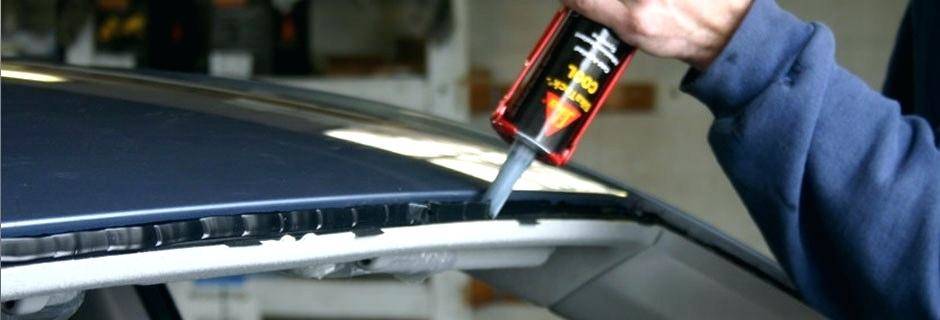
Different adhesives have different curing times. Polyurethane adhesives are common and strong. They usually take about one hour to set and 24 hours to fully cure. Some fast-curing adhesives dry in 30 minutes but may not be as strong. The type of adhesive affects how soon you can drive safely.
Factors Affecting Drying Time
Temperature plays a big role in drying time. Warmer weather speeds up curing, while cold slows it down. Humidity also affects how fast the glue hardens. Thicker adhesive layers take longer to dry. The car model and adhesive brand can change the curing time too.
Safety Concerns Post-replacement
Driving after a windshield replacement needs careful attention to safety. The new glass needs time to set properly. Rushing to drive can cause problems. Understanding the safety concerns helps protect you and others on the road.
Impact On Structural Integrity
The windshield supports your car’s frame. It helps keep the roof from collapsing in a crash. A new windshield must bond tightly to restore this strength. The glue needs several hours to cure fully. Driving too soon can weaken this bond. The car may not protect you as well in an accident.
Visibility And Weather Conditions
Clear vision is vital after replacement. The glass might have spots or smudges that affect sight. Rain or fog can make it harder to see. Windshield wipers may not work well immediately after installation. Avoid driving in bad weather right away. Wait until the glass and seal are fully set for safe driving.
Manufacturer Recommendations
Car manufacturers provide specific guidelines after a windshield replacement. These rules help ensure the glue or adhesive sets properly. Following these instructions keeps you safe on the road. It also prevents damage to the new windshield. Understanding these recommendations is important for all drivers.
Typical Waiting Periods
Most car makers suggest waiting at least one hour before driving. Some recommend up to 24 hours for full adhesive curing. The waiting time depends on the type of glue used. Quick-set adhesives allow shorter wait times. Longer curing times mean the windshield bonds stronger to the frame.
Variations By Vehicle Type
Passenger cars usually require shorter wait times. Trucks and SUVs may need longer periods to ensure safety. Luxury vehicles sometimes have different adhesives and rules. Electric cars may have stricter guidelines due to sensors near the windshield. Always check the specific manual or contact the manufacturer for exact instructions.
Credit: windshieldstore.in
Driving Immediately After Replacement
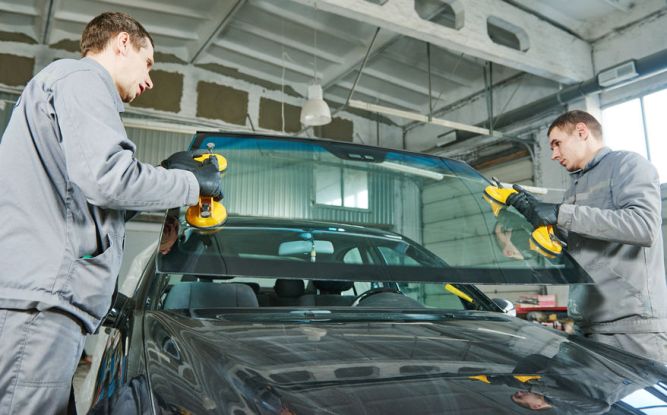
Driving immediately after a windshield replacement may seem tempting. You want to get back on the road quickly. Yet, the windshield needs time to set properly. The adhesive must dry and bond firmly to your car. Ignoring this can cause problems. It affects your safety and the strength of the glass.
Risks Involved
Driving too soon can weaken the bond between glass and frame. This weak bond might cause the windshield to shift or fall out. Sudden braking or accidents become more dangerous. The windshield supports the roof during rollovers. A loose windshield reduces this protection. Water leaks and wind noise may also occur. Your car’s structure depends on a solid windshield.
When It Might Be Safe
Most experts suggest waiting at least one hour. Some adhesives need up to 24 hours to cure fully. The exact time depends on the adhesive type and weather. Warm and dry weather helps adhesives cure faster. Cold or wet conditions slow down the process. Always follow the technician’s advice. They know the product and your car model best. Avoid driving on rough roads or highways initially. This helps the windshield stay firmly in place.
Tips For Aftercare
Taking care of your new windshield is very important after replacement. Proper aftercare helps the adhesive set well and keeps the glass safe. Follow these tips to protect your windshield and avoid damage.
Small actions after replacement make a big difference. Protect the glass to ensure a long-lasting fix.
Avoiding Pressure On The Windshield
Do not push or lean on the windshield for at least 24 hours. Avoid slamming doors hard, as the force can loosen the adhesive. Keep pets and children away from the glass to prevent accidental bumps. Use gentle cleaning methods once the adhesive is fully dry. Pressure can cause cracks or weaken the seal.
Handling Temperature Changes
Extreme temperatures affect the new windshield’s bond. Avoid parking under direct sunlight or near heating vents for the first day. Do not use hot water to clean the glass soon after replacement. Sudden heat or cold may cause the glass to expand or contract. This can lead to cracks or weak adhesive. Let the windshield adjust naturally to the environment.
Signs Your Windshield Is Ready
Knowing when your windshield is ready to drive after replacement is important. The glass must set properly to keep you safe. Signs show the windshield has cured enough to handle the road. Watch closely for these clear indicators.
Visual Checks
Look for any gaps between the glass and the frame. The seal should be even and smooth all around. Check for cracks or chips on the new windshield surface. The adhesive should not be wet or sticky. A dry, firm appearance means it is setting well.
Physical Tests
Lightly press the edges of the windshield with your fingers. It should feel solid and not move under pressure. Avoid slamming doors or hitting bumps near the glass. If the windshield stays firmly in place, it is ready. Gentle tests help confirm the adhesive has bonded well.
What To Do If You Drive Too Soon
Driving too soon after a windshield replacement can cause problems. The adhesive that holds the glass needs time to set fully. If the glass is not secure, it might shift or crack. This section explains what to do if you drive before the recommended wait time.
Potential Damage
Driving before the adhesive cures can weaken the bond. The windshield may not stay in place during sudden stops. Cracks or chips can form more easily. This can lead to costly repairs or even replacement again. Your safety can also be at risk with a loose windshield.
Steps To Take
Check the windshield for any visible cracks or looseness. Avoid rough roads and high speeds. Return to the repair shop as soon as possible. Let the technicians inspect the glass and adhesive. Follow their advice on whether to replace or re-secure the windshield. Drive carefully until the glass is fully set.
Credit: www.centennialautoglass.com
Credit: agdnow.com
Frequently Asked Questions
How Long Should I Wait To Drive After Windshield Replacement?
You should wait at least one hour before driving after a windshield replacement. This allows the adhesive to cure properly for safety and durability.
Why Is Waiting Time Important After Windshield Replacement?
Waiting ensures the adhesive bonds securely. Driving too soon can weaken the seal and cause windshield damage or leaks.
Can I Drive Immediately After Windshield Replacement?
No, driving immediately is unsafe. The adhesive needs time to set to maintain windshield integrity and passenger safety.
What Affects The Waiting Time After Windshield Replacement?
Temperature, humidity, and adhesive type influence curing time. Most professionals recommend a minimum one-hour wait before driving.
Conclusion
Driving after a windshield replacement needs care and patience. The glue must dry fully to keep the glass secure. Usually, waiting at least one hour before driving is best. Avoid sudden bumps or heavy rain during this time. Follow the technician’s advice for safe driving.
Taking these steps helps protect you and your car. Remember, safety always comes first after windshield work. Drive only when the windshield is firmly in place. Your caution keeps everyone safe on the road.
Leave a Reply