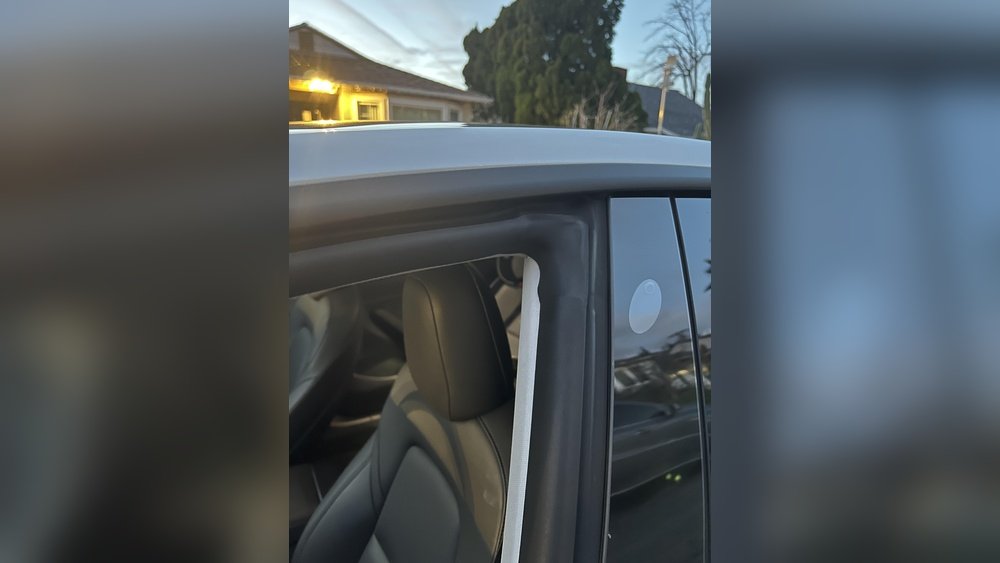
Have you ever noticed an annoying whooshing sound while driving, especially around your car’s side windows? That irritating wind noise can turn a peaceful ride into a frustrating experience.
You might be wondering, can side window glass actually cause this noise? Understanding what’s behind that sound is key to fixing it and enjoying a quieter drive. Keep reading, because you’re about to learn how your side window glass might be the culprit—and what you can do about it.

Credit: www.reddit.com
How Wind Noise Happens
Wind noise in vehicles can be annoying and distracting. It happens when air moves around the car and creates pressure changes. These changes cause sounds that passengers hear inside the vehicle. Understanding how wind noise happens helps to find ways to reduce it.
Airflow Around Vehicles
Air flows over and around a vehicle as it moves. The shape of the car affects how air moves. Smooth shapes help air flow easily, reducing noise. Sharp edges or gaps disturb the airflow. This disturbance causes air to swirl and create noise.
Side windows play a key role in airflow. If a window is not fully closed or has a poor seal, air can leak in. This leak makes a whistling or whooshing sound. The faster the vehicle moves, the louder the noise becomes.
Common Noise Sources
Wind noise often comes from door seals, window gaps, and mirrors. Poorly sealed side windows let air slip inside. Small gaps or cracks increase this effect. Side mirrors also disrupt airflow and cause noise.
Loose or damaged window glass can vibrate. This vibration adds to the wind noise. Dirt or wear on window seals makes them less effective. These common problems increase the chance of wind noise.

Credit: www.youtube.com
Role Of Side Window Glass
Side window glass plays an important role in reducing wind noise inside a vehicle. It acts as a barrier that stops air from rushing into the cabin. When the glass fits well, it keeps the interior quiet and comfortable.
Even small gaps or misalignment in the glass can cause loud wind noise. The condition of the seals around the glass is just as important. These parts work together to block outside noise and protect from weather.
Glass Fit And Seals
Proper glass fit is essential to stop wind noise. The glass should sit tightly in its frame without any space. Loose glass lets air pass through, causing whistling sounds.
Seals around the glass help fill gaps and keep out wind. Over time, seals may crack or shrink. Damaged seals allow air to leak inside, raising noise levels.
Replacing worn seals or adjusting the glass fit can greatly reduce wind noise. Regular checks help maintain a quiet ride.
Window Alignment Issues
Window alignment affects how well the glass fits in its frame. Misaligned windows create gaps that let wind enter the vehicle.
Common causes of misalignment include wear and tear or accidents. Poor alignment also makes the window harder to open or close.
Fixing alignment issues restores the tight fit needed to block wind noise. A well-aligned window improves comfort and safety.
Factors Increasing Wind Noise
Wind noise can make driving uncomfortable and distracting. Several factors related to side window glass can increase this noise. Understanding these factors helps in reducing unwanted sounds inside your vehicle.
Damaged Or Worn Seals
Seals around the side window glass keep air from entering the car. Over time, these seals can crack or wear out. Damaged seals create gaps for wind to pass through. This causes a whistling or whooshing sound while driving. Replacing worn seals can significantly reduce wind noise.
Improper Window Installation
Windows must fit tightly in their frames to block wind. Poor installation leaves small spaces between the glass and frame. These gaps let air leak inside, causing noise. Incorrect installation also affects the window’s ability to stay closed properly. Ensuring a proper fit reduces wind noise and keeps the cabin quiet.
Diagnosing Side Window Noise
Side window glass can cause wind noise if it does not seal properly. Diagnosing this noise helps you find the issue quickly. You can fix it or tell a mechanic exactly what to check. Start by listening carefully and inspecting the window closely.
Listening Techniques
Drive your car at different speeds and listen near the side windows. Notice if the noise changes when windows are up or down. Try to hear if the sound is sharp, like whistling, or more like a rush of air. This helps locate the exact spot where the noise comes from.
Turn off the radio and close all windows. Listen carefully for any wind sounds around the side glass. Pay attention to corners and edges of the window frame. This step can show if the glass or seals cause the noise.
Visual Inspection Tips
Check the window glass for small gaps or cracks along the edges. Look at the rubber seals around the window. See if they are worn, loose, or damaged. These seals stop air from leaking inside the car.
Open and close the window slowly. Watch if it moves smoothly and fits tightly in the frame. Misalignment can cause gaps that let wind noise in. Use a flashlight to see hard-to-check spots. Clean dirt or debris may also cause poor sealing.
Solutions To Reduce Noise
Side window glass can cause wind noise during driving. Fixing this noise improves comfort. Several solutions reduce or stop the noise effectively. These focus on sealing, adjusting, and adding soundproofing around the window.
Seal Replacement
Old or damaged seals let air pass through gaps. Replacing these seals blocks wind from entering. New seals fit tightly around the glass edges. This stops most wind noise near side windows. Check seals for cracks or wear regularly.
Glass Adjustment
Improperly aligned glass causes gaps and noise. Adjusting the glass fits it better in the frame. This reduces air leaks and wind noise. A professional can realign the glass precisely. Proper fit keeps the window snug and quiet.
Additional Soundproofing
Extra soundproofing materials absorb or block noise. Use foam strips or rubber inserts around the window. These materials fill small gaps and soften air flow. Applying soundproofing improves noise reduction significantly. It is a simple way to enhance comfort.

Credit: www.youtube.com
When To Seek Professional Help
Side window glass can cause wind noise in some cases. Small issues might be easy to fix by yourself. Other times, the noise stays or gets worse. That means it is time to get help from a professional. Knowing when to seek professional help can save time and money. It also keeps your drive quiet and safe.
Persistent Noise Problems
Sometimes, wind noise stays after you try to fix it. Persistent noise means the problem is deeper. It might come from a bad seal or damaged glass. Professionals have tools to find hidden problems quickly. They also know how to fix these issues correctly. Do not ignore constant wind noise. It may cause distractions while driving. A professional can stop the noise for good.
Complex Repairs
Some wind noise problems need complex repairs. This includes fixing window seals, frames, or glass alignment. These repairs require special skills and equipment. Trying to fix them alone may cause more damage. Professionals have experience with different car models. They can fix complex issues safely and fast. Trust experts for repairs beyond simple fixes. This ensures your car stays quiet and secure.
Frequently Asked Questions
Can Side Window Glass Cause Wind Noise In Cars?
Yes, side window glass can cause wind noise if it is not properly sealed or aligned. Gaps or misfits allow air to pass through, creating whistling or whooshing sounds during driving.
How Does Window Alignment Affect Wind Noise Levels?
Misaligned windows create uneven gaps that let air leak inside. This air movement causes turbulence and wind noise, especially at high speeds. Proper alignment ensures a tight seal, reducing noise significantly.
Can Damaged Window Seals Increase Wind Noise?
Absolutely, damaged or worn window seals fail to block air effectively. This leads to increased wind noise as air enters through the gaps. Replacing seals can restore a quiet cabin environment.
What Role Does Window Glass Quality Play In Wind Noise?
High-quality window glass fits better and often includes noise-reducing features. Poor-quality or aftermarket glass may not fit perfectly, causing gaps and wind noise. Using OEM glass helps maintain sound insulation.
Conclusion
Side window glass can cause wind noise if it does not fit well. Gaps or cracks let air rush in, making noise. Fixing or replacing the glass can reduce this sound. Seals and weather stripping also help block wind noise.
Keep windows clean and well-maintained for best results. Quiet drives matter, and small changes make a difference. Check your side windows to enjoy a smoother ride.
Leave a Reply