Have you ever noticed a tiny chip on your windshield and wondered if it’s something you should fix right away? That small crack might seem harmless, but if left untreated, it can quickly turn into a costly problem.
Understanding how windshield chip repair works can save you time, money, and stress. You’ll discover the simple steps professionals take to restore your windshield’s strength and clarity. Keep reading to learn how this quick fix protects your safety and keeps your view crystal clear.
Causes Of Windshield Chips
Windshield chips happen for different reasons. Understanding what causes these chips helps prevent damage. Small cracks can turn into big problems fast. Knowing common causes is the first step to protect your windshield.
Common Sources Of Damage
Small rocks and debris on roads often hit windshields. Construction zones have loose gravel that flies up. Other cars can kick up stones during travel. Weather changes like hailstorms cause chips too. Even parking lot accidents or door dings add to damage.
Impact And Stress Factors
Strong impacts create the initial chip on glass. Temperature changes cause glass to expand and contract. This stress makes chips grow into cracks. Rough roads vibrate the glass and add strain. Poor windshield installation can also weaken glass strength.

Credit: allstar-glass.com
Types Of Windshield Chips
Windshield chips come in different shapes and sizes. Each type has unique features. Knowing these types helps you understand how repair works. Some chips are simple, others more complex. Identifying the chip type guides the repair method.
Bullseye And Star Breaks
Bullseye chips look like a circular bullseye mark. They have a dark center with rings around it. Star breaks have lines radiating outward, like a star. Both types are common and usually easy to fix. Repair fills the damaged area, restoring strength.
Cracks And Combination Chips
Cracks are long, thin breaks in the glass. They can spread quickly if untreated. Combination chips have multiple break types in one spot. These can include bullseye and cracks together. Repairing these requires more care and skill.
Inspection Before Repair
Before starting a windshield chip repair, a thorough inspection is essential. This step helps determine the best repair method and ensures the damage is fixed correctly. Proper inspection also prevents further damage and safety risks.
Assessing Chip Size And Location
Technicians examine the chip size carefully. Small chips, usually less than a quarter, are easier to repair. Larger chips may require windshield replacement.
The location of the chip matters too. Chips near the edges or in the driver’s line of sight are more dangerous. These spots may need special attention or different repair options.
Safety Considerations
Safety is a top priority during inspection. The technician checks if the chip affects the windshield’s strength. Cracks that threaten visibility or structure might need replacement.
Clear glass ensures safe driving. A damaged windshield can break easily in an accident. Fixing chips promptly helps keep the glass strong and safe.
Repair Materials And Tools
Windshield chip repair relies on specific materials and tools to restore glass strength and clarity. The right substances and devices fill cracks and prevent further damage. This section explains the key materials and tools used in the repair process.
Resin Types
Resin is the main material used to fill chips and cracks in windshields. It is a clear liquid that hardens under UV light. Different resins suit various chip sizes and types. Some resins cure faster, while others offer better flexibility. The resin must bond well with glass to restore strength. Good resins also improve the glass’s appearance by hiding damage.
Injection Devices
Injection devices push resin deep into cracks and chips. They create pressure to remove air trapped inside damage. This step is crucial because air pockets weaken the repair. Devices vary from simple syringes to advanced machines with vacuum functions. Proper injection ensures resin spreads evenly for a smooth finish. These tools help technicians achieve strong, long-lasting repairs.
Step-by-step Repair Process
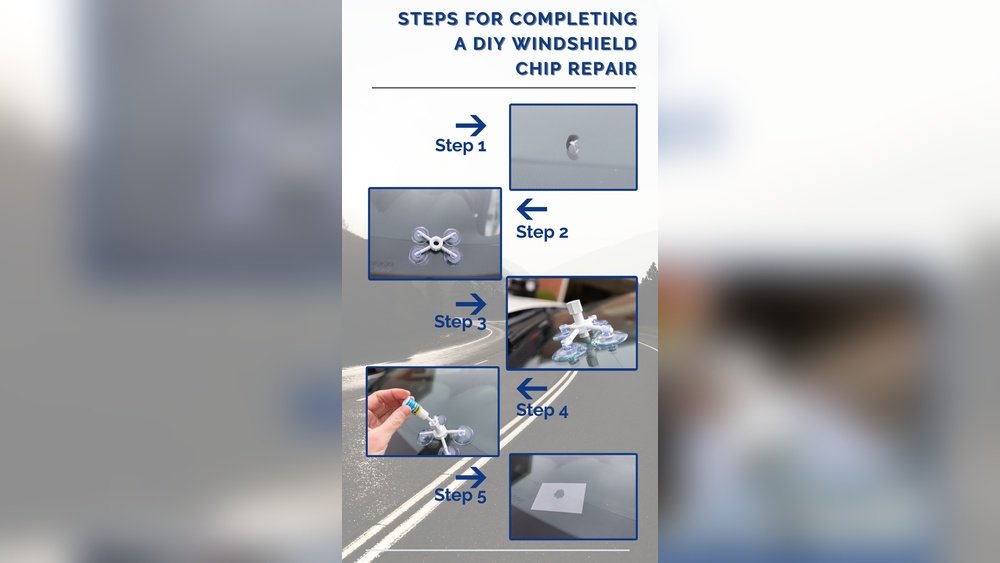
The windshield chip repair process involves clear, careful steps. Each step restores strength and clarity to the glass. This guide explains the main stages. Understanding these steps helps you see how the repair works.
Cleaning The Damaged Area
The technician first cleans the chip carefully. Dust and dirt are removed using a soft brush or air blower. This step ensures the repair material sticks well. A clean surface is key for a strong fix.
Injecting The Resin
Next, a special resin is injected into the chip. This liquid fills cracks and gaps inside the glass. The resin bonds with the glass to prevent spreading. It also improves the glass’s appearance.
Curing And Polishing
After resin injection, ultraviolet light cures the resin. This hardens the material quickly. The technician then polishes the surface for a smooth finish. Polishing removes excess resin and restores clarity.
Benefits Of Quick Repairs
Quick windshield chip repairs offer many important benefits. Acting fast can keep small chips from turning into big cracks. This saves money and time. It also helps keep the glass strong and safe. Understanding these benefits shows why quick repairs matter.
Preventing Crack Expansion
Small chips can grow into large cracks quickly. Heat, cold, and road bumps make cracks worse. Repairing a chip fast stops this spread. The glass stays intact and clear. This keeps your view safe and easy.
Cost And Time Savings
Fixing chips early costs less than full replacements. Repairs take only a short time. You avoid the hassle of removing and installing new glass. Quick fixes save money and let you drive sooner. It is a smart choice for your budget and schedule.
When To Replace Instead
Knowing when to replace your windshield instead of repairing it saves time and ensures safety. Some damages are too severe for repair. Replacing the windshield is the best choice in those cases. Let’s explore signs that mean replacement is necessary.
Irreparable Damage Signs
Large cracks over six inches often need a full replacement. Multiple chips close together weaken the glass structure. Damage near the edges spreads quickly and cannot be fixed well. Deep cracks that reach the inner layer are not repairable. These signs show the windshield’s strength is compromised.
Safety And Visibility Issues
Damage that blocks the driver’s view reduces safety. Repairs may leave distortions that distract or confuse drivers. A cracked windshield may fail to protect passengers in a crash. Clear vision is vital for safe driving. Replace the windshield when damage affects visibility or security.
Credit: www.youtube.com
Diy Repair Kits Vs Professional Service
Windshield chips can be annoying and risky. Fixing them quickly stops cracks from growing. Two main choices exist: DIY repair kits and professional services. Each has benefits and limits. Understanding these helps pick the best method for your situation.
Effectiveness And Risks
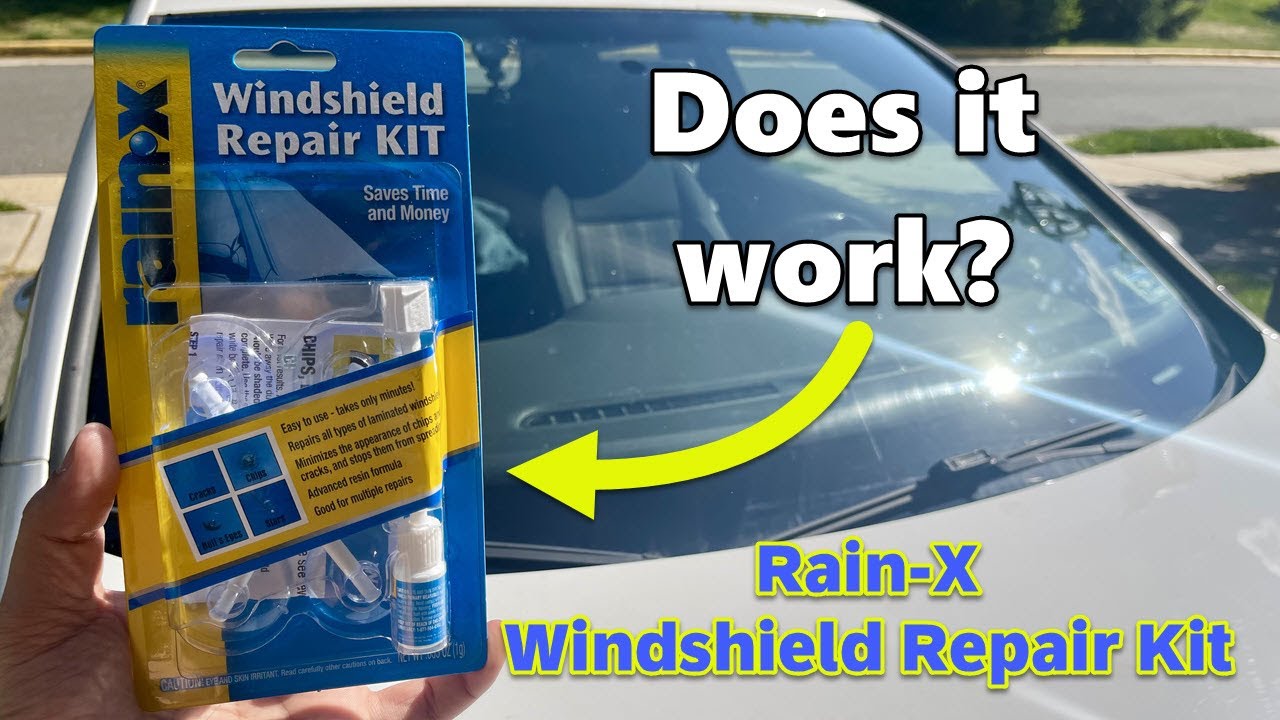
DIY repair kits are easy to buy and use. They work well for small chips and cracks. These kits use resin to fill the damaged area. Resin hardens and hides the chip from view.
Yet, DIY kits have limits. Poor application can cause bubbles or weak repair. This can let cracks spread faster. Kits do not always restore full glass strength. Some chips need more skill or tools.
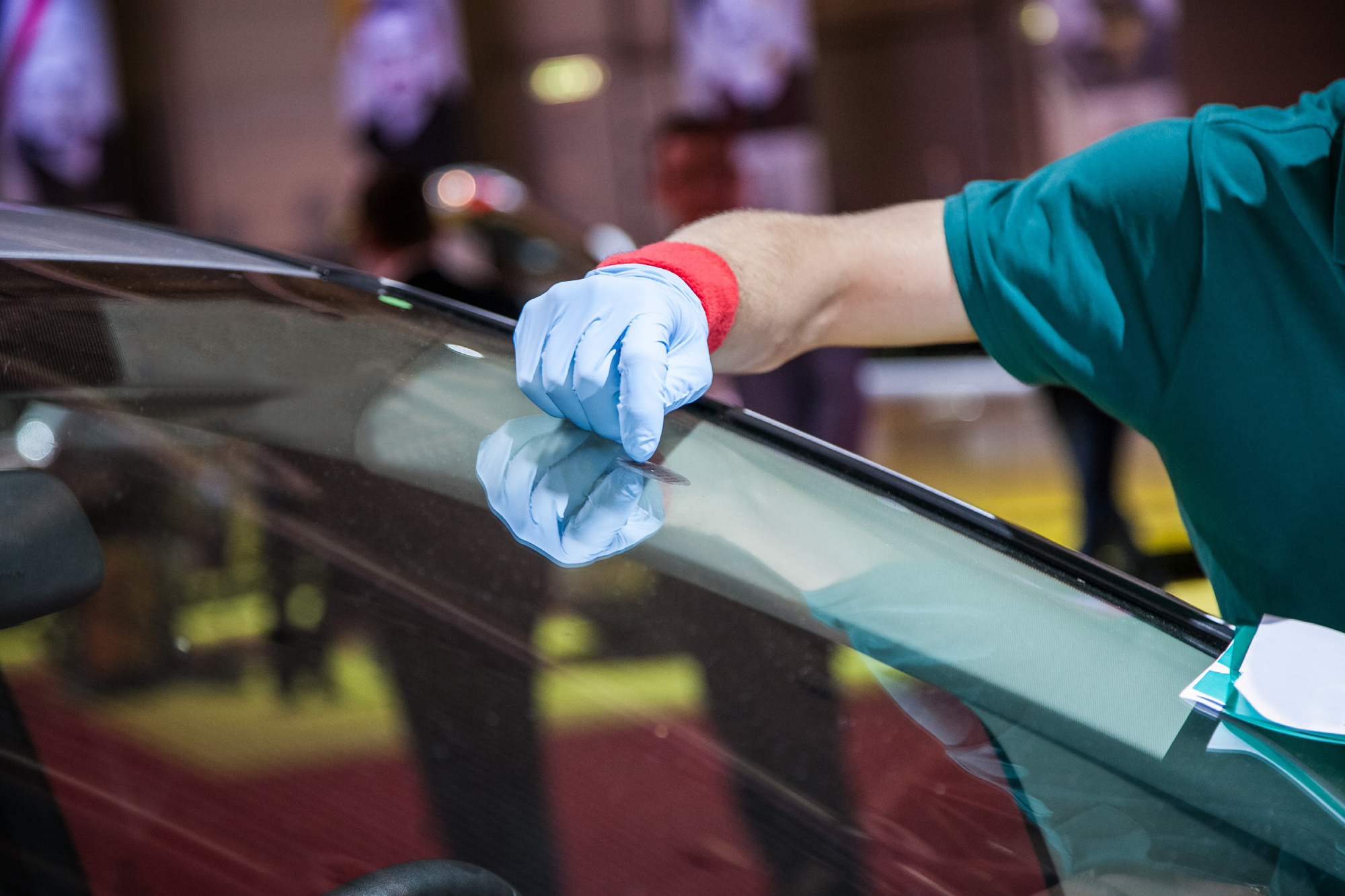
Professional services use special tools and strong resin. Experts clean the chip and inject resin deeply. They remove air and cure the resin with UV light. This process gives a stronger, clearer fix.
Professionals also spot hidden damage. They decide if repair is safe or if glass needs replacement. The risk of poor repair is much lower with pros.
Choosing The Right Option
Pick a DIY kit for small chips less than an inch wide. Clear chips with no cracks around are good candidates. Kits save time and money for minor damage.
Choose professional repair for larger chips or cracks. If damage is near the edge, experts are safer. Professionals ensure lasting repairs and clear visibility.
Severe damage or spreading cracks need glass replacement. A quick visit to a repair shop helps avoid accidents. Professionals also check if damage affects safety features.
Consider your skill level and comfort. DIY kits need patience and steady hands. Professional repairs cost more but reduce risks.
Maintaining Windshield Health
Maintaining windshield health is important for safety and clear vision. Small chips or cracks can grow quickly without care. Taking simple steps helps keep the windshield strong and damage-free. Regular checks and smart habits prevent costly repairs later.
Regular Inspections
Check the windshield often for any chips or cracks. Use good light to see small damages clearly. Early detection stops tiny chips from spreading. Quick action can save the windshield and reduce repair costs. Make it a habit to inspect before long trips.
Protective Measures
Park in shaded areas to avoid extreme heat on the glass. Avoid slamming car doors, which can cause stress on the windshield. Drive carefully on gravel roads to reduce stone impacts. Keep the glass clean to spot damage early. Use sunshades to protect from UV rays and heat.
Credit: blog.glass.net
Frequently Asked Questions
What Causes Windshield Chips To Form?
Windshield chips form from impacts by small debris like rocks or gravel. Sudden temperature changes can also cause tiny cracks that develop into chips.
How Does Windshield Chip Repair Restore Glass?
Repair injects resin into the chip to fill cracks. The resin hardens, restoring strength and preventing further damage or crack spreading.
Is Windshield Chip Repair Better Than Replacement?
Repair is quicker, cheaper, and preserves original glass. Replacement is needed only for large or severely damaged windshields.
How Long Does A Chip Repair Take?
Most windshield chip repairs take about 30 minutes. The process is fast, allowing you to drive safely soon after.
Conclusion
Windshield chip repair stops small cracks from growing larger. It saves money and keeps you safe on the road. The process is quick and uses special resin to fill chips. Clean glass and good tools help the repair work well.
Acting early avoids costly windshield replacement later. Clear visibility means better driving confidence every day. Now you know how windshield chip repair helps protect your car. Small steps can prevent bigger problems ahead.
Leave a Reply