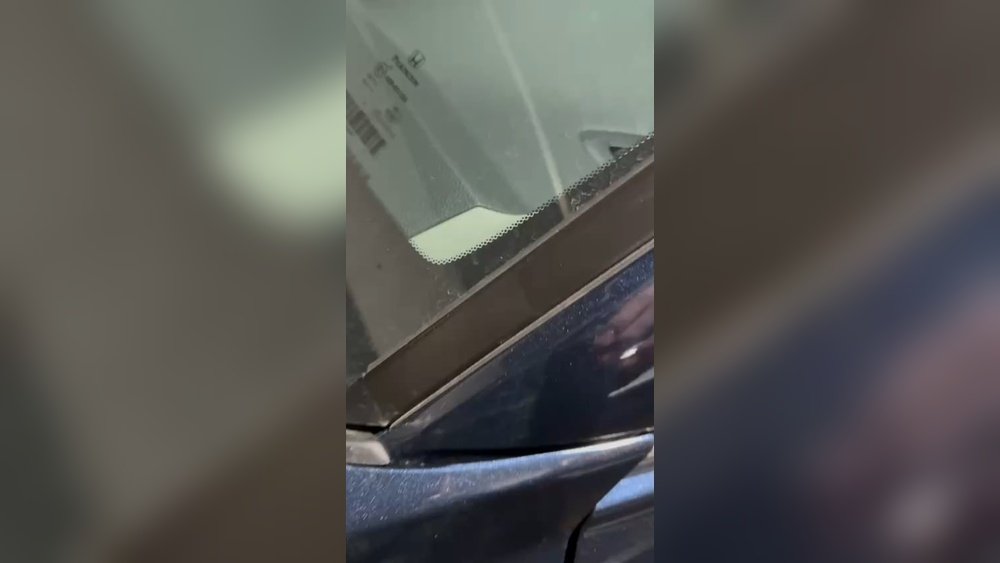
Have you ever noticed a strange whooshing sound while driving and wondered where it’s coming from? If your windshield has a small chip, you might be surprised to learn it could be the cause of that annoying wind noise.
That tiny crack isn’t just a cosmetic issue—it can affect your driving comfort more than you realize. You’ll discover how a windshield chip can lead to wind noise and what you can do to fix it before it becomes a bigger problem.
Keep reading to protect your ride and enjoy a quieter drive.

Credit: www.reddit.com
How Windshield Chips Form
Windshield chips happen when small objects hit the glass surface. These impacts create tiny cracks or pits. Over time, these chips can grow and cause bigger damage. Understanding how these chips form helps prevent further problems, like wind noise.
Even small chips affect the smoothness of the windshield. This rough surface can change how air moves around the glass. That change can lead to unusual wind noise while driving. Knowing the causes and common locations of chips helps keep your windshield clear and quiet.
Common Causes Of Chips
Rocks and debris kicked up by other cars cause most chips. Small stones fly at high speeds and hit the windshield hard. Weather changes also play a role. Sudden temperature shifts make glass more fragile, increasing chip risk. Roadwork areas often have loose gravel, raising the chance of damage.
Locations Prone To Damage
The area behind the hood and near the edges of the windshield are most at risk. These spots face strong air pressure and direct impact from debris. The center of the windshield, though less exposed, can still get chips from larger stones. Corners and edges have thinner glass, making chips more likely there.

Credit: www.reddit.com
Wind Noise Basics
Wind noise can make driving less comfortable. It is the sound air makes as it moves around your car. This noise comes from many places on your vehicle. Understanding wind noise basics helps you know why it happens. It also shows how small car issues, like windshield chips, might add to the problem.
Sources Of Wind Noise
Wind noise mostly comes from gaps and edges on your car. Windows not fully closed or door seals can let air slip in. Roof racks and side mirrors also catch the wind. Even small cracks or chips in the windshield can change air flow. This change can create extra noise while driving. Tires and wheel wells add to the sound, especially at high speeds.
Impact On Driving Experience
Wind noise can make it hard to hear music or talk on the phone. It causes distraction and fatigue during long drives. Constant noise can increase stress and reduce focus. A chipped windshield lets more air pass, raising noise levels inside. Fixing chips and cracks helps keep the cabin quiet. A quieter ride improves comfort and safety on the road.
Link Between Chips And Wind Noise
Small chips on a windshield might seem harmless. Yet, they can change how air flows over the glass. This change can cause wind noise inside the car. Understanding this link helps in noticing and fixing problems early.
Even a tiny chip can disturb smooth airflow. The result is often a whistling or whooshing sound. This noise grows louder with speed and can become very distracting.
How Chips Affect Aerodynamics
Windshields are designed to guide air smoothly. Chips create rough spots that break this flow. Air hits these rough edges and creates turbulence. This turbulence makes noise that drivers can hear inside the car.
Not all chips cause noise. The size, shape, and location matter. Chips near the edges often cause more wind noise. This happens because air pressure changes more at these points.
Case Studies And Reports
Several studies show a clear link between chips and wind noise. Car owners report more noise after getting windshield damage. Experts note that fixing chips reduces or stops the noise.
One report found that chips over 1/4 inch increased wind noise by 30%. Another study showed that repairing chips lowered noise complaints by 50%. These findings stress the importance of quick repairs.

Credit: ieabp.com
Detecting Wind Noise From Chips
Detecting wind noise from windshield chips is important for a smooth drive. Small chips can create gaps that let air slip through. This causes annoying sounds while driving. Knowing how to spot and test these noises helps keep your car quiet and safe.
Signs To Watch For
Listen for whistling or hissing sounds near the windshield. These noises often increase with speed. Notice if the sound is louder on one side of the car. Look closely at the chip. If it has cracks spreading out, it may cause air leaks.
Testing Techniques
Close all windows and doors. Drive at different speeds and pay attention to noise changes. Use a piece of tape over the chip to block air. See if the sound reduces. Another way is to spray soapy water on the chip. Watch for bubbles that show air escaping.
Repairing Chips To Reduce Noise
Chips on your windshield can cause annoying wind noise while driving. Small cracks create gaps where air passes through. Repairing these chips helps seal the windshield surface. This reduces the air flow and lowers noise. Fixing chips also stops them from growing bigger. It keeps your windshield strong and quiet.
Diy Vs Professional Repairs
DIY kits are affordable and easy to use. They work well for very small chips. The kits fill the chip with resin to stop cracks. But they may not fix deep or large damage fully. Professional repairs use special tools and stronger resin. Experts can handle bigger chips and cracks. They ensure the repair is smooth and sealed. Professionals also check if the windshield is safe to use. Choosing the right method depends on chip size and damage.
When To Replace The Windshield
Some chips cannot be fixed with repair. If the damage is large or in the driver’s view, replacement is needed. Cracks that spread quickly also require a new windshield. Replacement restores full strength and clarity. It removes wind noise caused by big gaps. A new windshield gives better safety and comfort. Always inspect your windshield after damage to decide the next step.
Preventing Chips And Noise
Preventing windshield chips helps avoid annoying wind noise. Small chips can grow and change the glass shape. This creates gaps where air sneaks in. Sealing the glass tight stops this noise. Taking steps to protect your windshield is smart. Safe habits lower chip risks and noise problems.
Protective Measures
Use a good windshield cover when parked. This stops debris from hitting the glass. Park in a garage or shaded area. Avoid gravel roads or places with loose stones. Clean your windshield often to spot small chips early. Fix chips quickly to stop cracks from growing. Use quality windshield repair kits or visit a shop.
Safe Driving Habits
Keep a safe distance from other vehicles. Rocks and debris often fly from tires. Slow down on rough or gravel roads. Avoid sudden stops near construction zones. Drive carefully around trucks carrying loose materials. Watch for falling branches or road hazards. These habits reduce windshield damage and wind noise.
Frequently Asked Questions
Can A Windshield Chip Cause Wind Noise?
Yes, a windshield chip can disrupt airflow and create wind noise. The damaged area alters smooth air passage, causing vibrations. This noise may increase with speed and worsen if the chip grows larger.
How Does A Chip Affect Windshield Aerodynamics?
A chip interrupts the windshield’s smooth surface, affecting aerodynamics. Airflow becomes turbulent around the chip, leading to increased wind resistance and noise. This can reduce driving comfort and may signal the need for repair.
Will Repairing A Chip Reduce Wind Noise?
Repairing a chip restores the windshield’s smooth surface, improving aerodynamics. This repair often reduces or eliminates wind noise caused by the chip. Prompt fixing also prevents further damage and maintains driving safety.
Is Wind Noise From A Chip Harmful To Driving?
Wind noise from a chip is mostly an annoyance but can distract drivers. If the chip worsens, it may compromise windshield integrity and visibility. Timely repair improves safety and reduces noise distractions.
Conclusion
A windshield chip can cause wind noise while driving. Small cracks change how air flows over the glass. This can lead to annoying sounds inside your car. Fixing chips quickly helps keep your ride quiet and safe. Regular windshield checks catch problems early.
Quiet drives feel more comfortable and less distracting. Don’t ignore chips, as they may grow worse over time. Taking care of your windshield keeps noise low and visibility clear. Simple steps can make a big difference in your driving experience.
Leave a Reply