Have you ever noticed a crack spreading across your windshield and wondered, “Is this really just a cosmetic problem, or could it affect my driving?” Your windshield is more than just a barrier against the wind and rain—it’s your clear window to the road ahead. Even a small crack can change the way you see, making your drives less safe without you even realizing it.
You’ll discover how a cracked windshield can impact your visibility and why ignoring it could put you in danger. Keep reading to protect yourself and everyone on the road.
Credit: www.glassfixitauto.com
Impact Of Cracks On Vision
Cracks on a windshield can change how well you see the road. Even small cracks can catch light and cause glare. This glare makes it harder to focus on driving. The cracks can distract your eyes and reduce your attention.
Some cracks blur parts of the view. Others create shadows or distortions. These effects make driving unsafe. Understanding the type and size of cracks helps know their impact on vision.
Types Of Windshield Cracks
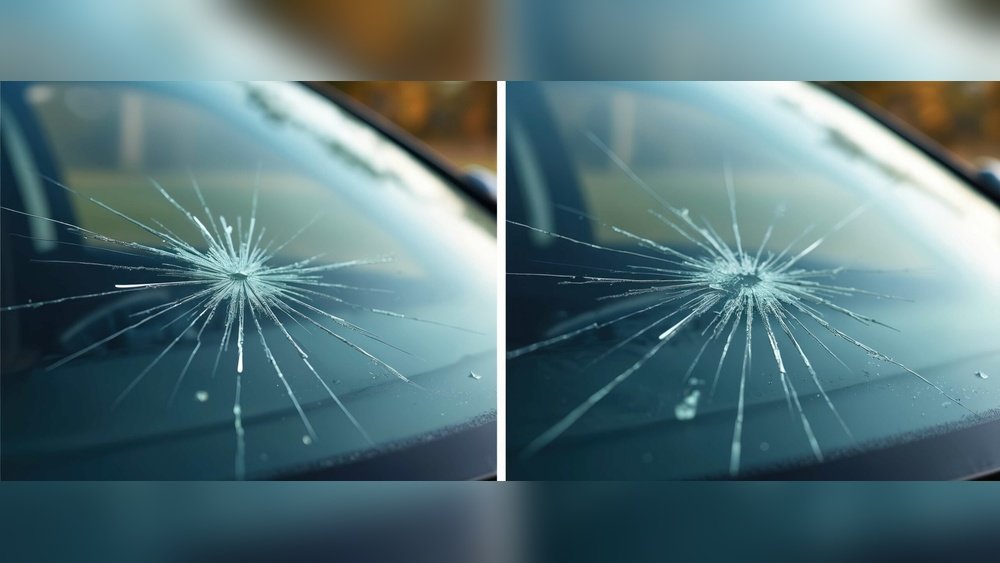
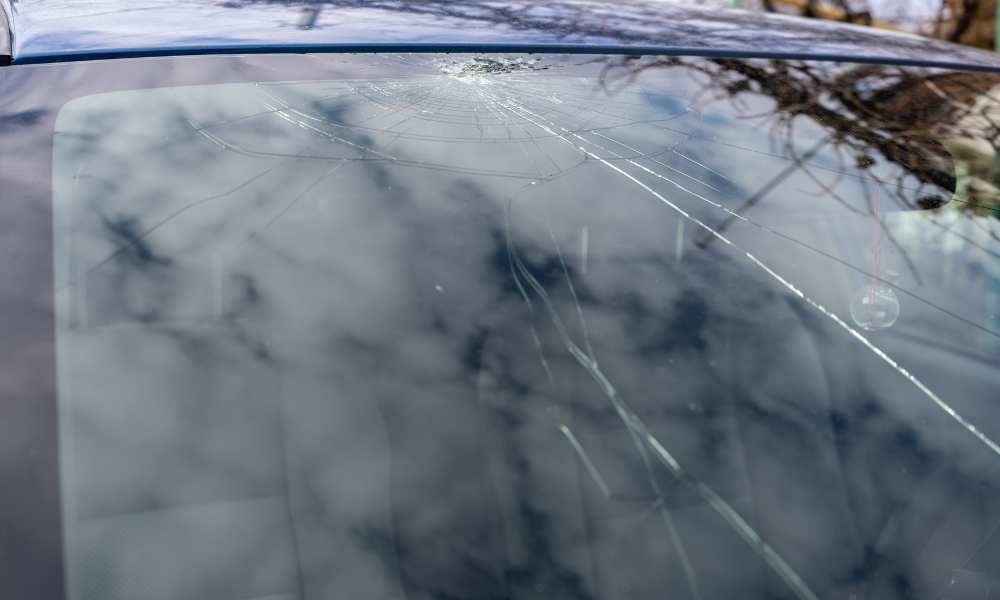
Windshield cracks come in different shapes. Common types include chips, bulls-eyes, star breaks, and long cracks. Chips are small and round. Bulls-eyes look like a target with a dark center. Star breaks have lines spreading out like a star. Long cracks stretch across the glass.
Each type affects vision differently. Some cracks stay small. Others grow quickly and block more sight.
How Cracks Distort View
Cracks bend and scatter light passing through the glass. This bending creates blurry or doubled images. It can confuse your eyes and slow reaction time. Some cracks cause reflections that distract the driver. The distortion varies with crack depth and shape.
Small cracks may not change vision much. Larger or deep cracks create more distortion and glare.
Crack Size And Location Effects
Big cracks block more of the windshield and reduce clear sight. Cracks near the driver’s line of sight are the most dangerous. They hide important details like traffic signs and pedestrians. Cracks at the edges may not affect vision but can weaken the glass.
Even small cracks in the center can cause serious vision problems. Size and position both matter for safe driving.
Safety Risks Linked To Cracked Glass
Cracked glass on a windshield poses serious safety risks. It affects how well drivers see the road and react to danger. Small cracks can turn into bigger problems quickly. Understanding these risks helps drivers make smart decisions about repairs.
Reduced Driver Reaction Time
Cracks block part of the driver’s view. This makes spotting hazards harder and slower. Quick reactions are vital to avoid accidents. Even a tiny crack can slow response by distracting the eyes.
Increased Glare And Distractions
Cracks cause light to bend strangely. Sunlight or headlights create glare that blinds drivers. This glare can cause eye strain and confusion. Drivers may lose focus because of these distractions.
Potential For Shattered Windshield
Cracks weaken the windshield’s structure. A small impact can cause the glass to shatter. Shattered glass risks injury inside the car. It also leaves drivers exposed to road debris and weather.
Legal Regulations And Guidelines
Legal rules about cracked windshields protect drivers and passengers. These laws help keep roads safe. They say when and how you must fix windshield damage. Understanding these rules helps avoid trouble with the law.
Laws On Windshield Damage
Many states have clear laws about windshield cracks. Some forbid driving with any crack in the driver’s view. Others allow small cracks outside the driver’s sight. Laws vary, but safety is always the main goal.
Inspection And Repair Requirements
Vehicles often must pass safety inspections. Inspectors check windshields for cracks and chips. If damage is too large, repairs or replacements are required. Fixing cracks early prevents bigger problems later.
Penalties For Ignoring Cracks
Ignoring windshield cracks can lead to fines. Police can stop drivers for unsafe windshields. Some areas give tickets or require repairs within days. Following rules avoids penalties and keeps you safe.

Credit: www.windshieldexperts.com
Repair And Replacement Options
Cracks on a windshield can blur your view and create safety risks. Choosing the right fix is key to clear vision and safe driving. Knowing repair and replacement options helps you act fast and smart.
When To Repair Vs Replace
Small chips or cracks under six inches often get repaired. Repairs stop cracks from spreading and restore strength. Large cracks, deep damage, or cracks near edges need replacement. Replacing keeps your windshield strong and clear.
Cost And Time Considerations
Repair costs less and takes about 30 minutes. Replacement costs more and can take a few hours. Insurance may cover repair or replacement costs. Quick repairs save money and avoid bigger problems later.
Professional Vs Diy Solutions
Professionals use special tools and resins for repairs. Their work lasts longer and looks better. DIY kits are cheaper but may not fully fix damage. For big cracks, professional replacement is safest and best.
Preventive Measures And Maintenance
Preventive measures and regular maintenance help keep your windshield clear and safe. Small cracks can grow and block your view. Taking care of your windshield avoids costly repairs and driving risks.
Avoiding Windshield Damage
Park your car in shaded or covered areas. This protects the glass from extreme heat and cold. Avoid parking under trees where falling branches or debris can hit your windshield. Use a windshield cover during bad weather. Replace worn-out wipers to prevent scratches.
Regular Inspection Tips
Check your windshield often for small chips or cracks. Use good lighting to spot tiny damage. Clean the glass with gentle, non-abrasive cleaners. Look for any dirt or grime that can hide cracks. Fix small cracks quickly to stop them from growing.
Safe Driving Practices
Keep a safe distance from other vehicles, especially trucks. Stones can fly up from tires and hit your windshield. Drive carefully on gravel roads or construction zones. Slow down to reduce the chance of debris hitting your glass. Avoid sudden stops that can cause stress on the windshield.

Credit: www.uniautoglasshouston.com
Frequently Asked Questions
Does A Cracked Windshield Reduce Driving Visibility?
Yes, cracks distort light and blur vision. They create glare and reflections, especially at night. This reduces clarity and driver safety.
Can Small Cracks Worsen And Impact Visibility?
Small cracks can expand due to temperature changes and road vibrations. Over time, they grow and further impair clear sight while driving.
Is It Safe To Drive With A Cracked Windshield?
Driving with a cracked windshield is risky. The crack can obstruct your view and weaken the glass, increasing accident chances.
How Does A Cracked Windshield Affect Nighttime Driving?
Cracks cause light to scatter, creating glare from headlights. This makes it harder to see road details and increases eye strain.
Conclusion
A cracked windshield can block your clear view of the road. Even small cracks may cause glare or distort what you see. This can make driving unsafe, especially at night or in bad weather. Fixing or replacing the windshield quickly helps keep you safe.
Don’t wait for the crack to get bigger. Clear vision matters for your safety and others on the road. Stay alert, and keep your windshield in good shape.
Leave a Reply