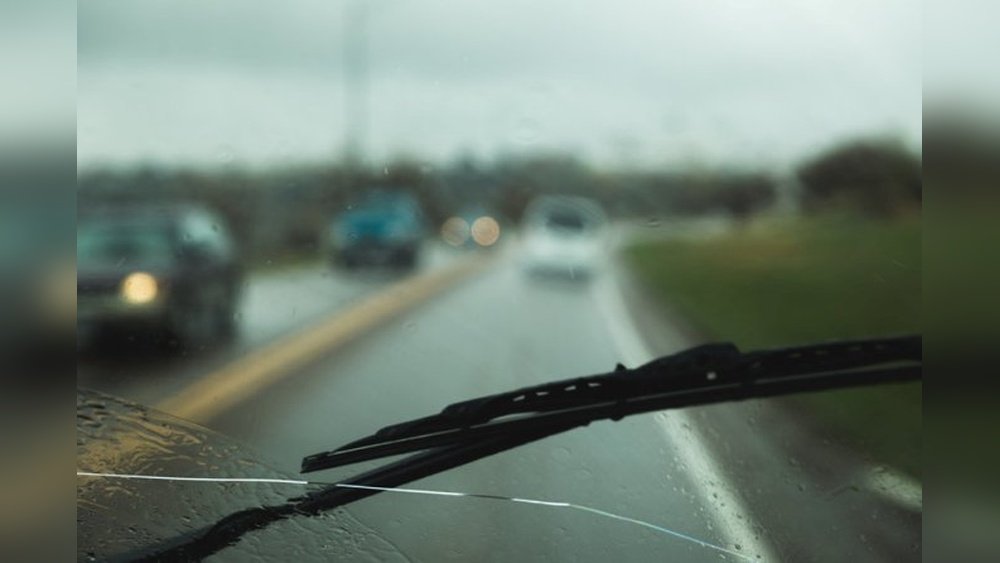
Have you ever noticed a tiny crack on your windshield and hoped it would just stay that way? You’re not alone.
Many people wonder if a windshield crack can stop spreading on its own or if it’s only a matter of time before it gets worse. The truth is, understanding how cracks behave can save you money and stress. You’ll learn what causes cracks to grow, when they might stay put, and what you should do to protect your safety and your wallet.
Keep reading—your windshield’s future depends on it.
How Windshield Cracks Form
Windshield cracks start small but can grow quickly. They appear because of stress on the glass. This stress causes tiny breaks in the glass surface. The breaks spread as the glass moves or changes temperature. Understanding how cracks form helps prevent bigger damage.
Different factors cause the glass to weaken. The type of damage also affects how fast cracks spread. Knowing these details helps decide if a crack can stop on its own or needs repair.
Common Causes Of Cracks
Flying rocks or debris hit the windshield during driving. This impact creates small chips that can turn into cracks. Sudden temperature changes also stress the glass. For example, pouring hot water on a cold windshield can cause cracks. Car accidents or bumps put pressure on the glass. Even old age and sun damage make the glass brittle and easy to crack.
Types Of Windshield Damage
There are several types of windshield damage. A chip is a small, round break caused by stones. A crack is a line that can be short or long. Stress cracks appear without an impact and often start at the edge. Star breaks have lines that spread out like a star. Each type affects the glass differently and may spread at different speeds.

Credit: www.reddit.com
Factors Affecting Crack Spread
Several factors influence whether a windshield crack will stop spreading on its own. Understanding these elements helps predict the crack’s behavior. Some cracks may stay small, while others grow quickly. The environment around the car plays a big role. Below are key factors that affect crack spread.
Temperature Changes
Temperature shifts cause glass to expand and contract. This movement stresses the crack edges. Hot weather makes glass expand, cold weather makes it shrink. Rapid changes, like going from heat to cold, worsen cracks. Constant temperature swings often make cracks grow faster.
Road Vibrations
Driving on rough roads shakes the car and windshield. These vibrations push and pull the crack edges. Strong bumps and potholes increase stress on the glass. Frequent vibrations can cause a small crack to widen or lengthen. Smooth roads reduce the chance of spreading.
Moisture Impact
Water can seep into the crack, especially after rain or washing. Moisture weakens the glass structure near the crack. Freezing water expands and forces the crack to grow. Moisture also promotes dirt buildup, making the crack worse. Keeping the windshield dry slows crack spread.
Can Cracks Stop Growing Naturally?
Windshield cracks can be a real worry for drivers. The big question is whether these cracks can stop growing on their own. Understanding this helps you decide the next steps for your car’s safety. Cracks don’t always grow, but it depends on many things. Let’s explore when cracks might stabilize and their limits.
Instances Of Crack Stabilization
Sometimes, cracks stop spreading naturally. Small cracks in calm weather often stay the same size. If the crack is on a cooler day and the car stays still, it may not grow. Some cracks form in tough glass layers that resist breaking further. Cracks near the edge of the windshield sometimes stop if no pressure is added.
Stable cracks usually happen when there are no strong impacts or temperature changes. Mild driving and good road conditions help keep cracks from growing. Some car owners notice cracks stay the same for weeks or months.
Limitations Of Self-stopping Cracks
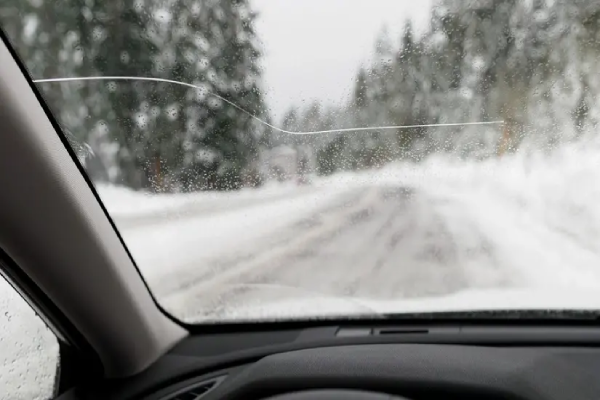
Cracks rarely stop growing by themselves for long. Most cracks spread with heat, cold, or bumps. Driving on rough roads or hitting potholes can make cracks worse quickly. Temperature changes cause the glass to expand and contract, pushing cracks to grow.
Windshield cracks weaken the glass structure. Even small cracks can suddenly spread under pressure. Waiting for cracks to stop can risk safety. Cracks also reduce visibility and can fail vehicle inspections. Repair or replacement is often the safest choice.
Credit: glassdoctor.com
Risks Of Ignoring Windshield Cracks
Ignoring windshield cracks can lead to serious problems. A small crack may seem harmless at first. But over time, it can grow and cause bigger issues. Understanding the risks helps you make better decisions about repairs.
Safety Concerns
A cracked windshield weakens the glass. It may shatter during a minor accident. Cracks reduce visibility and cause distractions. This raises the chance of a crash. Protect yourself and passengers by fixing cracks early.
Legal Implications
Many places have laws about windshield damage. Driving with a cracked windshield can lead to fines. Police may stop you for poor vehicle condition. Insurance claims might get denied after accidents. Follow rules to avoid legal trouble.
Cost Of Delayed Repairs
Small cracks are cheaper to fix than large ones. Waiting lets the crack spread across the glass. A full windshield replacement costs much more. Repair services often cover minor cracks quickly. Save money by acting before damage worsens.
Preventing Crack Expansion
Cracks on a windshield can grow quickly. Preventing these cracks from expanding is important. Small cracks might seem harmless but can turn into big problems fast. Taking steps early helps keep the damage small and safe to drive.
Temporary Fixes
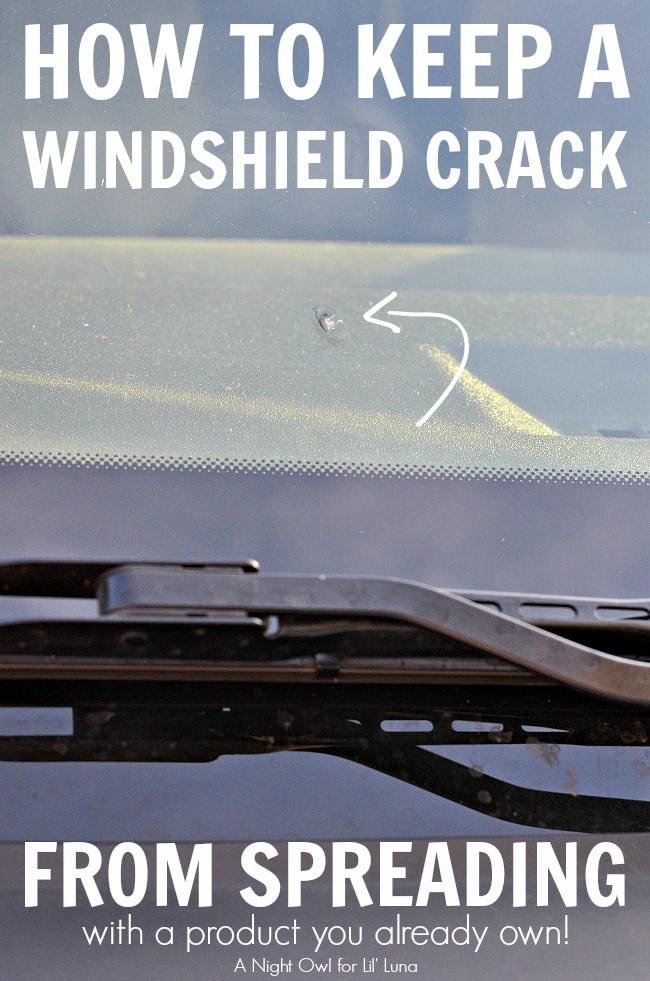
Cover the crack with clear tape to stop dirt and moisture. Dirt can make the crack worse. Avoid washing your car or using strong sprays on the windshield. Parking in the shade helps reduce heat stress on the glass. Drive carefully to avoid bumps that can enlarge the crack.
Proper Maintenance Tips
Check your windshield often for new cracks or chips. Use a soft cloth to clean gently. Avoid sudden temperature changes like pouring hot water on frozen glass. Fix small cracks quickly by visiting a repair shop. A repaired crack is less likely to spread and saves money.
When To Repair Or Replace
Deciding when to repair or replace a cracked windshield is crucial for safety. Small cracks may seem harmless but can quickly grow. Knowing the right time to take action helps avoid bigger problems. It also saves money and keeps you safe on the road.
Signs You Need Professional Help
Look for cracks longer than six inches or near the edges of the windshield. If the crack distorts your view, it is dangerous. Chips larger than a quarter also need attention. Cracks that spread rapidly or appear after an accident require expert care. Sudden temperature changes causing crack growth need quick repair.
Repair Vs Replacement Criteria
Small chips or cracks less than six inches can often be repaired. Repairs are cheaper and faster. Cracks near the edge usually mean replacement is safer. Deep cracks that reach both sides of the glass need new windshields. Multiple cracks or old damage often call for replacement. Always choose the option that keeps your windshield strong and clear.
Credit: letsdiyitall.com
Frequently Asked Questions
Can A Windshield Crack Stop Spreading Naturally?
No, windshield cracks rarely stop spreading on their own. Temperature changes and road vibrations usually cause cracks to worsen over time.
How Long Can A Windshield Crack Remain Stable?
A crack can stay stable for days or weeks but may suddenly spread due to stress or impacts. Timely repair is advisable.
Does Cold Weather Prevent Windshield Cracks From Growing?
Cold weather can temporarily slow crack growth by contracting glass. However, cracks often expand when temperatures rise or if the glass is stressed.
Can Driving Habits Affect Crack Spreading?
Yes, rough roads, sudden stops, and sharp turns increase stress on cracks, causing them to spread faster. Smooth driving can help delay damage.
Conclusion
A windshield crack rarely stops spreading on its own. Temperature changes and road bumps make cracks grow. Small cracks can turn into big problems fast. Repairing early saves money and keeps you safe. Watch your windshield closely for any new cracks.
Fixing cracks quickly helps avoid full windshield replacement. Don’t wait until the damage gets worse. Taking care of cracks helps keep your car strong and safe.
Leave a Reply