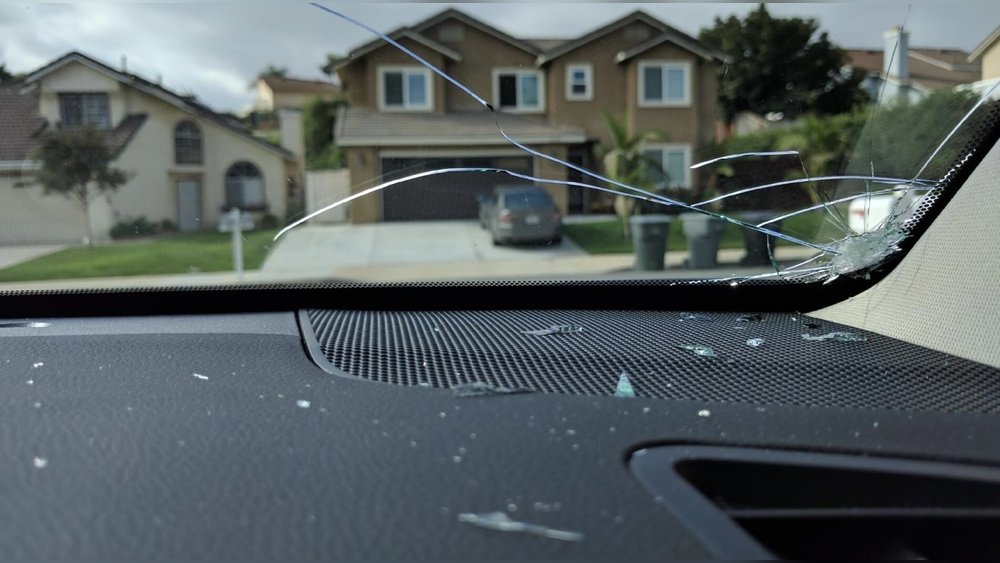
Is that crack on your windshield causing you worry? You might be wondering, “Can a cracked windshield fail inspection?” This question is more important than you think.
Your car’s safety and legal compliance depend on passing inspection, and even a small crack could make a big difference. Keep reading to find out how that crack affects your inspection, what the rules really say, and what you should do next to keep your car road-ready.
Don’t risk a failed inspection or unsafe driving—know the facts now.
Inspection Criteria For Windshields
Windshield inspections check for damage that affects safety. Inspectors look at cracks, chips, and the glass’s overall condition. The goal is to ensure clear vision and strong protection for drivers and passengers. Knowing the inspection criteria helps drivers keep their vehicles roadworthy.
Legal Standards For Vehicle Glass
Every state sets rules for vehicle glass quality. These rules decide how big or where cracks can be. Usually, cracks in the driver’s line of sight cause failure. The glass must be free from damage that blocks clear vision. Also, the glass should hold strong in case of an accident.
Common Causes For Inspection Failure
Cracks longer than a few inches often fail inspections. Chips in the center of the windshield are risky. Damage that spreads or has sharp edges also causes failure. Scratches or cloudiness that blur vision can lead to a fail. Loose or improperly fixed glass is unsafe and may fail too.
Types Of Cracks And Their Impact
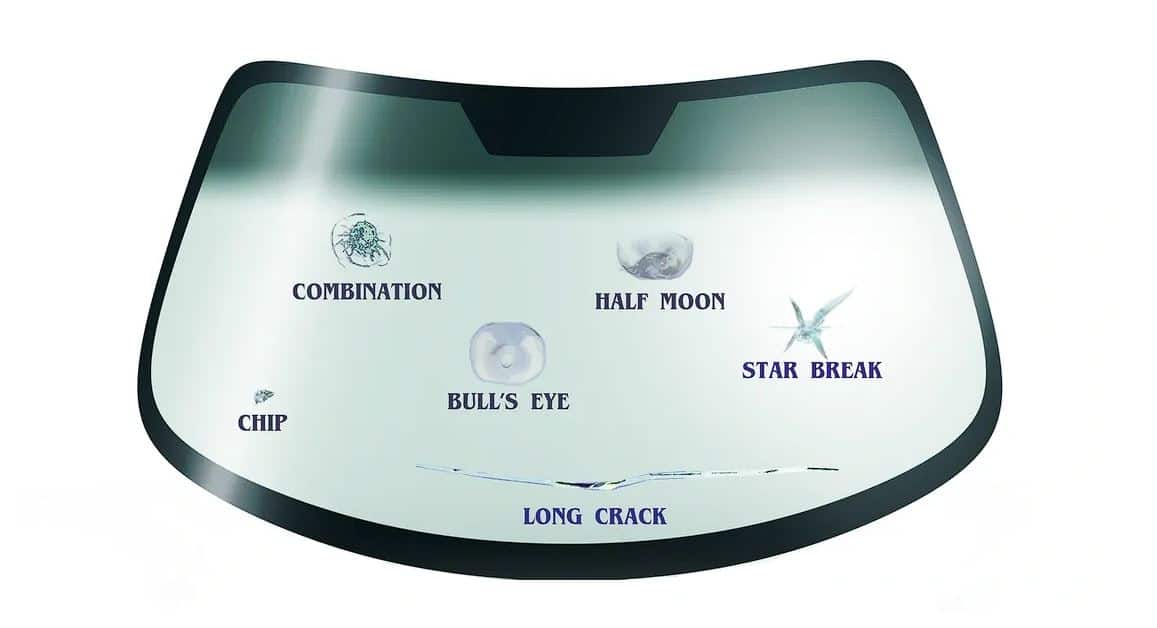
Cracks in a windshield come in many forms. Each type affects vehicle safety and inspection differently. Understanding these cracks helps you know if your windshield will pass inspection. Some cracks are minor, while others are serious. The size and position of the crack play a big role in this.
Small Chips Vs. Large Cracks
Small chips are tiny marks, usually caused by stones. They often do not spread quickly. Most states allow small chips if they do not block the driver’s view. Large cracks are long breaks that run across the glass. These cracks weaken the windshield and are harder to fix. Large cracks usually fail inspection because they reduce visibility and safety.
Location Of Damage Matters
Damage near the edges is more dangerous. It can cause the windshield to break apart easily. Cracks in the driver’s line of sight are also a problem. They make it hard to see the road clearly. These types of cracks often lead to inspection failure. Cracks in less critical areas may pass if they are small and not growing.
Safety Concerns With Cracked Windshields
Cracked windshields cause serious safety issues on the road. Small cracks can grow and create big problems. Drivers may not notice how these cracks affect their safety until it is too late. Understanding the risks helps keep everyone safer.
Visibility Impairment
Cracks block the driver’s clear view of the road. Light can scatter through cracks, causing glare. This glare can distract and confuse drivers. Rain and dirt gather more easily on cracked areas. These factors reduce the ability to see clearly, especially at night or in bad weather. A clear windshield is vital for safe driving.
Structural Integrity Risks
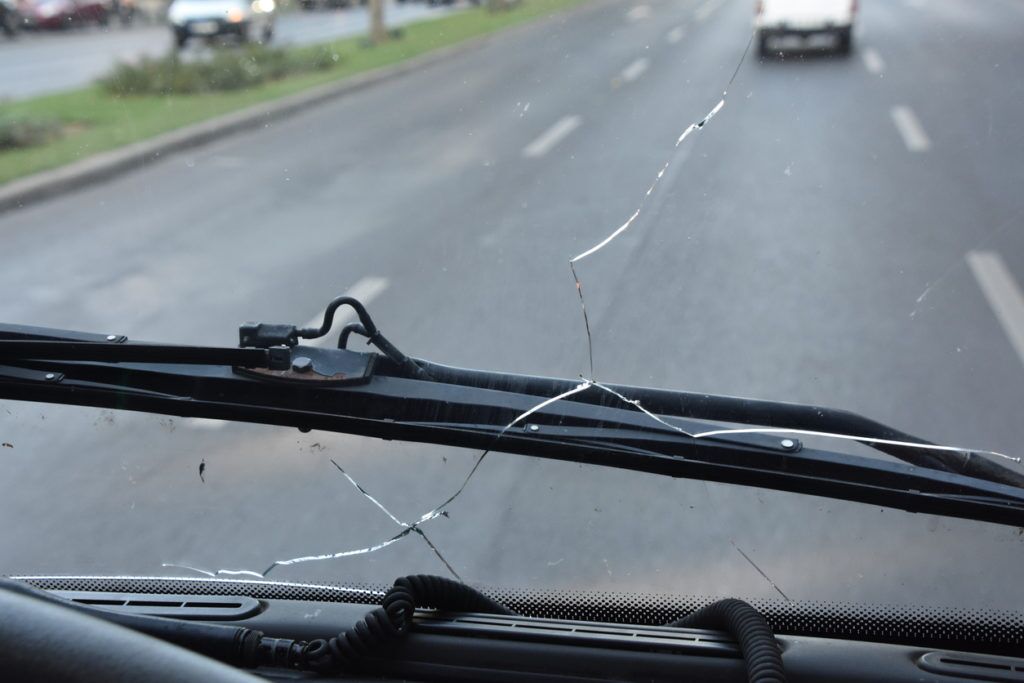
The windshield supports the roof during a crash or rollover. Cracks weaken this support and make the windshield less stable. In a collision, a cracked windshield may break more easily. This can increase the risk of injury from flying glass. The windshield also works with airbags to protect passengers. A damaged windshield may not hold up well enough to keep passengers safe.
Credit: vatire.com
Repair Or Replace: What Inspectors Prefer
Cracked windshields raise questions during vehicle inspections. Inspectors focus on safety and visibility. They decide if a repair is enough or a full replacement is needed. Understanding their preference helps vehicle owners prepare better. It also helps avoid failing inspections due to windshield damage.
When Repairs Are Acceptable
Small cracks or chips often qualify for repair. These must be less than six inches long. The damage should not be in the driver’s direct line of sight. Repairs restore strength and clarity to the glass. Inspectors accept repairs that do not weaken the windshield. Proper repair stops cracks from growing larger.
Criteria For Full Replacement
Large cracks or multiple chips require full replacement. Damage over six inches in length often fails inspection. Cracks in the driver’s view area always need replacement. Windshield edges with chips also need full glass change. Inspectors look for any damage that affects safety. Replacement restores the windshield’s full protective function.
Tips To Pass Inspection With Windshield Damage
Passing a vehicle inspection with a cracked windshield can be tricky. The damage might block your view or weaken the glass. Knowing how to handle this damage helps you avoid failing the test. Simple steps can improve your chances of passing despite the crack.
Temporary Fixes And Their Limits
Clear tape can cover small cracks to stop dirt and moisture. This keeps the crack from growing quickly. Use a windshield repair kit to fill tiny chips. These kits can improve visibility and prevent spreading. Such fixes only work for minor damage. Large cracks or damage in the driver’s line of sight need more care. Temporary fixes do not make the glass stronger. The crack can still worsen and cause failure in inspection.
Professional Repair Options
Experts can fix cracks with special resin injection. This process restores strength and makes damage less visible. Repairs work best on cracks smaller than a dollar bill. For bigger cracks, windshield replacement is safer. Professionals ensure the glass meets safety rules. Their work improves driving safety and helps pass inspections. Getting expert help is often the best choice for cracked windshields.

Credit: www.youtube.com
State-by-state Variations In Regulations
Vehicle inspection rules differ widely across the United States. Each state sets its own standards for windshield condition during safety checks. Some states reject cars with any windshield damage. Others allow minor cracks or chips without issue.
This variation affects drivers who move between states or travel. Knowing local laws helps avoid failing inspections due to a cracked windshield. Understanding these differences makes vehicle maintenance simpler.
Strict Vs. Lenient States
Strict states tend to have zero tolerance for windshield cracks. Even small chips near the driver’s view can cause a fail. Examples include New York and California, where safety is heavily enforced.
Lenient states allow minor cracks if they don’t affect visibility. Texas and Florida often pass vehicles with small chips. These rules aim to reduce repair costs for drivers.
How To Check Local Requirements
Start by visiting your state’s Department of Motor Vehicles website. They usually post inspection guidelines online. Search for windshield or glass safety rules specifically.
Contact local inspection stations for direct information. They can explain what damage leads to failure. This helps prepare your vehicle before inspection day.
Knowing your state’s rules saves time and money. Fix windshield cracks early if your state is strict. Stay informed to keep your car road-ready.
Credit: www.magicwindshield.com
Frequently Asked Questions
Can A Cracked Windshield Cause Inspection Failure?
Yes, a cracked windshield can cause inspection failure. Cracks that impair the driver’s view or are larger than legal limits usually fail inspections.
How Big Can A Windshield Crack Be To Pass Inspection?
Cracks smaller than a quarter and away from the driver’s direct view often pass inspection. Larger or obstructive cracks usually fail.
Does Location Of The Crack Affect Inspection Results?
Yes, cracks in the driver’s direct line of sight or near sensors often lead to inspection failure.
Can Minor Chips Be Repaired Without Failing Inspection?
Minor chips can be repaired and usually do not cause inspection failure if done promptly and properly.
Conclusion
A cracked windshield can cause your car to fail inspection. Small cracks might be okay, but big or spreading ones are not. The crack’s location also matters for safety checks. Fixing or replacing the windshield before inspection saves time and money.
Stay safe on the road by keeping your windshield in good shape. Regular checks help catch cracks early. Don’t wait until inspection day to deal with damage. Clear glass means a clear view and better driving safety.
Leave a Reply