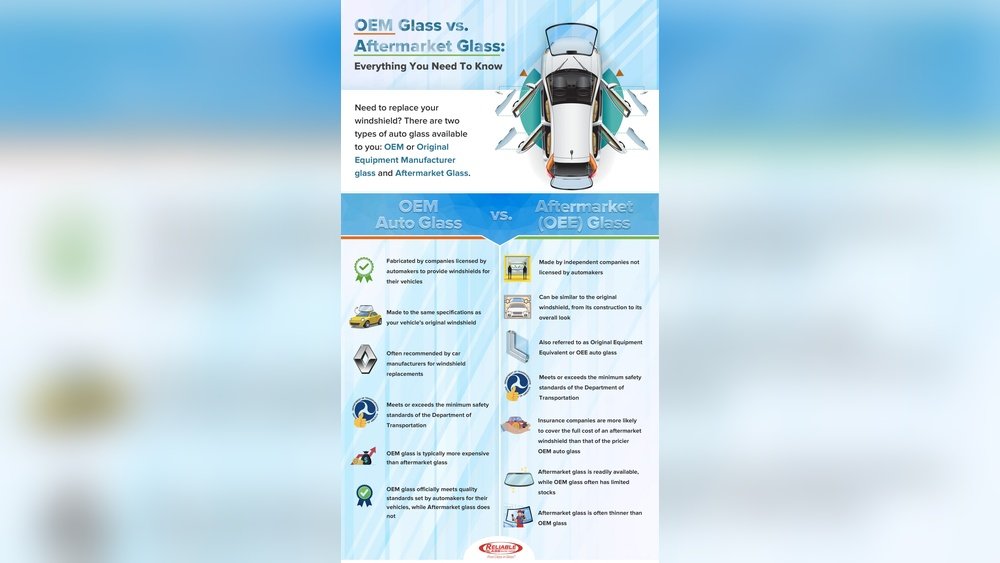
When your windshield needs replacing, you might wonder: Is an OEM windshield better than an aftermarket one? This decision can affect your safety, your car’s look, and even your wallet.
You want the best choice for your vehicle, but the options can be confusing. You’ll discover the key differences between OEM and aftermarket windshields. By the end, you’ll feel confident making the right choice—one that keeps you safe and saves you money.
Keep reading to find out what really matters when replacing your windshield.

Credit: www.reddit.com
Oem Vs Aftermarket Windshields
Choosing between OEM and aftermarket windshields can affect your vehicle’s safety and look. Both types serve the same purpose but differ in key ways. Understanding these differences helps you pick the best option for your car.
What Sets Them Apart
OEM windshields are made by the car’s original manufacturer. They match the exact design and fit of the first glass. Aftermarket windshields come from third-party companies. Their designs may vary slightly to fit many car models. This can affect how well they fit your vehicle.
Manufacturing Standards
OEM windshields follow strict guidelines set by car makers. These rules ensure safety and quality. Aftermarket glass must meet general safety rules but may not match OEM’s exact standards. This difference can impact durability and performance.
Material Quality
OEM windshields use high-grade materials chosen for your specific car. They often include better glass and adhesives. Aftermarket windshields may use lower-cost materials to reduce price. This may affect clarity, strength, and longevity of the glass.
Credit: www.subarupartsplus.com
Performance And Safety
Performance and safety are critical factors when choosing between OEM and aftermarket windshields. The windshield protects passengers and supports the vehicle’s structure. Choosing the right type affects how well the glass performs in crashes and daily use. This section explains how OEM and aftermarket windshields compare in impact resistance, visibility, and fit quality.
Impact Resistance
OEM windshields meet strict safety standards set by car makers. They use high-quality glass designed to absorb impact well. This helps reduce injury risk during accidents. Aftermarket windshields sometimes use lower-grade materials. They may not handle impacts as effectively. Poor impact resistance can lead to cracks or shattering more easily.
Visibility And Clarity
Clear vision is essential for safe driving. OEM glass offers excellent optical clarity. It reduces glare and distortion, helping drivers see better. Aftermarket windshields can vary in quality. Some have slight visual imperfections or tint differences. These flaws can strain the eyes and reduce focus on the road.
Fit And Seal Integrity
OEM windshields fit precisely into the vehicle frame. This ensures a tight seal against water and air leaks. A good seal also supports airbags during collisions. Aftermarket glass may not fit perfectly. Gaps or weak seals can cause leaks and noise. Poor fit may also weaken structural safety in crashes.
Cost Considerations
Cost plays a big role when choosing between an OEM windshield and an aftermarket one. It is important to know what you pay for now and later. The total cost includes the initial price, how long it lasts, and any warranty benefits.
Price Differences
OEM windshields usually cost more than aftermarket options. They come from the car’s original maker and match the car exactly. Aftermarket windshields are made by other companies and often cost less. The lower price may attract buyers on a tight budget.
Long-term Value
OEM windshields often last longer and fit better. This can reduce future repair costs. Aftermarket parts might save money upfront but could need replacement sooner. Think about how long you plan to keep your car before choosing.
Warranty And Coverage
OEM windshields usually come with better warranty coverage. This protects against defects and damage for a longer time. Aftermarket warranties vary and can be shorter or less comprehensive. Checking warranty details helps avoid extra costs later.

Credit: autoglassservice.com
Installation Process
The installation process of a windshield plays a big role in choosing between OEM and aftermarket options. Proper installation ensures safety and a perfect fit. It also affects how long the windshield lasts. Understanding the differences in installation helps in making a smart choice.
Professional Vs Diy
Professional installation offers experience and the right tools. Experts fit the windshield quickly and correctly. They check for leaks and ensure strong bonding. DIY installation may save money but requires skill. Mistakes can lead to leaks or weak fitting. Professionals reduce the risk of damage during installation.
Time And Effort Required
Professional installers complete the job in about one hour. They work efficiently and clean up after. DIY installation takes more time, sometimes several hours. It needs patience and careful handling. Rushing can cause errors that affect safety. Professionals handle all steps smoothly, saving effort.
Common Installation Issues
Common problems include poor sealing and misalignment. Air or water leaks may happen if the windshield is not set properly. Using the wrong adhesive can weaken the bond. Scratches or cracks might appear from improper handling. Professionals know how to avoid these problems for a secure fit.
Consumer Experiences
Consumer experiences reveal much about the quality of OEM and aftermarket windshields. Real feedback from users helps others decide which option fits their needs. These experiences cover satisfaction, durability, and overall value. Below are insights from different sources that show what people think.
Customer Reviews
Many customers share their thoughts online after windshield replacement. Some say OEM windshields fit perfectly and look just like the original. Others find aftermarket options cheaper but worry about glass clarity and fit. Some report that aftermarket glass may fog or scratch more easily. Overall, customers value clear vision and good sealing the most.
Expert Opinions
Auto repair experts prefer OEM windshields for their precise fit and safety standards. They say OEM glass meets strict manufacturer tests. Aftermarket windshields can vary in quality depending on the brand. Some experts warn about poor adhesives or weaker glass in cheaper aftermarket products. They advise checking certifications before choosing any windshield.
Case Studies
Several case studies show OEM windshields last longer and resist cracks better. Aftermarket windshields sometimes develop leaks or distort vision over time. One study found that cars with OEM glass had fewer warranty claims. Another case showed that poor fitting aftermarket glass caused windshield noise. These studies highlight the benefits of OEM for long-term use.
Environmental Impact
The environmental impact of choosing between OEM and aftermarket windshields matters a lot. Car owners care about how their choices affect the planet. This section explores how each type of windshield affects the environment in different ways. Understanding these differences helps make better decisions for a greener future.
Sustainability Of Materials
OEM windshields often use higher quality glass with better durability. This means they last longer and need fewer replacements. Fewer replacements reduce waste over time. Aftermarket windshields sometimes use lower-grade materials. These may break or wear out sooner. Using materials that last longer helps reduce environmental harm.
Recycling And Disposal
OEM manufacturers usually have better recycling programs. They design windshields for easier recycling after use. This reduces landfill waste and pollution. Aftermarket parts may lack clear recycling options. Improper disposal can harm the environment. Recycling glass saves energy and raw materials. Proper disposal is key to minimizing environmental damage.
Manufacturing Footprint
OEM windshields often come from factories with stricter environmental rules. These factories tend to use cleaner energy and less waste. Aftermarket production can vary widely and may not follow strict controls. Manufacturing with less pollution helps protect air and water quality. Choosing parts from responsible factories supports lower carbon footprints.
Choosing The Right Windshield
Choosing the right windshield is important for your vehicle’s safety and performance. Not all windshields are the same. Some fit better, last longer, and protect you more. Understanding your needs helps you make the best choice.
Different factors affect which windshield suits you best. Think about your car type, how you use it, your budget, and safety needs. These points guide you to pick between OEM and aftermarket options.
Vehicle Type And Usage
Your car’s make and model affect windshield choice. Luxury and sports cars often require exact OEM parts. Daily drivers or older cars may work well with aftermarket windshields. Consider how much you drive and road conditions. Rough roads might need stronger, well-fitted glass.
Budget Constraints
Price plays a big role in choosing a windshield. OEM windshields usually cost more. Aftermarket glass offers a cheaper option. Balance cost with quality. Sometimes spending more means better durability and fit. Other times, a good aftermarket windshield saves money without much loss in quality.
Safety Priorities
Safety matters most in any windshield choice. OEM windshields match factory standards. They fit perfectly and keep airbags working right. Aftermarket windshields may vary in quality. Check if the glass meets safety rules and has proper certification. A safe windshield protects you in crashes and bad weather.
Frequently Asked Questions
What Is The Difference Between Oem And Aftermarket Windshields?
OEM windshields are made by the vehicle’s original manufacturer. Aftermarket windshields come from third-party companies. OEM parts match original specs, while aftermarket parts may vary in quality and fit.
Are Oem Windshields More Durable Than Aftermarket?
Generally, OEM windshields offer better durability. They undergo strict quality control and meet original safety standards. Aftermarket windshields can vary widely, with some lacking the same strength or clarity.
Does Insurance Cover Oem Or Aftermarket Windshield Replacements?
Insurance policies vary on coverage for OEM or aftermarket glass. Some cover OEM parts fully, others prefer aftermarket due to cost. Always check your policy details before windshield replacement.
How Does Windshield Quality Affect Vehicle Safety?
High-quality windshields provide better impact resistance and support airbags properly. OEM glass usually ensures optimal safety performance. Lower-quality aftermarket glass may compromise visibility and safety during accidents.
Conclusion
Choosing between OEM and aftermarket windshields depends on your needs. OEM glass often fits perfectly and matches original quality. Aftermarket options can be cheaper and more available. Think about safety, price, and warranty before deciding. Quality matters most for your car and driving safety.
Take time to compare both choices carefully. This helps you get the best value for your money. Your car deserves a windshield that keeps you safe and comfortable.
Leave a Reply