Your windshield is more than just a piece of glass—it’s a vital part of your safety on the road. But how do you know when it’s time to replace it?
Small cracks or chips might seem harmless, but they can quickly turn into serious hazards. You’ll discover simple signs to watch for that signal your windshield needs replacement. By paying attention to these clues, you’ll protect yourself, your passengers, and avoid costly repairs down the line.
Keep reading to learn exactly what to look for and why acting early matters.

Credit: www.vannyorkgm.com
Visible Cracks And Chips
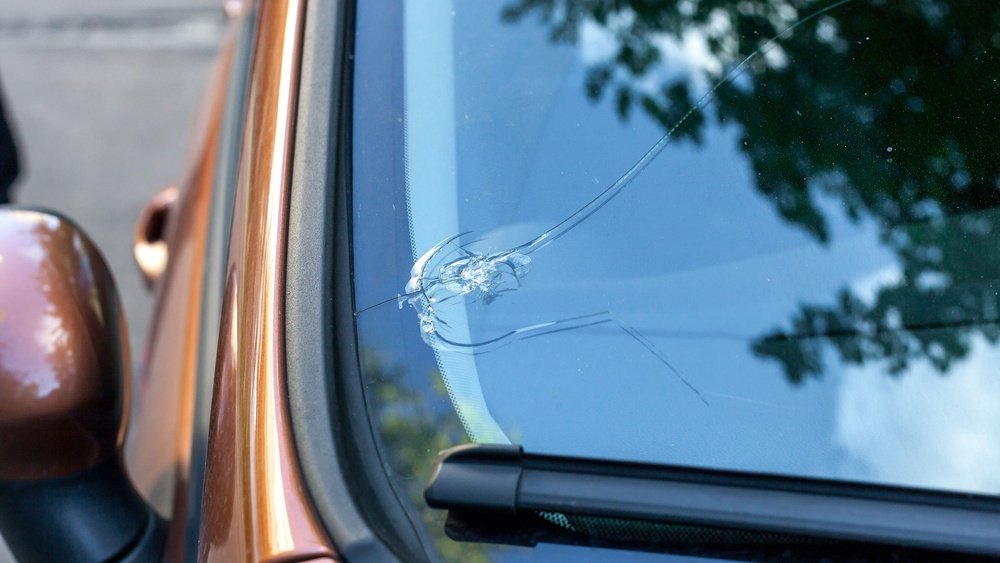
Visible cracks and chips on a windshield are clear signs of damage. They affect how well you see the road. They also reduce the strength of the glass. Knowing the difference between small chips and large cracks helps decide the right action. This section explains these differences and their effects on safety.
Small Chips Vs Large Cracks
Small chips usually come from tiny stones hitting the glass. They look like small dots or tiny circles. Most small chips can be fixed easily. Large cracks are longer and deeper. They often spread across the windshield. These cracks are harder to repair and may need replacement.
Impact On Safety
Cracks and chips weaken the windshield. A damaged windshield cannot protect you well during accidents. Large cracks can block your view while driving. This increases the chance of accidents. Even small chips can grow bigger over time. Driving with a damaged windshield is risky.
When Repairs Aren’t Enough
Repairs work only for small chips and short cracks. If the damage spreads, repairs fail. Cracks near the edges are hard to fix. Deep cracks also need replacement. A new windshield restores strength and clear vision. Replace the windshield to keep safe on the road.
Distorted Vision While Driving
Distorted vision while driving can signal a serious problem with your windshield. Clear sight is crucial for safe driving. Any change in how you see the road can increase risks. Watch for signs that your windshield might need replacement. These signs often start with subtle vision problems.
Blurriness And Warping
Blurriness makes it hard to see road details. Warping bends the light, causing shapes to look strange. Small cracks or chips can cause these effects. Even clean windshields can distort if damaged. Driving with a warped windshield can confuse your eyes.
Effects On Night Driving
Night driving becomes tougher with a damaged windshield. Light from street lamps and headlights can scatter. This creates glare that hurts your vision. You may see halos or streaks around lights. These effects increase the chance of accidents.
How Damage Affects Visibility
Damage blocks or changes what you see. Cracks can grow and blur your view. Dirt and moisture stick more easily on damaged glass. This lowers your ability to spot hazards. Replace a damaged windshield to keep clear vision.
Water Leaks Inside The Car
Water leaks inside the car can signal a serious issue with your windshield. Moisture entering your vehicle is not normal and should not be ignored. It can cause discomfort and damage to the car’s interior. Identifying these leaks early helps avoid costly repairs later.
Signs Of Water Intrusion
Wet spots on the dashboard or floor mats indicate water intrusion. Damp smells inside the car often suggest hidden leaks. Foggy windows that do not clear up easily may point to moisture buildup. Watch for these signs after rain or washing your car.
Consequences Of Leaks
Water leaks can damage your car’s electronics and upholstery. Mold and mildew grow quickly in damp environments, causing bad odors. Continuous leaks weaken the windshield seal, risking further water entry. Ignoring leaks can lead to expensive repairs and unsafe driving conditions.
Checking Seal Integrity
Inspect the rubber seal around the windshield for cracks or gaps. Press gently along the edges to feel for loose spots. Use a flashlight to check for visible damage or missing adhesive. Regular checks ensure the seal stays strong and prevents leaks.
Credit: www.reddit.com
Unusual Noises During Driving
Unusual noises during driving can signal a problem with your windshield. These sounds often come from air or loose parts. They may seem small but indicate bigger issues. Paying attention helps keep your car safe and quiet.
Wind Noise And Rattling
Wind noise is a common sign of windshield problems. It sounds like a whistle or whoosh near the windows. This happens when air leaks through gaps around the glass. Rattling noises may follow, caused by loose or damaged seals. Both noises distract you and reduce driving comfort.
Causes Linked To Windshield Issues
Cracks or chips can create gaps for air to pass through. Old or worn-out seals fail to hold the windshield tight. Improper installation also causes poor fitting and noise. These issues let wind enter the cabin, causing noise and discomfort. Fixing the windshield or seals stops these sounds and improves safety.
Airbag Deployment Concerns
Airbag deployment is a critical safety feature in vehicles. The windshield plays an important part in this process. A damaged or weak windshield can affect how airbags work during a crash. Understanding these concerns helps you know when to replace your windshield.
Windshield’s Role In Airbag Safety
The windshield supports the passenger-side airbag during deployment. It stops the airbag from pushing out of place. This keeps passengers safer by directing the airbag correctly. A strong windshield helps the airbag protect the passenger fully.
Risks Of A Compromised Windshield
A cracked or chipped windshield may fail in a crash. It might break or detach under airbag pressure. This reduces the airbag’s effectiveness and raises injury risk. A damaged windshield puts everyone inside the car in danger.
Age And Wear Factors
Windshield damage does not always come from one big hit. Often, age and daily wear cause slow damage. Over time, the glass can weaken and become less safe. Understanding these factors helps you know when replacement is needed.
Lifespan Of A Windshield
Most windshields last between 5 to 10 years. This depends on driving habits and care. Older windshields may develop tiny cracks and chips. These small flaws can grow and affect visibility. A windshield past its prime may not protect well in crashes.
Effects Of Weather And Uv Exposure
Sunlight and heat cause the glass to weaken. UV rays can make the windshield cloudy or brittle. Cold weather may cause cracks to grow faster. Frequent changes in temperature stress the glass. These conditions speed up wear and tear on the windshield.
Professional Inspection Tips
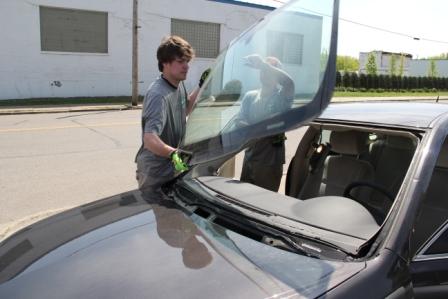
Professional inspection helps decide if your windshield needs replacement. Experts use tools and experience to spot problems early. This saves money and keeps you safe on the road.
When To Seek Expert Advice
Visit a technician if cracks spread more than a few inches. Chips larger than a quarter also need checking. Windshield damage near the driver’s view is risky. Sudden temperature changes can worsen small cracks quickly. Strange noises or leaks around the glass require expert attention.
What Technicians Look For
Technicians check for cracks, chips, and glass distortion. They inspect the seal to ensure no water or air leaks. Damage affecting the driver’s line of sight raises concerns. They also evaluate if repairs are possible or replacement is needed. Safety standards guide their decision on windshield condition.
Credit: only1autoglass.com
Frequently Asked Questions
How Do I Know If My Windshield Needs Replacement?
Check for large cracks, deep chips, or spiderweb cracks. If damage obstructs your view or worsens quickly, replacement is necessary.
Can Small Chips In Windshield Be Repaired Or Replaced?
Small chips under six inches can often be repaired. However, if chips spread or affect safety, replacement is recommended.
What Safety Risks Come With A Damaged Windshield?
A damaged windshield reduces structural integrity and airbag effectiveness. It also impairs visibility, increasing accident risks. Immediate repair or replacement is crucial.
How Long Does Windshield Replacement Usually Take?
Windshield replacement typically takes 30 minutes to an hour. Drying time may add extra time before driving safely.
Conclusion
A cracked or chipped windshield can be dangerous. Small damage can grow and block your view. Clear glass helps you drive safely every day. Check your windshield often for any signs of wear. Don’t wait until cracks get worse. Replace the windshield if damage affects your vision or safety.
Taking care of your windshield protects you and others on the road. Stay alert and keep your car safe.
Leave a Reply