
Is your windshield cracked or chipped, and you’re wondering if you’ll have to pay a deductible to get it replaced? You’re not alone.
Many people face this question when dealing with insurance claims for windshield damage. Understanding whether a deductible applies can save you money and headaches. You’ll discover exactly when a deductible is required, how it affects your repair costs, and what options you have to keep more money in your pocket.
Keep reading to make sure you’re fully prepared before making your next windshield replacement decision.
What Is A Deductible
Understanding what a deductible means can help you manage costs during windshield replacement. A deductible is the amount you pay out of pocket before insurance covers the rest. This amount is fixed in your insurance policy and affects how much you pay for repairs or replacements.
Knowing about deductibles helps you prepare for expenses. It also helps you choose the right insurance plan for your needs.
Definition Of A Deductible
A deductible is a set amount you pay before insurance pays. For example, if your deductible is $200, you pay $200 first. Then, insurance covers the remaining cost of the repair.
How Deductibles Work
Deductibles apply each time you make a claim. If you replace your windshield, the deductible applies to this repair. It lowers the amount the insurance company has to pay.
Types Of Deductibles
Some policies have a fixed deductible amount. Others may use a percentage based on the total repair cost. You must check your policy to know which type applies.
Why Deductibles Matter
Deductibles affect your repair costs directly. A higher deductible means lower monthly premiums but higher out-of-pocket costs. A lower deductible means higher premiums but less to pay when making a claim.

Credit: anthonyvolkglass.com
How Windshield Replacement Works
Replacing a windshield starts with assessing the damage carefully. A professional checks if the windshield can be repaired or must be replaced. Small chips or cracks often get fixed without full replacement.
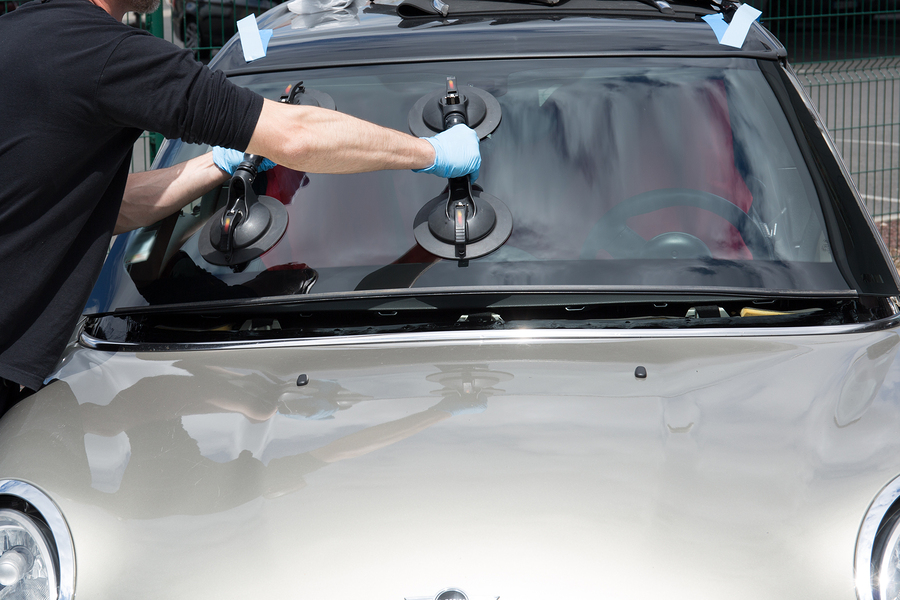
If the damage is too large, the entire windshield needs replacement. The technician removes the old glass safely. Then, they clean the frame to remove dirt and old glue.
New adhesive is applied to the frame. This ensures the new windshield stays secure and sealed. The glass is placed carefully and pressed into the adhesive.
After installation, the adhesive must dry for some time. This step is crucial for safety and durability. The technician checks the installation to confirm proper fit.
Initial Damage Assessment
The technician inspects the windshield for cracks and chips. This helps decide if repair or replacement is best. Some damage can spread fast, needing quick action.
Removing The Old Windshield
The old glass is cut away carefully. Tools prevent damage to the car’s frame. Safety measures protect both the technician and the vehicle.
Preparing The Surface
Cleaning the frame removes debris and old glue. This step helps new adhesive stick better. A clean surface ensures a strong bond.
Applying Adhesive And Installing New Glass
Special adhesive is spread evenly on the frame. The new windshield is placed with care. Pressing the glass into place seals it tightly.
Drying And Final Inspection
The adhesive needs time to set properly. This may take several hours. The technician checks the seal and fit before finishing.
When Is Deductible Applied
Understanding when a deductible applies to windshield replacement can save you from surprise costs. Deductibles are the amount you pay before insurance covers the rest. Not all windshield repairs or replacements require paying a deductible. Knowing the rules helps you plan your expenses better.
Deductible Applies With Comprehensive Coverage
Most auto insurance policies include comprehensive coverage. This covers damages not caused by crashes, like windshield chips. Deductibles usually apply under this coverage. If your windshield breaks, you pay the deductible first. The insurance company pays the rest of the repair or replacement cost.
Deductible Waived By Glass Coverage
Some policies offer separate glass coverage. This coverage often waives the deductible for windshield repairs. It means you pay nothing or a small fee for fixes. Glass coverage might be added to your policy for extra cost. Check your policy details to see if this applies.
Deductible Depends On Repair Vs. Replacement
Small chips or cracks often get repaired, not replaced. Many insurers waive the deductible for repairs. Replacement usually requires paying the deductible. The cost of replacement is higher, so deductible applies. Confirm with your insurer if repair or replacement is covered differently.
State Laws Affect Deductible Rules
Some states have laws about windshield deductibles. These laws may require insurers to waive the deductible. Rules vary by state and insurer. Check local regulations and your insurance policy. This helps know if you must pay a deductible for windshield damage.
Deductible Waivers For Windshield Repairs
Deductible waivers for windshield repairs can save money. These waivers let you fix small cracks without paying your deductible. This helps keep your costs low. Many insurance companies offer this option.
Usually, your deductible is the amount you pay before insurance covers repairs. But with a waiver, you pay nothing for minor windshield work. This makes repairs easier and cheaper. It also encourages quick fixes before damage worsens.
What Is A Deductible Waiver?
A deductible waiver means the insurer pays for repairs without deducting your share. It applies only to windshield repairs, not full replacements. The waiver covers small chips or cracks that do not affect safety.
How To Use A Deductible Waiver
Contact your insurance provider to ask about deductible waivers. Some companies require you to visit approved repair shops. Others may allow any certified repair service. Check your policy details carefully.
Benefits Of Deductible Waivers
Waivers reduce your out-of-pocket expense. They encourage timely repairs, preventing bigger damage. Quick repairs keep your windshield strong and safe. This may also keep your insurance rates lower.
Insurance Policies And Glass Coverage
Understanding insurance policies and glass coverage is important for windshield replacement. Not all policies cover glass damage the same way. Some plans include full glass coverage, while others do not.
Knowing the details helps you avoid surprises during claims. It also guides you on whether you need to pay a deductible or not.
What Glass Coverage Means In Insurance
Glass coverage usually protects against cracks or chips in your windshield. It may cover repair or full replacement costs. Some policies offer glass coverage as an add-on. Without it, you might pay out of pocket for any damage.
Deductible And Its Role In Glass Claims
A deductible is the amount you pay before insurance pays. Many policies require a deductible for windshield replacement. Some offer no deductible for glass repairs or replacements. Checking your policy details shows if you owe a deductible.
Types Of Insurance Policies Affecting Glass Coverage
Comprehensive insurance often covers windshield damage. It may include full or partial glass coverage. Liability insurance usually does not cover glass damage. Some state laws require insurers to offer glass coverage separately.
Cost Factors Affecting Deductibles
Deductibles for windshield replacement depend on factors like insurance policy type and repair costs. Some policies may waive deductibles for repairs instead of full replacement. Understanding these cost factors helps decide if a deductible applies.
Type Of Insurance Coverage
The type of insurance policy affects the deductible amount. Some policies have low or no deductible for windshield repair or replacement. Others require a higher deductible depending on coverage details. Understanding your policy helps predict your out-of-pocket costs.
Repair Vs. Replacement
Repairing a small chip often costs less than replacing the whole windshield. Some insurance plans waive deductibles for minor repairs. Replacement usually involves a higher deductible because the cost is greater. This difference impacts how much you pay upfront.
Vehicle Make And Model
Luxury or rare cars may have higher deductibles for windshield replacement. Parts and labor can be more expensive for these vehicles. Common models tend to have lower costs, which can reduce the deductible amount. Vehicle type is a key factor in deductible costs.
Deductible Amount Chosen
Policyholders select their deductible when buying insurance. A higher deductible lowers monthly premiums but means more cost during a claim. A lower deductible increases premiums but reduces expenses at claim time. Your choice influences your deductible for windshield service.
Location And Service Provider
Costs vary by region and the repair shop you choose. Urban areas may have higher labor costs, raising deductibles indirectly. Some shops include deductible assistance or discounts. Location and provider can affect total expenses related to your deductible.
Steps To File A Windshield Claim
Filing a windshield claim can feel confusing. Knowing the right steps helps you act quickly and get your windshield fixed without extra cost. Follow these clear steps to make the process smooth.
Understanding each step prevents delays. Being prepared means your claim will move faster and with less hassle.
Contact Your Insurance Company
Start by calling your insurance provider. Explain the damage and ask about your coverage. Some companies have special glass claims departments.
Provide Necessary Information
Give details like your policy number and vehicle information. Share photos of the damage if possible. Clear information speeds up approval.
Schedule An Inspection Or Repair
Your insurer may want to inspect the damage. Sometimes they allow you to go directly to an approved glass shop. Set an appointment quickly to avoid further damage.
Understand Your Deductible
Ask if you need to pay a deductible. Many insurance policies waive deductibles for windshield repairs or replacements. Confirm this before proceeding.
Complete The Repair
Take your car to the glass shop. The repair usually takes a short time. Keep all receipts and documents for your records.
Credit: www.claimsjournal.com
Tips To Avoid Deductible Charges
Paying a deductible for windshield replacement can feel frustrating. Some simple steps can help lower or avoid these charges. Understanding your insurance policy and repair options saves money and stress. Follow these practical tips to keep your costs down.
Check Your Insurance Policy Details
Review your policy carefully. Some plans cover windshield repair without a deductible. Knowing this helps avoid unexpected charges. Call your insurer for clear information on glass coverage.
Choose Repair Instead Of Replacement
Small chips or cracks often need repair, not full replacement. Repairs usually cost less and might have no deductible. Quick repairs stop damage from spreading and keep costs low.
Use Approved Repair Shops
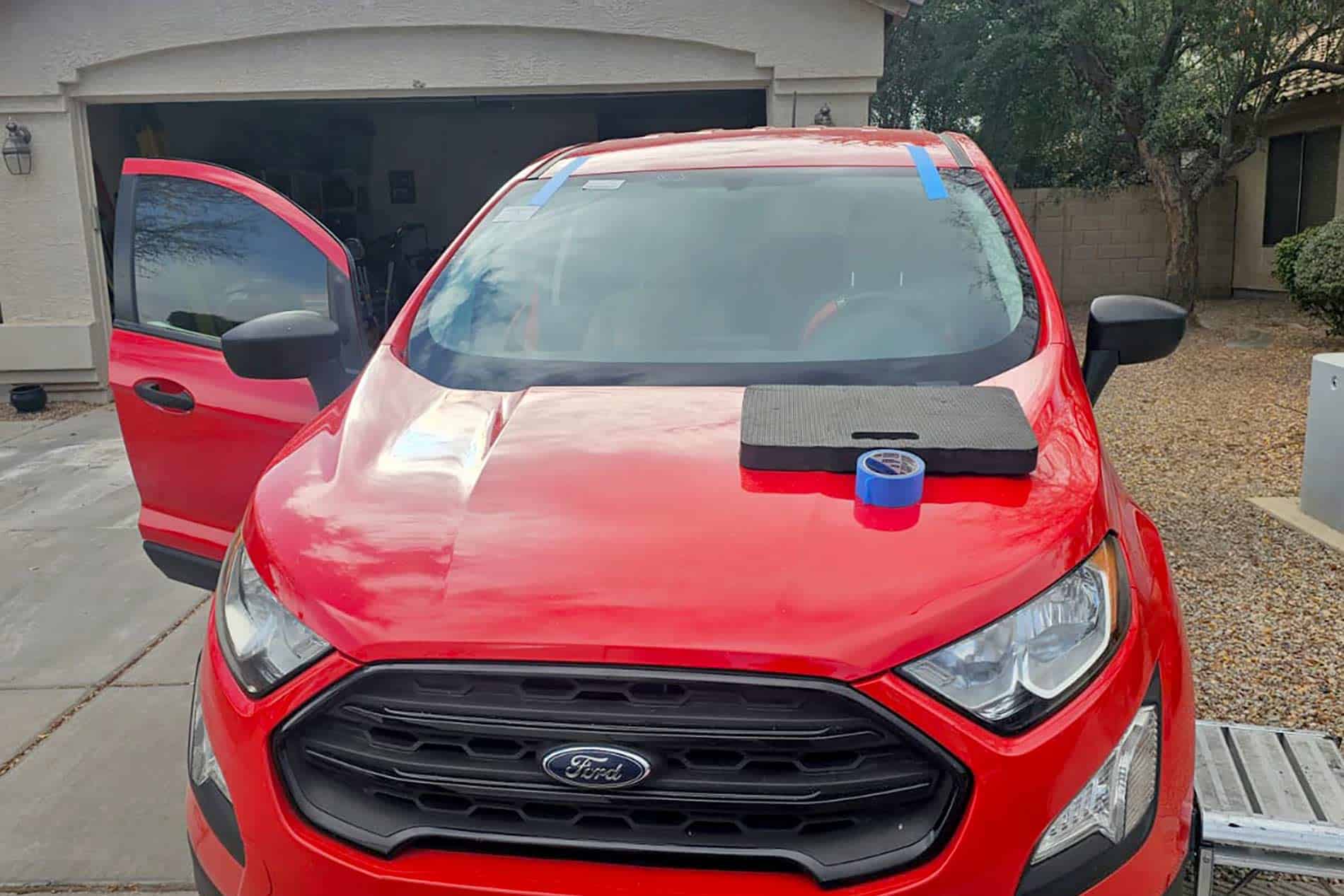
Some insurers have a list of preferred glass shops. These shops follow insurer rules and pricing. Using them can reduce or eliminate your deductible. Confirm with your insurer before choosing a shop.
Ask About Waivers Or Discounts
Some insurance companies offer deductible waivers for glass claims. Discounts may apply for safe driving or bundling policies. Always ask your agent about these money-saving options.
Credit: samedaywindshield.com
Frequently Asked Questions
What Is A Deductible In Windshield Replacement?
A deductible is the amount you pay out-of-pocket before insurance covers the rest. It varies by policy and affects your total repair cost.
Does Insurance Require A Deductible For Windshield Repair?
Many insurance policies waive the deductible for windshield repair. However, for full replacement, a deductible often applies depending on your coverage.
How Much Is The Typical Deductible For Windshield Replacement?
Deductibles usually range from $100 to $500. The exact amount depends on your insurance plan and the type of coverage you have.
Can I Avoid Paying A Deductible For Windshield Replacement?
Some insurers offer zero deductible for windshield repairs or replacements. Check your policy details or ask your insurance provider for options.
Conclusion
Understanding whether a deductible applies helps you plan for windshield repairs. Insurance policies vary, so check yours carefully. Some cover full replacement costs without deductibles. Others require paying a small amount first. Knowing this saves money and avoids surprises later.
Always ask your insurance agent about your coverage. Protect your car and wallet by staying informed. Simple steps make repairs easier and faster. Keep your windshield safe and your driving clear.
Leave a Reply