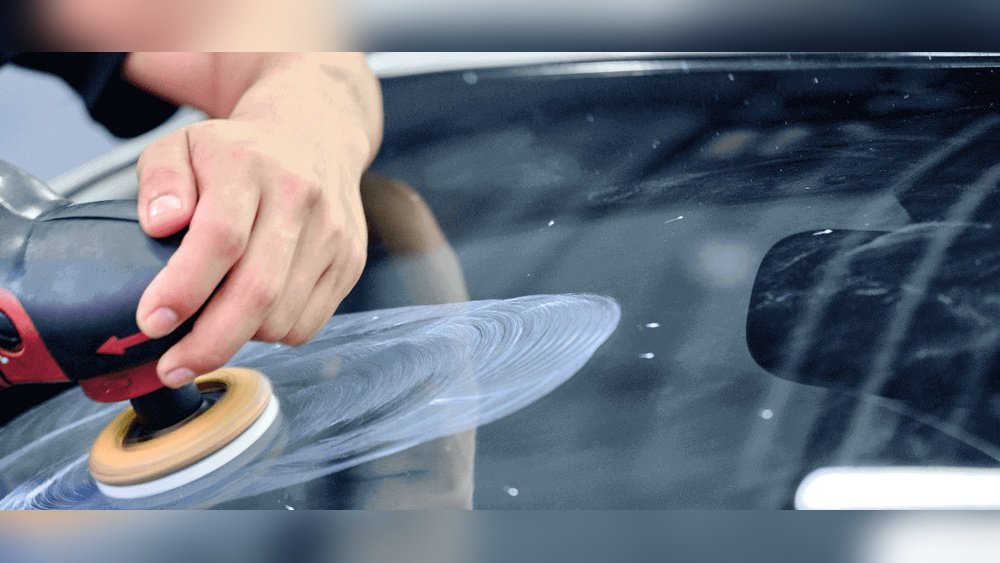
Have you noticed those annoying scratches on your car glass? They can block your view and make your vehicle look worn out.
But don’t worry—you don’t have to live with them or rush to expensive repairs. You’ll discover simple and effective ways to clean and reduce those scratches yourself. Imagine driving with a clear, smooth windshield again—sounds great, right? Keep reading to learn easy steps that will bring back your car’s shine and improve your safety on the road.
Identify Scratch Types
Before cleaning car glass scratches, identify the type of scratch. This step helps choose the right cleaning method. Scratches vary in depth and damage. Knowing the difference saves time and effort. It also improves the chances of a clear, smooth finish.
Surface Scratches
Surface scratches are light marks on the glass. They do not cut deeply into the surface. Usually, these scratches feel smooth when you run your finger over them. They appear as thin lines or light haze. Surface scratches often happen from dust, dirt, or cleaning tools.
These scratches can often be polished out. Using mild abrasive cleaners or special glass polish works well. Surface scratches do not affect visibility much. They mainly impact the look of the glass.
Deep Scratches
Deep scratches cut into the glass surface. They feel rough or jagged to the touch. These scratches are often visible from a distance. Deep scratches can cause cracks or chips to grow over time.
Cleaning deep scratches requires more care. Simple polishing may not fix them completely. Sometimes professional repair or glass replacement is needed. Treat deep scratches early to avoid bigger damage later.
Gather Necessary Tools
Before fixing scratches on your car glass, gather all the necessary tools. Having the right items makes the job easier and better. Prepare everything in one place to avoid interruptions. This saves time and helps you work safely and neatly.
Cleaning Supplies
Start with basic cleaning supplies. Use a soft microfiber cloth to avoid new scratches. Get a glass cleaner made for car windows. Avoid household cleaners with ammonia. They can damage the glass or tint. Clean the scratched area well before you start polishing. Dirt and dust can worsen the scratch.
Polishing Compounds
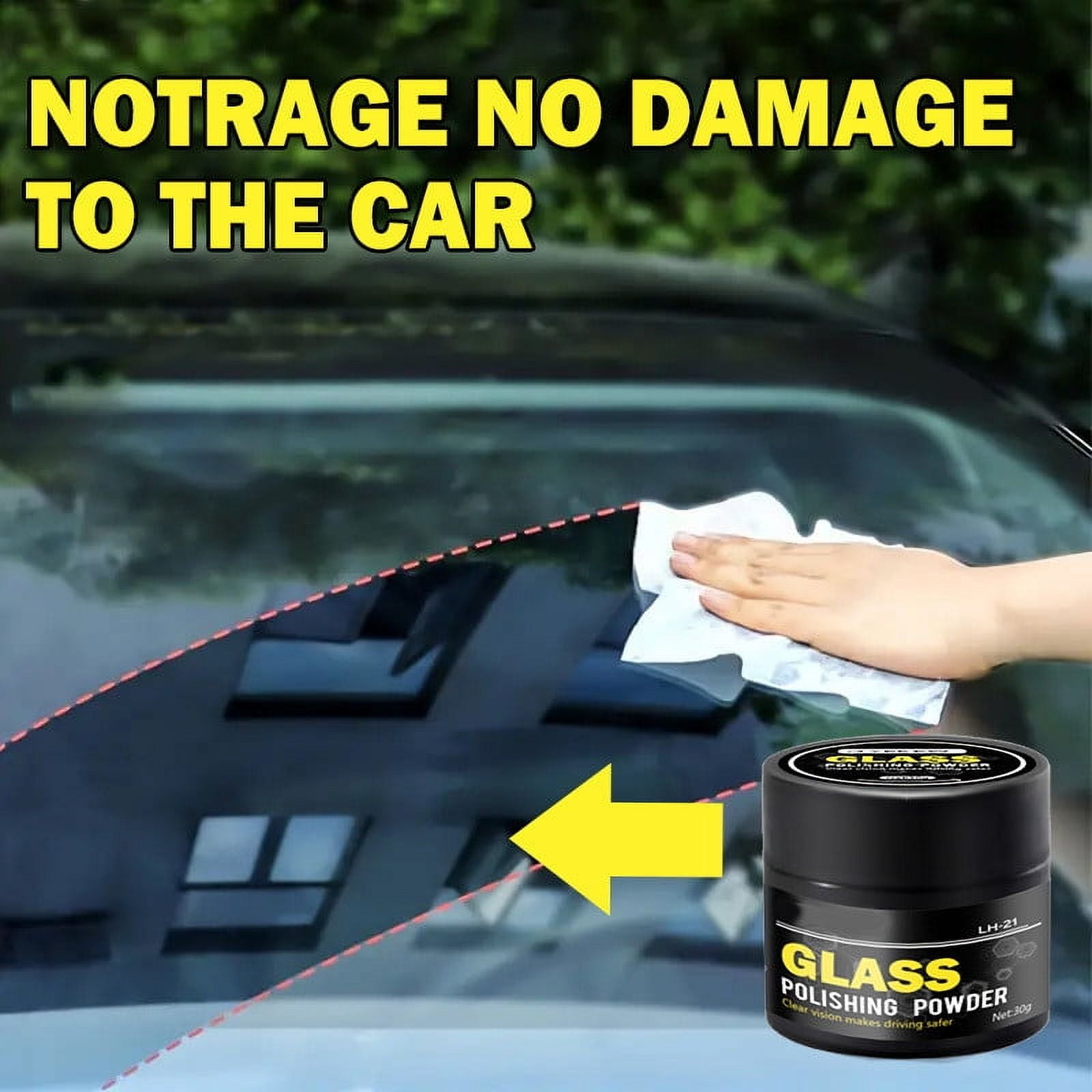
Choose polishing compounds made for glass repair. Cerium oxide is a popular choice. It helps smooth out scratches by gently wearing down the glass surface. Use a small amount and apply it carefully. Avoid harsh abrasives that can cause more damage. Polishing compounds work best with a proper applicator pad or felt wheel.
Protective Gear
Wear protective gear for safety. Use gloves to protect your hands from chemicals. Safety glasses shield your eyes from dust and splashes. Work in a well-ventilated area to avoid breathing fumes. Proper protection keeps you safe and comfortable during the repair process.
Prepare The Glass Surface
Preparing the glass surface is a key step before fixing scratches on your car window. A clean, dry surface helps the repair materials stick better and work well.
Skipping this step can cause the scratch to stay visible or even get worse.
Clean The Area
Start by washing the glass around the scratch. Use a mild soap and water mix. Gently wipe the surface with a soft cloth or sponge. Remove all dirt, dust, and grease. Avoid harsh cleaners that can damage the glass.
Cleaning well helps you see the scratch clearly. It also stops dirt from getting trapped in the repair.
Dry Thoroughly
After cleaning, dry the glass completely. Use a clean, dry microfiber cloth to avoid new scratches. Make sure no water or moisture remains on the surface.
Dry glass improves the scratch repair process and prevents streaks. It creates the best base for the next steps.
Credit: www.walmart.com
Use Toothpaste For Light Scratches
Toothpaste works well to remove light scratches from car glass. It acts as a mild abrasive that smooths out tiny marks. This method is easy and inexpensive. Many people have toothpaste at home, so it’s a handy option.
Use a non-gel, plain white toothpaste for the best result. Avoid colored or whitening toothpaste because they might leave residue. This simple trick can improve the look of your car windows quickly.
Apply And Rub Gently
Squeeze a small amount of toothpaste on a soft, clean cloth. Dab it onto the scratched area. Rub the toothpaste gently in circular motions. Do this for about 30 seconds. Use light pressure to avoid making the scratch worse. Repeat if needed, but do not overdo it.
Rinse And Inspect
Use a damp cloth or water to rinse off the toothpaste. Make sure no paste stays on the glass. Dry the area with a clean towel. Check the scratch under good light. The mark should look less noticeable. If it still shows, you can repeat the process once more.
Apply Baking Soda Paste
Applying a baking soda paste is a simple way to reduce scratches on car glass. Baking soda works as a mild abrasive. It helps smooth out small scratches without harming the glass.
This method is affordable and uses common household items. It requires only baking soda, water, and a soft cloth. The process involves making a paste, applying it carefully, and then buffing the scratch.
Mix And Apply
Start by mixing two parts baking soda with one part water. Stir well to form a thick paste. The paste should not be too runny or too dry.
Use a clean, soft cloth to apply the paste. Spread it gently over the scratched area. Cover the entire scratch with a thin, even layer.
Let the paste sit on the scratch for a few minutes. This gives the baking soda time to work on the glass surface.
Buff The Scratch
After the paste sets, take a fresh soft cloth. Use small, circular motions to buff the scratch. Apply light pressure to avoid damaging the glass.
Buff until the scratch starts to fade. This may take a few minutes. Wipe away any leftover paste with a damp cloth.
Repeat the process if needed for deeper scratches. This method works best on minor surface scratches.
Try Commercial Glass Polish
Commercial glass polish can help reduce scratches on car windows. It works by smoothing the glass surface. This makes scratches less visible. Using the right product can improve your car’s look. Polishing also protects the glass from future damage.
Select The Right Product
Choose a polish made for car glass only. Avoid products for plastic or household glass. Look for fine abrasive compounds in the polish. These gently remove scratches without harming the glass. Check product reviews to find trusted brands. A good polish will have clear instructions and safety labels.
Follow Usage Instructions
Read the label carefully before starting. Clean the glass to remove dirt and dust first. Apply a small amount of polish to a soft cloth. Rub the polish on the scratch using circular motions. Work gently to avoid making scratches worse. Use a clean cloth to wipe off excess polish. Repeat if needed, but do not overdo it. Let the glass dry completely before driving.
Use Cerium Oxide For Tough Scratches
Cerium oxide is a popular choice for removing tough scratches from car glass. It works by gently polishing the glass surface to reduce the appearance of scratches. This method requires care but can make your car glass look much clearer. Using cerium oxide is effective and affordable for deep scratches that other cleaners cannot fix.
Prepare The Mixture
Start by mixing cerium oxide powder with clean water. Use a small bowl and add water slowly. The goal is to create a paste, not too thick or thin. Stir the mixture well until smooth. The paste should easily spread on the glass without dripping. Prepare only the amount you need for the job to keep it fresh.
Polishing Technique
Apply the cerium oxide paste to the scratched area. Use a soft cloth or a felt polishing pad. Move the cloth in small, circular motions over the scratch. Keep pressure even but gentle. Continue polishing for several minutes, checking progress often. Wipe off excess paste with a clean cloth. Repeat if scratches remain visible. Avoid harsh pressure to prevent more damage.
Avoid Common Mistakes
Cleaning scratches on car glass needs care and the right steps. Avoiding common mistakes can save your glass from more damage. These tips help you clean better and keep your glass clear.
Using Abrasive Materials
Abrasive materials can make scratches worse. Rough cloths or harsh powders may leave more marks. Use soft, non-abrasive cloths instead. Gentle cleaning products work best for glass surfaces.
Applying Excessive Pressure
Pressing too hard can deepen scratches. Light, even strokes clean without harm. Let cleaning products do most of the work. Too much force can crack or chip the glass.
Protect Glass After Repair
Protecting your car glass after repair is very important. It helps keep the surface smooth and clear. Proper care stops new scratches and damage. This makes your glass last longer and look better. Use simple steps to guard the glass after fixing scratches.
Apply Sealants
Sealants create a strong layer on the glass surface. They fill tiny gaps and protect from dust and dirt. Use a glass sealant made for cars. Apply it with a soft cloth in small, circular motions. Let it dry fully before touching the glass. Sealants also help reduce glare and water spots. Regular use keeps your glass smooth and clear.
Regular Maintenance Tips
Clean the glass often with a gentle cleaner. Avoid harsh chemicals that can wear down the glass. Use a soft cloth or microfiber towel to wipe the surface. Check for new scratches or chips every week. Fix minor damage quickly to stop it from growing. Park your car in shaded areas to protect glass from sun damage. Follow these easy steps to keep your glass in top shape.
Credit: www.youtube.com
Credit: www.youtube.com
Frequently Asked Questions
How Can I Remove Minor Car Glass Scratches At Home?
You can remove minor scratches using toothpaste or baking soda. Apply gently with a soft cloth in circular motions. Rinse and dry the glass afterward. This method is affordable and effective for small, shallow scratches.
What Products Work Best For Cleaning Car Glass Scratches?
Cerium oxide polish and glass scratch repair kits work best. These products fill and smooth scratches, restoring clarity. Always follow the instructions carefully for safe and effective use.
Can Car Glass Scratches Affect Visibility And Safety?
Yes, scratches can distort light and reduce visibility. This may cause glare and distractions while driving. Repairing scratches promptly maintains clear vision and improves safety on the road.
Is Professional Repair Necessary For Deep Car Glass Scratches?
Deep scratches often require professional repair or glass replacement. Professionals use specialized tools and resins to restore the glass. Attempting deep scratch repair at home may worsen the damage.
Conclusion
Cleaning car glass scratches takes patience and the right tools. Start with gentle methods to avoid making scratches worse. Use recommended products and follow steps carefully. Small scratches often improve with simple fixes. Deeper scratches may need professional help. Keep your glass clean to spot damage early.
Regular care helps maintain clear, safe windows. Protect your car glass to enjoy better driving visibility. Easy steps can make a big difference. Give your car glass the attention it deserves.
Leave a Reply