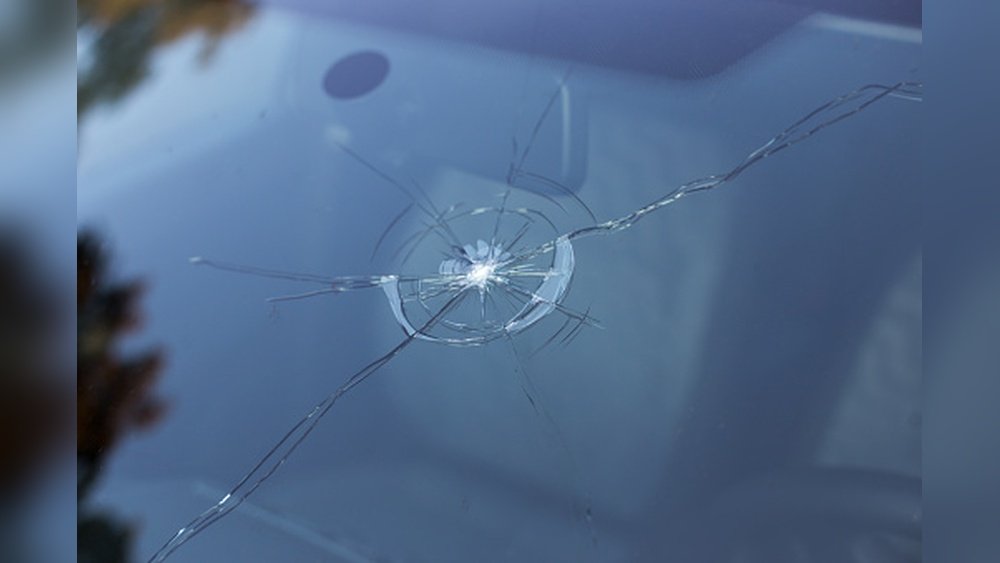
Have you ever noticed tiny cracks spreading across your windshield on a chilly morning? It’s frustrating and can leave you wondering if the cold weather is to blame.
You might be asking yourself, “Does cold weather crack my windshield? ” Understanding how cold temperatures affect your glass can save you from unexpected damage and costly repairs. You’ll discover the surprising reasons behind windshield cracks in cold weather and learn simple steps to protect your car.
Keep reading—your windshield will thank you.

Credit: www.reddit.com
Cold Weather And Windshield Damage
Cold weather can be tough on your car’s windshield. The glass faces stress from freezing temperatures and sudden changes in heat. This stress can lead to cracks and chips. Understanding how cold affects your windshield helps protect it better.
Many people notice small cracks appear after a cold night or a sharp frost. These cracks might start tiny but can grow fast. Knowing what causes them can save you costly repairs.
How Temperature Affects Glass
Glass expands and contracts with temperature changes. In cold weather, glass contracts and becomes less flexible. When the glass is cold, a small impact can cause it to crack more easily. Sudden heat from a heater or warm water causes rapid expansion. This quick change puts extra pressure on the glass. Stress points appear, leading to cracks or chips.
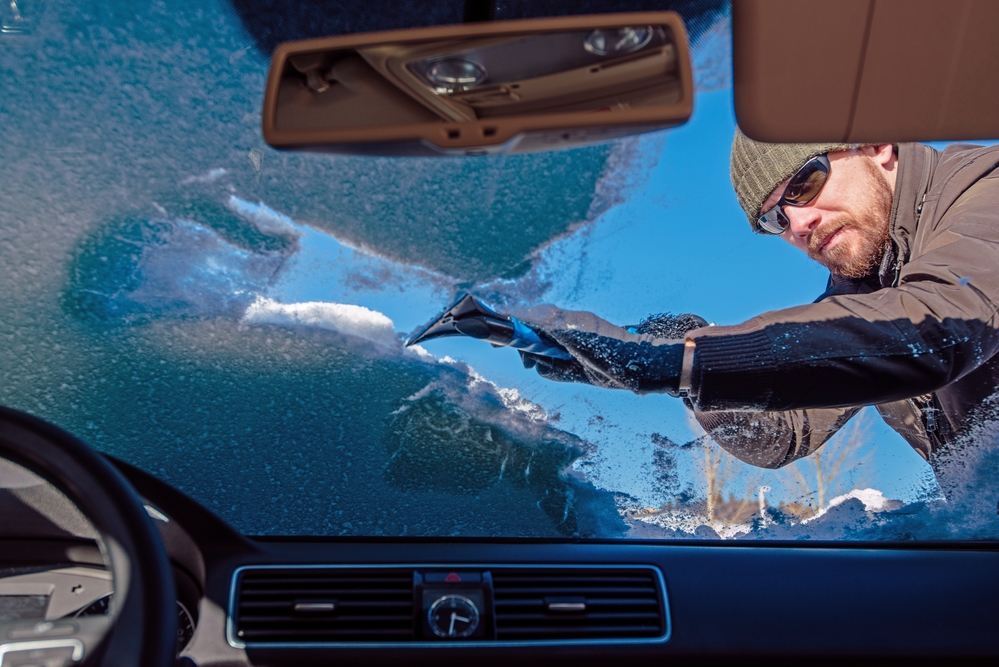
Frost and ice also add weight to the windshield. Scraping ice can cause scratches or weaken the glass. These small damages grow worse with temperature changes.
Common Types Of Windshield Cracks
Cold weather causes several common crack types. A “star break” looks like a small star with lines spreading out. This happens from sharp impacts on cold glass. “Bullseye” cracks are round and dark in the center. They form from small hits, often worsened by cold.
Long cracks can start small but grow quickly in freezing temperatures. “Edge cracks” appear near the windshield frame. Cold and stress make these cracks spread faster. Small chips also worsen in the cold, turning into bigger cracks over time.
Credit: www.glasshopperautoglass.com
Causes Of Cracks In Cold Weather
Cold weather can cause many problems for car windshields. One common issue is cracking. Understanding what causes these cracks helps protect your glass during winter months. Several factors linked to cold weather increase the risk of damage.
Rapid Temperature Changes
Glass expands and contracts with temperature shifts. When the temperature drops quickly, the glass may not adjust fast enough. This sudden change creates stress inside the windshield. Tiny weak spots can turn into cracks under this pressure.
Impact Of Ice And Snow
Ice and snow add extra weight and pressure on the windshield. Scraping ice with hard tools can cause scratches or chips. These small damages grow into cracks as the glass faces cold stress. Even falling snow or ice chunks can cause cracks.
Stress From Defrosting And Heating
Using the defrost or heater blasts warm air on a cold windshield. The sudden heat causes uneven expansion in the glass. This uneven heating puts stress on the windshield. Over time, this stress may cause cracks or worsen existing ones.
Signs Your Windshield Is Vulnerable
Cold weather puts extra stress on your windshield. It can cause damage more easily than warm weather. Knowing the signs of a weak windshield helps you act fast.
Check your windshield often. Small problems can turn into big cracks in freezing temperatures. Spotting these signs early keeps your glass safe and strong.
Existing Chips And Small Cracks
Tiny chips or cracks look harmless. They are not. Cold air makes them grow quickly. Ice expands in these small spaces and pushes the glass apart. A small chip can turn into a long crack overnight.
Even a tiny nick needs attention. It weakens the glass and makes it easy to break. Fix chips early before cold weather arrives.
Age And Condition Of The Glass
Older windshields get weaker over time. The glass loses strength from sun, dirt, and wear. Cold weather puts added pressure on old glass. It can crack with sudden temperature changes.
Look for signs of wear like dull spots or scratches. These areas are more likely to break. Consider replacing very old or damaged windshields before winter.
Preventing Windshield Cracks In Winter
Cold weather can cause windshield cracks if not handled carefully. Preventing these cracks helps keep your car safe and saves money on repairs. Simple steps during winter protect your windshield from damage.
Using the right methods avoids stress on the glass. Small habits make a big difference in winter weather.
Proper De-icing Techniques
Never use hot water to melt ice on your windshield. Hot water causes rapid temperature changes, leading to cracks. Use a plastic scraper gently to remove ice. Spray a commercial de-icer or a mix of water and rubbing alcohol. These methods melt ice without harming the glass.
Using Protective Covers
Covering your windshield overnight prevents ice buildup. Use a windshield cover or a thick cloth. This keeps frost and ice away from the glass. Removing the cover is easier than scraping ice. It protects the glass from sudden temperature changes.
Safe Heating Practices
Turn on your car’s defroster before driving. Let the car warm up slowly to warm the windshield. Avoid using the heater directly on cold glass. Sudden heat can stress and crack the windshield. Maintain a steady, gentle warming process.
Repair Vs Replacement In Cold Conditions
Cold weather can make windshield damage worse. The glass contracts in low temperatures, causing cracks to expand quickly. Choosing between repair and replacement depends on the size and location of the damage. Acting fast can save money and keep your windshield safe during winter months.
When To Repair
Small chips and cracks less than a dollar bill size can usually be repaired. Repairs are best done soon after damage occurs to prevent spreading. Cold weather slows repair curing time, so schedule it promptly. Repairs keep the original glass strong and clear. A quick fix avoids higher costs later.
When Replacement Is Necessary
Large cracks or damage near the edges often need replacement. Cold temperatures can cause damaged areas to grow rapidly. Deep cracks or shattered glass weaken the windshield’s structure. Safety systems like airbags depend on a strong windshield. Replacement ensures full protection and clear visibility in cold weather.
Credit: only1autoglass.com
Tips For Maintaining Windshield Health Year-round
Keeping your windshield in good shape is important all year. Weather changes can cause small cracks to grow fast. Cold weather can make glass brittle. Heat can cause it to expand. Both can weaken the windshield over time.
Simple care steps help protect your windshield. These steps stop small problems from turning big. A strong windshield keeps you safe on the road. Here are easy tips for windshield care every season.
Regular Inspections
Check your windshield often. Look for small chips or cracks. Even tiny damage can spread quickly. Early fixes cost less and keep glass strong. Use a clean cloth to wipe dirt away. Clear glass helps spot damage faster. Schedule a professional check at least once a year.
Avoiding Sudden Temperature Swings
Glass reacts badly to quick temperature changes. Pouring hot water on ice can crack it. Park in shaded or covered areas when possible. Use a windshield cover in winter. Warm up your car slowly before driving. These steps reduce stress on the glass. Protect the windshield from sudden heat or cold.
Frequently Asked Questions
Can Cold Weather Cause Windshield Cracks?
Yes, cold weather can cause windshields to crack. Rapid temperature drops make glass contract quickly. This sudden change increases stress, leading to cracks or chips expanding.
Why Does Ice Damage My Windshield?
Ice can damage your windshield by creating surface stress. Using sharp tools to remove ice can scratch or chip glass. These imperfections can grow into cracks when exposed to cold.
How To Prevent Windshield Cracks In Winter?
To prevent cracks, avoid sudden temperature changes. Use a windshield cover to reduce frost buildup. Warm the car gradually, and never pour hot water on frozen glass.
Are Older Windshields More Prone To Cracking?
Yes, older windshields are more vulnerable. Over time, small chips weaken the glass structure. Cold weather worsens these weaknesses, causing cracks to form or expand more easily.
Conclusion
Cold weather can cause windshields to crack, especially if the glass is already weak. Rapid temperature changes put pressure on the glass, leading to cracks. Small chips can grow larger in freezing temperatures. Regularly check your windshield for damage. Use proper care to avoid sudden temperature shifts.
Protect your glass by warming your car slowly. Taking these steps helps keep your windshield safe during cold months. Stay cautious and act quickly if you notice any cracks forming. This simple care can save you from costly repairs later.
Leave a Reply