
Have you ever slammed your car door a little too hard and wondered if it could actually damage your windshield? It’s a question many drivers don’t think about until a crack appears out of nowhere.
Could your own actions be the cause of that sudden chip or crack? Understanding the connection between a slammed door and windshield damage can save you time and money. Keep reading to find out if your car door habits are putting your windshield at risk and what you can do to protect it.
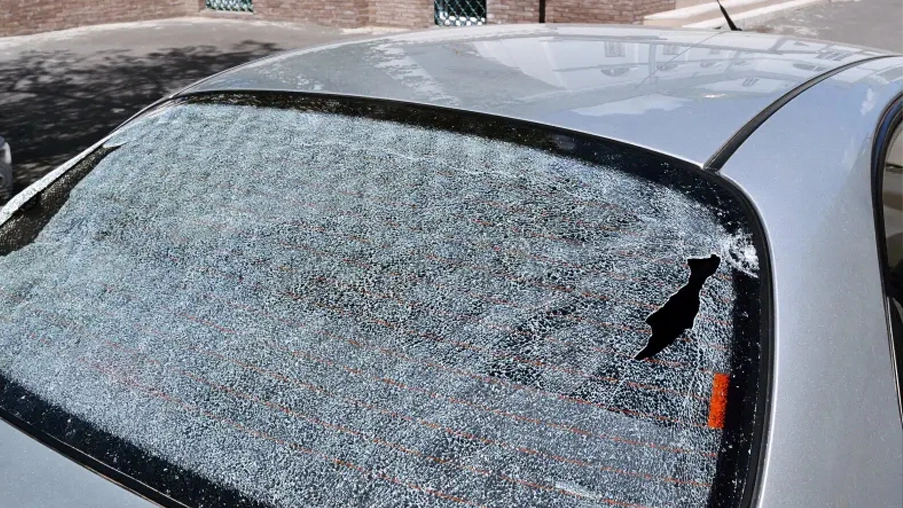
Credit: www.nuvisionautoglass.com
Door Slamming And Car Damage
Slamming car doors can cause more damage than expected. The force from a hard door slam affects many car parts. Some damage might not show right away but can get worse over time. Understanding how door slams impact your vehicle helps protect it better.
Common Door Impact Effects
Car doors often hit the frame or nearby parts when slammed. This can cause dents and scratches on the door or body. Hinges may become loose or bent, making the door harder to close. Sometimes, the seal around the door weakens. This leads to water leaks and wind noise inside the car.
Repeated slamming can cause small cracks in the car’s paint. Dust and dirt then enter these cracks, making rust a risk. The inside panel of the door can also get damaged. This affects buttons, speakers, and wiring inside the door.
Force Generated By Door Slams
A slammed door creates a sudden force that spreads through the car. This force can shake nearby parts and cause stress. Windshields are fixed firmly but still experience stress from strong impacts. The force from a door slam is usually not enough to crack a windshield directly.
However, if the windshield has tiny chips or weak spots, the force might worsen the damage. Long-term exposure to repeated shocks can also weaken the glass. Strong slamming combined with existing damage increases the risk of cracks forming later.
How Windshields React
Windshields are designed to protect drivers and passengers from outside elements. They also add strength to the car’s frame. Despite their toughness, windshields can be vulnerable to certain impacts. Understanding how they react helps explain if slamming a door can cause cracks.
Windshields have layers and special materials that absorb shocks. Their reaction depends on the force and where it hits. Not all impacts cause damage, but some stress points are weaker.
Materials And Strength
Most windshields use laminated glass. This glass has two layers with a plastic sheet in between. This design keeps the glass from shattering easily. The plastic layer holds pieces together if the glass breaks.
The glass layers are strong but can crack under sharp or strong pressure. Windshields resist small bumps but not all impacts. This strength helps protect passengers and the car’s structure.
Stress Points On Windshields
Stress points are weak spots where cracks often start. Edges of the windshield usually have more stress. These areas can crack from sudden jolts or pressure.
Slamming a door creates vibrations. Sometimes, these vibrations reach the windshield edges. If the windshield already has tiny chips, the door slam might worsen cracks.
Flat areas in the center are less likely to crack from door slams. The glass there handles pressure better than edges or corners.
Can A Door Slam Crack A Windshield?
Can a door slam crack a windshield? This question puzzles many car owners. Windshields are tough, made to resist impacts and protect passengers. Doors, on the other hand, are heavy and can hit hard when slammed. Can the force from a door slam cause cracks on a windshield? Let’s explore this in more detail.
Realistic Scenarios
Doors close with strong force, but usually away from the windshield. The glass sits in a frame designed to absorb shocks. For a door slam to crack the glass, it must hit the windshield directly. This rarely happens. More often, doors hit the car’s body or rubber seals first.
Sometimes, a door slam can cause vibration. This can worsen tiny existing cracks. But a strong, direct hit is needed to start a new crack. A slammed door hitting the glass at the right angle and force is an uncommon event.
Scientific Insights
Windshields are made of laminated glass. This means two layers of glass hold a plastic sheet between them. This design helps prevent shattering. The glass can resist some force without cracking.
Scientists measure impact force in pounds or newtons. A door slam produces force but much less than a rock hitting the windshield. Cracks often start from sharp impacts or stress points, not from blunt force like a door slam.
Stress from temperature changes or existing damage weakens glass. A door slam might add stress, but it is rarely the main cause of cracks. The windshield’s strength and the door’s impact location are key factors.

Credit: www.reddit.com
Factors Increasing Crack Risk
Slamming a car door might seem harmless, but certain factors can raise the risk of cracking your windshield. The force from a slammed door creates vibrations that travel through the car’s frame. These vibrations can stress the windshield, especially if it is already vulnerable.
Understanding what increases this risk helps you protect your car better. Some key elements make the windshield more likely to crack from door slamming.
Previous Damage
Windshields with chips or small cracks are weaker. These flaws create stress points where cracks can grow easily. Slamming the door sends shock waves that can expand existing damage. Even tiny chips can turn into big cracks fast.
Environmental Conditions
Extreme heat or cold affects windshield strength. Hot weather makes glass expand, while cold makes it shrink. These changes create tension inside the glass. Slamming the door during these conditions adds sudden stress. This extra pressure can cause cracks to form or spread.
Car Design And Door Weight
Heavy doors create stronger vibrations when slammed. Cars with stiff frames transfer more force to the windshield. Some models have designs that focus vibrations near the glass. These factors increase the chance of cracking. Lighter doors and flexible frames reduce this risk.
Preventing Windshield Damage
Preventing windshield damage is important for every car owner. Windshields protect you from wind, rain, and debris. Small cracks can turn into big problems fast. Taking simple steps can keep your windshield safe. Careful door handling and extra protection help avoid costly repairs.
Safe Door Handling Tips
Open and close car doors gently. Avoid slamming doors hard near the windshield. Strong impacts can cause stress on the glass. Always check space before closing the door. Hold the door firmly to control its movement. This reduces the chance of sudden hits to the windshield. Teach passengers to be careful with doors too.
Protective Measures
Park your car in safe areas away from strong winds. Use windshield covers to protect from debris and weather. Regularly inspect your windshield for small chips or cracks. Fix minor damage quickly to stop it from growing. Consider installing door guards to soften impacts. These steps help keep your windshield strong and clear.
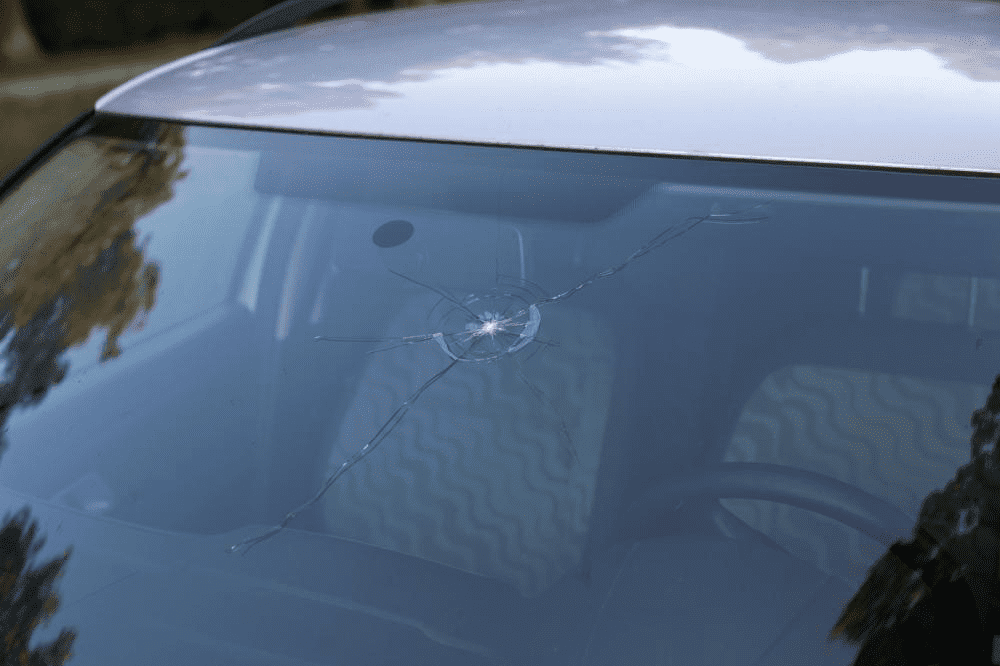
Credit: autoglassinsanantonio.com
What To Do If Your Windshield Cracks
Discovering a crack on your windshield can be stressful. Knowing what to do next helps protect your safety and saves money. Acting quickly can prevent the crack from growing larger and causing more damage.
Immediate Steps
First, stop using your car if the crack blocks your view. Clean the windshield gently to remove dirt and debris. Avoid touching the crack with your fingers. Cover the crack with clear tape to keep dirt out. Drive carefully to a repair shop as soon as possible.
Repair Vs Replacement
Small chips and cracks can often be repaired. Repairing is cheaper and faster. Larger cracks or those in the driver’s line of sight usually need full replacement. Replacement costs more but restores safety and visibility. A professional can assess the damage and recommend the best option for your windshield.
Frequently Asked Questions
Can Slamming A Door Really Crack A Windshield?
Yes, slamming a door can cause vibrations strong enough to crack a windshield, especially if the glass is already weak or damaged.
What Factors Increase Windshield Crack Risk From Door Slamming?
Older windshields, existing chips, and poor installation make cracks more likely when a door is slammed forcefully.
How To Prevent Windshield Damage From Slamming Doors?
Close doors gently and avoid excessive force. Regularly inspect your windshield for chips or cracks and repair them promptly.
Is Windshield Damage From Door Slamming Covered By Insurance?
Coverage depends on your policy. Some comprehensive plans cover accidental glass damage, including cracks from slamming doors.
Conclusion
Slamming a door might seem harmless, but it can cause windshield cracks. The force from a slammed door creates vibrations that travel through the car. These vibrations can weaken the glass over time. Small chips or existing damage make the windshield more likely to crack.
Taking care when closing doors helps protect your windshield. Avoid slamming doors to keep your glass safe and strong. Simple actions can prevent costly repairs and keep your car in good shape.
Leave a Reply