
Your car glass plays a big role in your safety and driving experience. When it’s dirty or streaky, it can block your view and cause distractions.
You want your windows and windshield crystal clear every time you get behind the wheel. But how do you clean car glass properly without leaving smudges or damaging the surface? You’ll discover simple, effective tips that anyone can follow. By the end, you’ll know exactly what to do to keep your car glass spotless and improve your driving comfort.
Let’s get started!
Choosing The Right Cleaning Tools
Cleaning car glass well starts with choosing the right tools. The tools make the job easier and give better results. Using poor tools can leave streaks or scratches. Proper tools help keep the glass clear and safe for driving.
Two main tools matter most: cloths and cleaning solutions. Each has a special role in cleaning. Picking the right ones means less effort and a shiny finish. Let’s explore what works best for your car glass.
Best Cloths And Towels
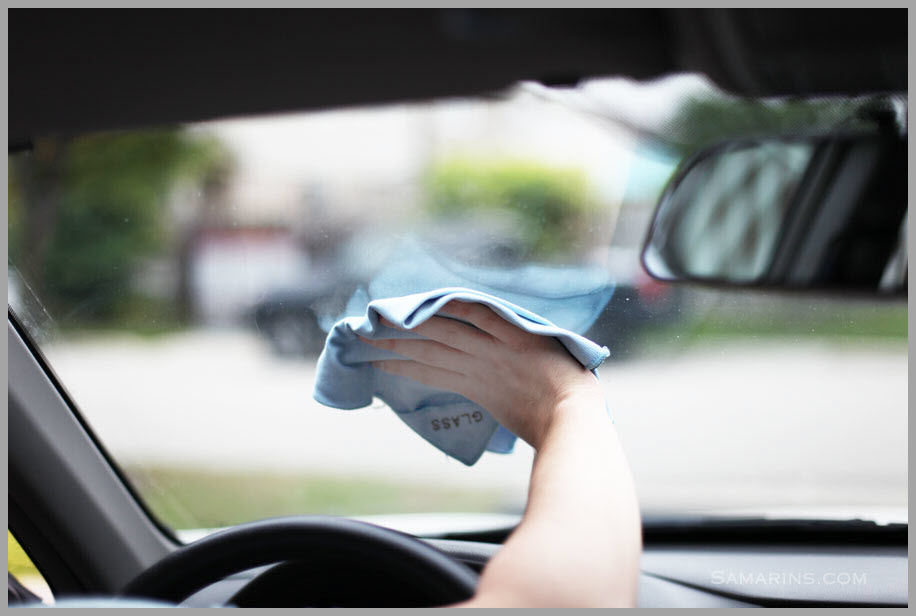
Microfiber cloths are the top choice for cleaning car glass. They are soft and do not scratch the surface. These cloths trap dirt well, so they clean without pushing dirt around.
Choose cloths that are clean and dry. Avoid using old rags or paper towels. Those can leave lint or marks on the glass. Use separate cloths for washing and drying. This stops dirt from spreading.
Effective Cleaning Solutions
Use a mild, ammonia-free glass cleaner for car windows. Strong chemicals can damage window tint or rubber seals. A simple mix of water and vinegar also works well. It removes grime and leaves glass clear.
Spray the cleaner lightly on the glass or cloth. Avoid soaking the glass to prevent streaks. Use circular motions to clean, then wipe dry with a microfiber cloth. This method gives a clear, streak-free finish.
Preparing The Car Glass
Preparing the car glass is the first step to a clear, streak-free finish. Dirt and grime can block your view and make cleaning harder. Cleaning the glass properly starts with removing loose dirt and dust. Next, focus on stubborn stains that need extra care.
Removing Loose Dirt And Dust
Begin by wiping the glass with a soft brush or cloth. This removes dust and small particles. Use gentle strokes to avoid scratching the glass. Avoid using dry cloths only, as they can spread dust around. A damp microfiber cloth works best to catch dirt. Clean all corners and edges where dust gathers.
Handling Stubborn Stains
Stubborn stains like bird droppings or sap need special attention. Soften the stains first by spraying water or a glass cleaner. Let it sit for a minute to loosen the dirt. Then, gently scrub with a soft cloth or sponge. Avoid harsh scrubbing to protect the glass surface. Repeat if the stain does not come off easily. Use a dedicated glass cleaner for tough spots to ensure clear results.
Step-by-step Cleaning Process
Cleaning car glass properly improves visibility and safety. Follow a clear, simple process to get spotless windows. Use the right tools and techniques for best results.
Applying Cleaner Correctly
Spray a small amount of glass cleaner onto the surface. Avoid soaking the glass to prevent drips. Use a cleaner made for automotive glass. This removes dirt without harming the glass or tint.
Using Circular Motions
Use a clean microfiber cloth to wipe the glass. Move the cloth in small circles to lift dirt. Circular motions help avoid streaks and spots. Focus on areas with bugs or grime buildup.
Drying Without Streaks
Use a dry microfiber cloth to finish drying the glass. Wipe in straight lines from top to bottom. This method stops streaks from forming. Check the glass from different angles for clarity.

Credit: www.youtube.com
Cleaning Interior Glass Surfaces
Cleaning interior glass surfaces in your car is important for clear visibility and safety. Dirt, fingerprints, and smoke stains can build up inside the windows. This makes driving harder and less safe. Proper cleaning removes these marks and keeps the glass spotless.
Use the right tools and methods to avoid streaks and damage. Soft cloths and gentle cleaners work best for interior glass. Avoid harsh chemicals that can harm the glass or leave residue behind.
Avoiding Fog And Residue
Fog and residue block your view and cause distractions. Use a microfiber cloth to wipe the glass gently. Spray a small amount of glass cleaner on the cloth, not directly on the glass. This prevents drips and streaks. Wipe in circular motions for best results.
Use an anti-fog spray or a small dab of shaving cream on the inside glass. Buff it lightly to create a thin, clear layer. This stops fog from forming on cold or humid days. Clean regularly to keep the glass clear and safe.
Safe Techniques For Tinted Windows
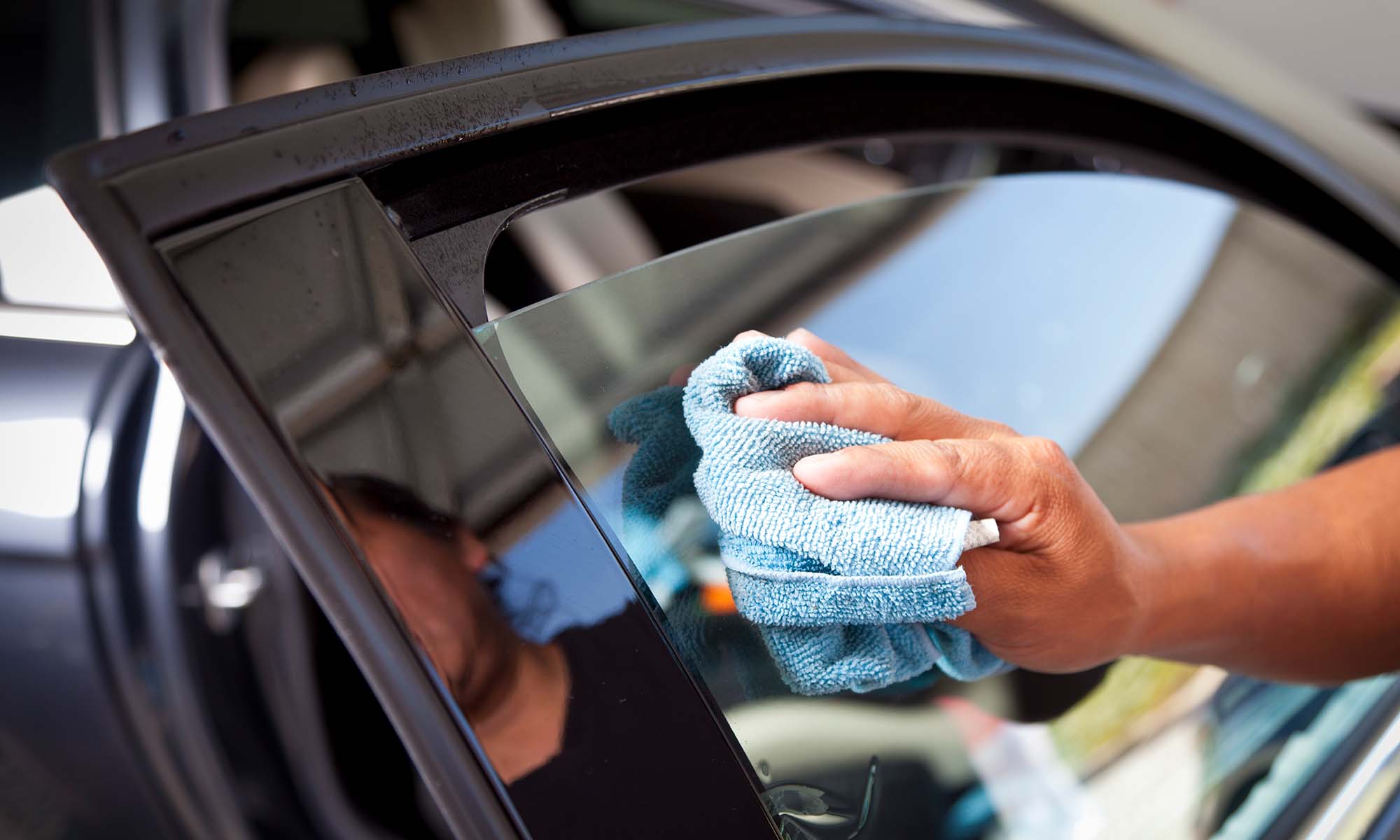
Tinted windows need special care. Avoid ammonia-based cleaners. These can damage the tint film and cause bubbles or cracks. Use a mild soap and water solution or a cleaner designed for tinted glass.
Apply the cleaner to a soft cloth, not the window. Wipe gently and avoid scrubbing. Dry with a clean microfiber cloth to prevent streaks. Regular cleaning keeps tint looking new and protects it from damage.
Maintaining Clear Glass Between Washes
Keeping your car glass clear between full washes saves time and effort. Dirt, dust, and water marks can build up quickly. Regular care helps maintain visibility and safety. It also keeps your car looking neat every day.
Quick Daily Wipes
Use a clean microfiber cloth for daily glass wipes. It removes light dust and smudges fast. Avoid paper towels; they can scratch the glass. Spray a small amount of glass cleaner or water on the cloth. Wipe the glass in straight lines to avoid streaks. This simple step keeps your windows clear with little effort.
Preventing Water Spots
Water spots form when droplets dry and leave mineral marks. These spots can be hard to remove later. Wipe your glass dry after rain or washing. Use a soft, absorbent cloth to avoid scratches. Applying a water-repellent product helps water bead off glass. This prevents spots and keeps your view clear longer.
Credit: cleanmycar.ca
Common Mistakes To Avoid
Cleaning car glass seems simple but many make mistakes that harm the glass. These errors can leave streaks, scratches, or damage the surface. Avoiding common mistakes helps keep your glass clear and safe. Here are two key mistakes to watch out for.
Using Harsh Chemicals
Strong chemicals can damage car glass and surrounding areas. Avoid cleaners with ammonia or bleach. These can harm tint and rubber seals. Choose mild, glass-specific cleaners instead. They clean well without causing damage.
Cleaning In Direct Sunlight
Cleaning glass under the hot sun dries the cleaner too fast. This causes streaks and spots. Work in the shade or during cooler times. A slow drying process ensures a clear, smooth finish.
Credit: www.endurancewarranty.com
Frequently Asked Questions
How Often Should I Clean My Car Glass?
Clean your car glass at least once a week. Frequent cleaning prevents dirt buildup and improves visibility. Regular maintenance also extends the glass’s lifespan and enhances driving safety, especially in changing weather conditions.
What Is The Best Cleaner For Car Glass?
Use a dedicated automotive glass cleaner or a mixture of vinegar and water. Avoid ammonia-based cleaners, which can damage tint films. Always choose a streak-free formula for clear, spotless results.
How Do I Prevent Streaks On Car Glass?
Use a microfiber cloth and clean in circular motions. Avoid cleaning in direct sunlight, which causes quick drying and streaks. Dry the glass thoroughly to ensure a clear, streak-free finish.
Can I Use Household Glass Cleaner On Car Windows?
Household cleaners may contain ammonia, harmful to car window tint. It’s better to use cleaners specifically designed for automotive glass. These products protect tint and provide a clear, streak-free surface.
Conclusion
Cleaning car glass properly keeps your view clear and safe. Use the right tools and cleaners for the best results. Regular cleaning stops dirt and streaks from building up. Clean glass also helps avoid accidents by improving visibility. Take time to wipe edges and corners carefully.
Small efforts make a big difference in driving safety. Keep your car glass spotless for a smoother, safer ride. Simple habits protect your car and your eyes on the road. Clear glass means confident driving every time.
Leave a Reply