
Are your car windows and mirrors looking streaky or foggy? Clear windows and mirrors aren’t just about good looks—they keep you safe by giving you a sharp view of the road.
You might think cleaning them is tricky or time-consuming, but with the right tips, you can make them spotless in no time. Keep reading, and you’ll discover simple, effective ways to clean your car’s glass surfaces so you can drive with confidence and style.
Choosing The Right Cleaning Supplies
Choosing the right cleaning supplies makes car window and mirror cleaning easier and more effective. Using proper tools helps avoid streaks and scratches. It saves time and keeps surfaces clear for better visibility. Let’s explore the best options for glass cleaners, cloths, and special tools.
Best Glass Cleaners For Cars
Car glass cleaners differ from regular ones. They remove dirt, grease, and bugs without leaving residue. Look for ammonia-free formulas to protect window tint. Some cleaners also reduce fogging inside the car. Spray the cleaner directly on the glass or on a cloth for better control.
Microfiber Cloths Vs Paper Towels
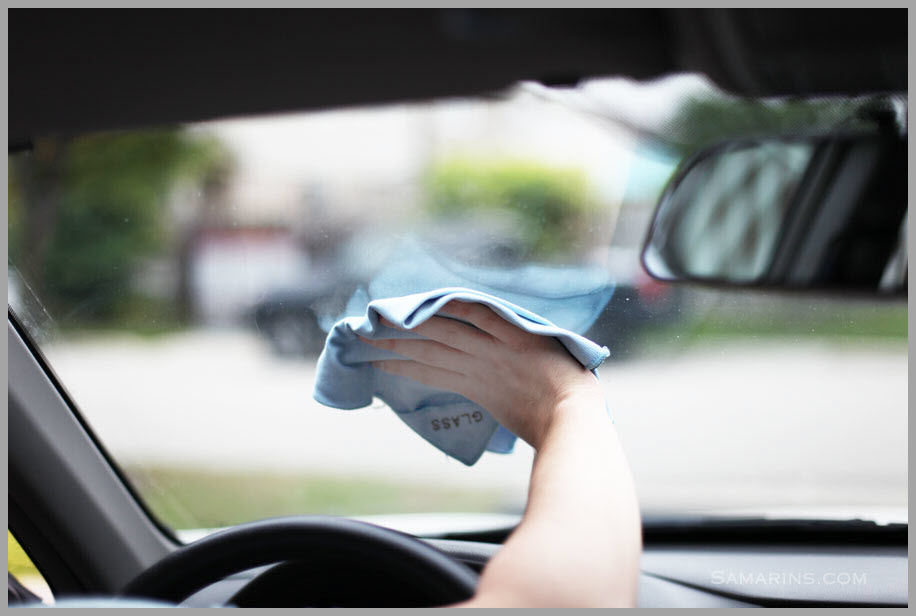
Microfiber cloths are soft and absorbent. They catch dirt and dust without scratching glass. Paper towels can leave lint and streaks behind. Microfiber cloths also dry windows faster. Wash and reuse microfiber cloths to save money and reduce waste.
Tools For Hard-to-reach Areas
Small crevices need special tools for thorough cleaning. Use foam swabs or cotton buds for corners and edges. A soft brush helps remove dirt from mirror frames and seals. Extendable squeegees reach tall or wide windows easily. These tools keep every part clean and clear.
Credit: cleanmycar.ca
Preparing Your Car For Cleaning
Preparing your car for cleaning is a key step to get clear windows and mirrors. Proper preparation makes cleaning easier and prevents dirt from spreading. A clean surface helps the cleaner work better.
Start by clearing away loose dust and debris. This prevents scratching the glass during cleaning. Also, protect the inside of your car from water and cleaner spills. These small steps save time and effort.
Removing Dust And Debris
Use a soft brush or microfiber cloth to remove dust. Wipe gently to avoid scratching glass surfaces. Pay close attention to window edges and corners. These spots often collect dirt that can smear when wet.
Check mirrors carefully for dust and bugs. Removing them first keeps the mirrors clear after cleaning. Avoid harsh scrubbing that can damage glass or mirror coatings.
Protecting Interior Surfaces
Close windows tightly to keep water out. Cover dashboard and door panels with a cloth or plastic sheet. This protects against cleaner drips and water splashes.
Use painter’s tape or masking tape around window seals. It stops cleaner from seeping inside the car. This step keeps interior surfaces dry and clean during the process.
Cleaning Car Windows Step-by-step
Cleaning car windows step-by-step makes the job easier and more effective. Clear windows improve driving safety and enhance your car’s look. Follow simple steps to clean both outside and inside surfaces.
Exterior Window Cleaning Techniques
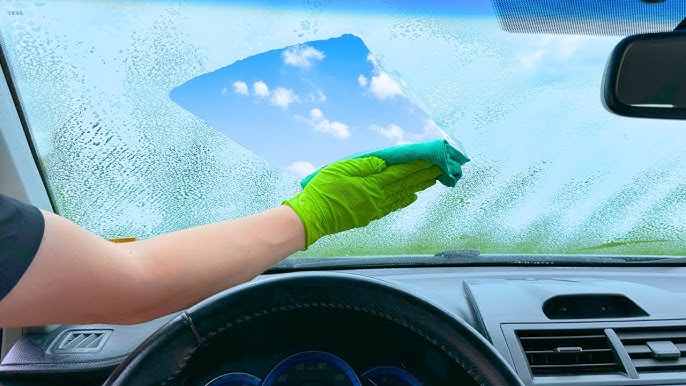
Start by rinsing the windows with water to remove loose dirt. Use a soft sponge or microfiber cloth with glass cleaner. Wipe in horizontal strokes to cover all areas. Pay extra attention to corners and edges. Avoid harsh scrubbing to prevent scratches. Rinse again with clean water to remove cleaner residue. Dry with a clean microfiber towel for a clear finish.
Interior Window Cleaning Tips
Use a glass cleaner safe for indoor use or a mix of water and vinegar. Spray lightly to avoid drips on the dashboard or upholstery. Wipe with a clean microfiber cloth in vertical strokes. Focus on removing fingerprints and smudges. Open the doors for better ventilation to avoid fogging. Repeat if needed to get a clear view through the glass.
Avoiding Streaks And Smudges
Choose the right cleaner and cloth for a streak-free shine. Avoid paper towels; they leave lint and streaks. Work in the shade or cooler parts of the day to prevent fast drying. Use circular motions followed by straight strokes for even cleaning. Change cloths if they become dirty or wet. Finish with a dry cloth to polish and remove any leftover marks.
Credit: www.youtube.com
Cleaning Car Mirrors Effectively
Cleaning car mirrors is essential for safe driving. Clear mirrors help you see better and avoid accidents. Dirt, water spots, and grime can block your view. Regular cleaning keeps mirrors spotless and shiny. Follow simple steps to clean mirrors effectively and quickly.
Removing Water Spots And Grime
Start by rinsing the mirrors with water. Use a soft cloth or sponge to wipe away loose dirt. For water spots, apply a mixture of vinegar and water. Spray it gently on the mirror surface. Let it sit for a few minutes to dissolve spots. Wipe with a clean microfiber cloth in a circular motion. Avoid harsh scrubbing to prevent scratches. Repeat if spots remain until the mirror looks clear.
Polishing For Extra Shine
After cleaning, polish the mirrors for a bright finish. Use a small amount of glass cleaner or a polish made for car mirrors. Apply with a soft cloth using light, circular strokes. This removes streaks and adds shine. Buff the surface until it feels smooth and looks glossy. Polishing also helps protect mirrors from future dirt buildup. Clean, shiny mirrors improve visibility and safety on the road.
Dealing With Tough Stains And Residue
Tough stains and residue on car windows and mirrors can block your view. These spots need special care to clear safely. Cleaning them right keeps your glass clear and scratch-free. Use gentle methods and the right tools for best results.
Removing Bug Splatter And Tree Sap
Bug splatter and tree sap stick hard to glass. Soften these spots before wiping. Spray a glass cleaner or rubbing alcohol on the stains. Let it sit for a few minutes. Use a soft cloth or sponge to wipe gently. Avoid scraping, which can scratch your glass. Repeat if any residue remains. This method loosens sticky substances without damage.
Handling Hard Water Spots
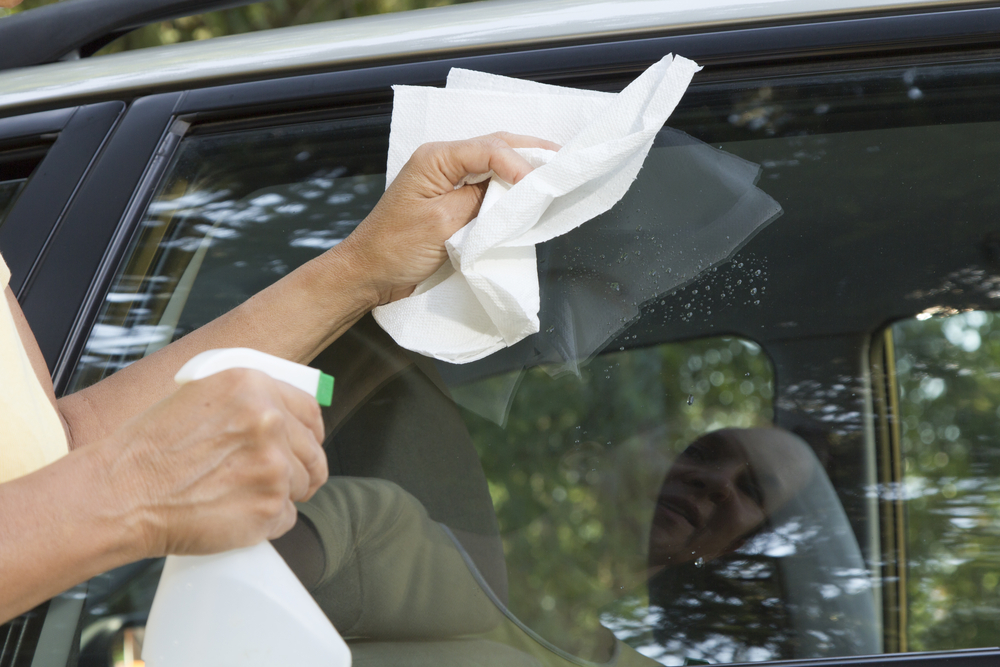
Hard water spots leave white marks on windows and mirrors. These spots form from minerals in water. Use vinegar diluted with water to clean them. Spray the mixture on the spots and wait five minutes. Wipe with a clean, soft cloth in a circular motion. Rinse with plain water afterward. Dry the surface with a microfiber cloth. This removes mineral buildup and brightens glass.
Credit: www.championautoglass.com.au
Maintaining Sparkling Windows And Mirrors
Maintaining sparkling car windows and mirrors improves safety and appearance. Clean glass gives clear views and reduces glare. Dust, dirt, and water spots can build up fast. Regular care keeps surfaces bright and easy to see through. Simple steps make a big difference in your car’s look and your driving experience.
Regular Cleaning Schedule
Set a routine to clean windows and mirrors every two weeks. Use a soft cloth and a gentle glass cleaner. Wipe in circular motions to avoid streaks. Clean both inside and outside surfaces. Check for spots after drying and polish with a dry cloth. Regular cleaning stops dirt from hardening and damaging the glass.
Protective Treatments To Consider
Apply water-repellent treatments to windows and mirrors. These products help rainwater slide off quickly. This keeps glass clearer in bad weather. Use anti-fog sprays inside the car to stop mist. Protective coatings reduce dust and grime buildup. Reapply treatments every few months for best results.
Safety Tips During Cleaning
Cleaning car windows and mirrors improves visibility and safety on the road. Doing it safely protects your car and yourself. Follow simple safety tips to avoid damage and harm during cleaning. These tips help keep your car’s appearance and function in top shape.
Avoiding Damage To Window Tint
Window tint can be delicate. Use only cleaning products that are safe for tinted glass. Avoid ammonia-based cleaners as they can peel or discolor tint. Use a soft microfiber cloth to prevent scratches. Clean gently in circular motions to protect the film. Avoid sharp tools or scrapers on tinted windows.
Safe Use Of Cleaning Chemicals
Choose mild, non-toxic cleaning solutions for car windows and mirrors. Read labels carefully to avoid harmful ingredients. Wear gloves to protect your skin from irritation. Work in a well-ventilated area to reduce fumes. Never mix different cleaning chemicals; this can create dangerous gases. Store cleaning products safely away from children and pets.
Frequently Asked Questions
How Often Should I Clean Car Windows And Mirrors?
Clean your car windows and mirrors every two weeks. Frequent cleaning improves visibility and safety while driving. Regular maintenance prevents buildup of dirt and grime, ensuring clear views.
What Is The Best Solution For Cleaning Car Windows?
Use a mixture of water and vinegar or a commercial glass cleaner. Avoid ammonia-based products as they can damage window tint. Always use a microfiber cloth for streak-free results.
How Do I Remove Stubborn Stains From Car Mirrors?
Apply a small amount of rubbing alcohol on a cloth. Gently rub the stain until it lifts. Avoid harsh scrubbing to prevent scratches or damage to the mirror surface.
Can I Use Household Glass Cleaner On Car Windows?
Yes, but ensure it is ammonia-free. Ammonia can damage tint films and rubber seals. Choose a product specifically designed for automotive glass for best results.
Conclusion
Cleaning car windows and mirrors keeps your view clear and safe. Use simple tools like microfiber cloths and gentle cleaners. Wipe in circular motions to avoid streaks. Regular cleaning stops dirt from building up. Clean mirrors help you see better on the road.
Small efforts save you from big problems later. Stay consistent and make cleaning part of your routine. Clear windows and mirrors mean safer driving every time. Easy steps lead to better visibility and peace of mind.
Leave a Reply