Have you ever wondered how the glass in your car keeps you safe every time you hit the road? It’s not just about letting you see clearly—it’s about protecting you from serious harm.
The right kind of glass can save your life in an accident, shield you from flying debris, and even keep you secure during sudden stops. Understanding how glass safety works can give you peace of mind every time you drive.
Keep reading to discover the surprising ways your car’s glass guards you and why it matters more than you might think.

Credit: www.amazon.com
Types Of Safety Glass In Vehicles
Vehicles use special glass to keep drivers safe during accidents. This glass is different from regular glass. It is made to reduce injuries and protect passengers. Two main types of safety glass are common in cars. Each type has unique features and benefits.
Laminated Glass Features
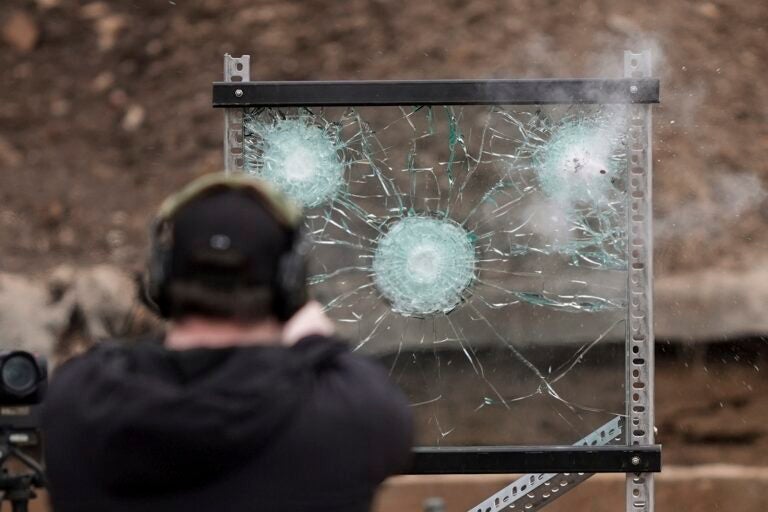
Laminated glass is made by sandwiching a plastic layer between two glass sheets. This plastic layer holds the glass together if it breaks. The glass cracks but does not shatter into sharp pieces. It stays mostly in one piece, reducing the risk of cuts.
Laminated glass also blocks harmful UV rays. This helps protect the skin and the car’s interior. It is mostly used for windshields because it provides strong protection against impacts. It also helps keep passengers inside the vehicle during accidents.
Tempered Glass Benefits
Tempered glass is made by heating regular glass and then cooling it quickly. This process makes the glass stronger than normal glass. When it breaks, it shatters into small, dull pieces. These pieces are less likely to cause injury.
Tempered glass is often used for side and rear windows. It provides good visibility and safety. This glass can resist heat and pressure well. It also helps protect the vehicle from theft by breaking into small pieces quickly.
Impact Resistance And Driver Protection
Impact resistance plays a key role in protecting drivers during accidents. Car glass is designed to absorb and spread out the force of a collision. This reduces the chance of the glass breaking suddenly and causing harm. Strong glass keeps drivers safer by standing up to heavy impacts.
Driver protection depends heavily on how the glass behaves in a crash. Modern safety glass helps keep the driver inside the vehicle and prevents sharp pieces from flying. This safety feature lowers the risk of serious injury or death. Impact-resistant glass is a vital part of car safety systems.
Reducing Injury From Collisions
Impact-resistant glass lowers the chance of cuts and bruises. It absorbs crash energy to protect the driver from hitting sharp edges. The glass stays mostly intact instead of shattering into large dangerous pieces. This helps reduce wounds caused by broken glass during a crash.
Strong glass also stops the driver from being pushed out of the car. It acts as a barrier to keep the person inside the vehicle. Staying inside is often safer during a collision and can prevent fatal injuries. Cars with tough glass offer better overall protection to drivers.
Preventing Glass Shards
Safety glass is made to break safely. Instead of sharp shards, it cracks into small, dull pieces. This lowers the chance of deep cuts or eye injuries. The glass often has a plastic layer that holds pieces together.
This plastic layer keeps the glass from flying apart. It holds shards in place even after breaking. Drivers and passengers avoid dangerous glass fragments that could cause harm. Preventing shards is essential for reducing injuries in accidents.
Visibility And Glare Reduction
Visibility and glare reduction are key factors in keeping drivers safe on the road. Clear vision helps drivers see obstacles, signs, and other vehicles faster. Reducing glare lowers eye strain and prevents temporary blindness caused by bright lights. Together, these features improve focus and reaction time.
Enhancing Driver Vision
Glass safety technologies use special coatings and tints to improve clarity. These features cut down reflections and increase contrast. Drivers can spot hazards more easily, even in low light or bad weather. Better vision means fewer accidents and safer trips.
Minimizing Distractions
Glare from sunlight or headlights can distract drivers and slow reactions. Safety glass reduces these distractions by filtering harsh light. This helps drivers keep their attention on the road. A focused driver makes smarter decisions and avoids crashes.
Credit: whyy.org
Uv Protection And Health Benefits
UV protection in car glass plays a key role in keeping drivers safe and healthy. It blocks harmful ultraviolet rays from the sun. This protection helps reduce risks of skin damage and eye problems. Drivers enjoy a more comfortable and safer ride with UV-blocking glass.
Shielding Against Harmful Rays
Car glass with UV protection stops most ultraviolet rays. These rays can cause skin burns and long-term damage. UV rays are invisible but very strong. The glass acts as a shield, preventing these rays from entering the car. This reduces the chance of sun-related health issues for drivers.
Protecting Skin And Eyes
UV protection helps keep skin healthy by blocking rays that cause wrinkles and sunburn. It lowers the risk of skin cancer for people who spend time driving. Eyes also benefit from UV-blocking glass. It prevents eye strain and reduces the risk of cataracts. This means safer vision and better comfort on the road.
Noise Reduction And Comfort
Glass safety plays a big role in making driving quieter and more comfortable. It blocks outside noise and helps keep the car cabin peaceful. This makes the ride less tiring and more relaxing for drivers.
Dampening Road Noise
Special glass absorbs sound from the road and wind. It stops loud noises from reaching the driver’s ears. This reduces distractions and stress during driving. Thicker and laminated glass types work best to cut noise. Quiet glass helps drivers focus better on the road.
Improving Driving Experience
Less noise means a calm and pleasant drive. Drivers feel less tired and can stay alert longer. The glass also keeps the temperature steady inside the car. This adds to comfort and safety. Quiet rides make driving more enjoyable every day.

Credit: www.glassesindia.com
Technological Advances In Safety Glass
Safety glass has evolved a lot in cars. New technology makes glass stronger and smarter. These changes protect drivers better during accidents and daily drives. Safety glass now does more than just block wind and debris. It helps improve visibility and driver awareness.
Smart Glass Innovations
Smart glass can change its tint. It darkens in bright sunlight. This helps reduce glare. Drivers see the road clearly without squinting. Some smart glass can heat up to clear fog or ice quickly. This keeps the windshield clear and safe. It also blocks harmful UV rays, protecting the driver and passengers.
Integration With Driver Assistance Systems
Modern safety glass works with driver assistance technology. Sensors and cameras are built into the glass. They monitor road conditions and traffic. These systems warn drivers about obstacles or lane changes. The glass acts as a display for alerts too. This integration helps drivers stay aware and avoid accidents.
Maintenance Tips For Safety Glass
Maintaining safety glass in your vehicle is essential for driver protection. Proper care ensures clear vision and strong glass performance during accidents. Regular upkeep helps avoid costly repairs and dangerous driving conditions.
Regular Inspection Guidelines
Check your vehicle’s safety glass often. Look for cracks, chips, or scratches. Even small damages can weaken the glass. Clean the glass gently with mild soap and water. Avoid harsh chemicals that may harm the glass surface. Inspect seals around the glass to prevent leaks. Make sure the glass fits tightly without gaps. Pay attention to any unusual noises or vibrations while driving.
When To Replace Glass
Replace safety glass if cracks spread quickly or cover large areas. Small chips near the driver’s line of sight also need attention. Damage that affects glass strength can cause injury in crashes. Cloudy or scratched glass reduces visibility and increases risk. Broken seals causing fog or water inside glass require replacement. Always choose certified glass for replacements to ensure safety. Quick action preserves your safety and driving comfort.
Frequently Asked Questions
What Is Glass Safety In Vehicles?
Glass safety involves using specially treated glass to reduce injury risks during accidents. It prevents sharp shards and maintains structural integrity, protecting drivers and passengers.
How Does Laminated Glass Protect Drivers?
Laminated glass has a plastic layer between glass sheets. It holds together when shattered, preventing shards from causing injuries and maintaining visibility during crashes.
Why Is Tempered Glass Used In Car Windows?
Tempered glass is heat-treated to increase strength. It breaks into small, blunt pieces, reducing the risk of serious cuts during accidents or impacts.
How Does Glass Safety Improve Driver Visibility?
Safety glass reduces glare and resists scratches, ensuring clear vision. Better visibility helps drivers react faster and avoid potential hazards on the road.
Conclusion
Glass safety plays a key role in protecting drivers every day. Strong, clear glass helps prevent accidents and injuries. It keeps drivers safe from flying debris and sharp objects. Proper glass also improves visibility in bad weather. Cracks and chips can cause serious risks.
Drivers should always repair or replace damaged glass quickly. Safe glass gives peace of mind on the road. It supports safer driving and fewer crashes. Think of glass safety as a driver’s quiet guardian. It works hard to keep every trip secure and smooth.
Leave a Reply