
Have you ever thought about how your car’s glass does more than just let you see the road? The glass in your vehicle plays a crucial role in keeping you safe and supporting the entire structure of your car.
When you understand how glass safety works, you’ll see why choosing the right glass matters for your protection. Keep reading to discover the surprising ways your vehicle’s glass supports its strength and keeps you secure every time you drive.
Role Of Glass In Vehicle Structure
Glass plays a vital role in the structure of modern vehicles. It does more than just let drivers see outside. Vehicle glass adds strength and safety to the car’s frame. It helps protect passengers in crashes and supports the overall shape of the vehicle.
Automotive glass must meet strict safety and durability standards. It works with other parts of the car to create a strong, safe environment. Understanding the types and functions of vehicle glass reveals its importance in vehicle design.
Types Of Automotive Glass
Two main types of glass are used in vehicles: laminated and tempered. Laminated glass has a plastic layer between two glass sheets. This design keeps the glass from shattering on impact. It is commonly used for windshields.
Tempered glass is heated and cooled rapidly. This process makes it strong and causes it to break into small, less dangerous pieces. Tempered glass is often used for side and rear windows.
Glass As A Structural Component
Vehicle glass adds to the car’s structural integrity. The windshield, for example, supports the roof and helps prevent collapse during rollovers. It also helps distribute forces in a crash, reducing damage to the vehicle.
Strong glass improves passenger protection by absorbing impact energy. It works with seat belts and airbags to keep people safe. This makes the glass a key part of the car’s safety system.
Integration With Vehicle Frame
Glass is carefully fitted into the vehicle frame. Adhesives and seals bond the glass firmly to metal parts. This connection strengthens the overall frame and prevents leaks or rattling.
The tight integration also helps keep the vehicle stiff. A stiffer frame improves handling and safety. Proper installation ensures the glass performs its structural and protective roles well.
Materials Enhancing Glass Strength
Glass in vehicles must be strong and safe. Special materials make car glass tough. These materials help glass hold up during impacts. They also protect passengers inside. Understanding these materials shows how glass supports vehicle structure.
Tempered Glass Features
Tempered glass is heated and cooled quickly. This process makes it stronger than normal glass. It resists breaking and can handle heavy pressure. If it breaks, it shatters into small, dull pieces. This reduces the chance of injury inside the car. Tempered glass is often used for side and rear windows.
Laminated Glass Benefits
Laminated glass has two layers of glass with plastic in between. This plastic layer holds the glass together if it breaks. It keeps the glass from falling apart. Laminated glass improves safety by stopping sharp shards. It also helps keep the roof strong during accidents. This type is usually used for windshields.
Innovative Glass Technologies
New technologies make vehicle glass smarter and safer. Some glass types can block heat and UV rays. Others include sensors for rain or light. These features improve comfort and driver awareness. Advanced coatings increase strength and reduce glare. These innovations enhance both safety and vehicle design.
Impact On Vehicle Safety
Glass safety plays a key role in protecting vehicle passengers during crashes. It supports the vehicle structure and helps reduce injuries. Strong, well-designed glass can absorb impact and keep people inside the car. This section explains how glass safety impacts overall vehicle safety.
Protection Against Impacts
Safety glass is made to resist breaking easily. It absorbs force during collisions, reducing the risk of sharp shards. Laminated glass holds together, even when cracked, protecting passengers from cuts. This strength helps keep the vehicle’s frame stable under pressure. It acts as a shield against flying objects and debris.
Prevention Of Ejection
Glass safety prevents passengers from being thrown out during crashes. Intact glass acts as a barrier, keeping people inside the vehicle. This reduces the chance of severe injuries or death. Modern safety glass remains in place, even after impact. This support is crucial for occupant protection in accidents.
Support During Rollovers
In rollovers, safety glass helps maintain the vehicle’s shape. It adds strength to the roof and sides, preventing collapse. This support protects passengers from being crushed inside. Well-installed safety glass helps keep the cabin intact. It makes rollovers less dangerous for everyone inside.

Credit: safti.com
Glass And Security Measures
Vehicle glass plays a crucial role in security. It helps protect passengers and valuable items inside the car. Strong glass can stop thieves and reduce damage during accidents. Car manufacturers use special glass to improve safety and security.
Anti-theft Glass Solutions
Anti-theft glass is made to resist breaking and cutting. It uses layers of tough materials that hold together even if cracked. This glass slows down thieves trying to smash windows. It acts as a barrier, making theft harder and taking more time.
Resistance To Forced Entry
Security glass offers high resistance to forced entry. It withstands hits from tools like hammers or crowbars. The glass does not shatter easily, which keeps intruders out. This protection helps keep drivers and passengers safe.
Integration With Vehicle Alarms
Vehicle glass can connect with alarm systems. Sensors detect if glass breaks or moves. The alarm sounds immediately to warn the owner. This quick response discourages thieves and alerts nearby people.
Maintenance And Replacement
Maintaining vehicle glass is vital for safety and structure support. Regular checks help spot issues early. Timely replacement prevents bigger problems. Proper care keeps the glass strong and reliable.
Signs Of Glass Damage
Look for cracks, chips, or scratches on your glass. Even small damages can weaken the glass. Distorted vision through the glass is a warning sign. Unusual noises while driving may indicate loose glass.
Professional Repair Techniques
Experts use special tools to fix chips and cracks. They fill cracks with resin to restore strength. Repair avoids the need for full replacement. Professionals ensure repairs do not affect glass clarity.
Importance Of Proper Installation
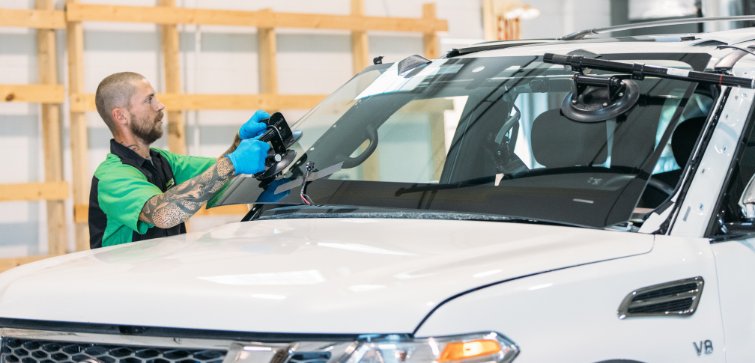
Correct installation is crucial for glass to support structure. Poor fitting can lead to leaks and weak spots. Professionals follow strict guidelines for safety. Proper seals keep the glass firmly in place.

Credit: www.amazon.com
Future Trends In Automotive Glass
The future of automotive glass promises exciting changes. These advances will improve safety and vehicle design. New materials and technology will make glass stronger and smarter. Automotive glass will play a bigger role in how cars protect passengers and interact with drivers.
Innovations in glass will support the growing trend of autonomous vehicles. They will also enhance durability and add new functions that improve driving comfort. Let’s explore key future trends shaping automotive glass.
Smart Glass Innovations
Smart glass can change its tint or opacity on demand. It helps control sunlight and heat inside the car. This reduces glare and keeps the cabin cooler. Smart glass can also increase privacy without curtains or blinds. It uses sensors to adjust automatically based on light conditions. This technology adds comfort and saves energy.
Enhanced Durability Materials
New materials make automotive glass stronger and more resistant. These materials help glass absorb impacts better. They reduce the chance of cracks during accidents. Some glass types can even repair small scratches by themselves. Enhanced durability means better protection for passengers and longer-lasting windows.
Role In Autonomous Vehicles
Autonomous cars rely on sensors and cameras for navigation. Automotive glass will integrate these technologies seamlessly. It will provide clear, distortion-free views for sensors. Glass may also display important information directly to drivers. This supports safer and smarter autonomous driving systems.
Credit: agpmn.com
Frequently Asked Questions
How Does Glass Safety Enhance Vehicle Structural Integrity?
Glass safety adds strength to the vehicle frame by distributing impact forces. Laminated and tempered glass resist shattering, maintaining cabin stability during crashes. This helps protect passengers and supports the vehicle’s overall durability.
What Types Of Safety Glass Are Used In Vehicles?
Vehicles primarily use laminated glass for windshields and tempered glass for side and rear windows. Laminated glass holds together upon impact, while tempered glass shatters into small, less harmful pieces. Both types improve passenger safety and vehicle structure.
Why Is Laminated Glass Important For Vehicle Safety?
Laminated glass prevents glass shards from flying during an accident, reducing injury risk. It also maintains windshield integrity, supporting roof strength in rollovers. This type of glass is crucial for both safety and structural support.
Can Safety Glass Reduce Injury During Vehicle Crashes?
Yes, safety glass minimizes injury by controlling how glass breaks. Laminated glass stays intact, preventing ejection, while tempered glass crumbles safely. This reduces cuts and protects occupants during collisions.
Conclusion
Glass safety plays a key role in keeping vehicles strong and secure. It helps protect passengers during accidents by holding glass pieces together. Strong glass adds to the car’s overall structure and prevents injury from sharp shards. Modern safety glass also improves visibility and reduces damage risks.
Choosing vehicles with quality safety glass means better protection for everyone inside. Safe glass supports the frame, making cars safer on the road. This simple feature can make a big difference in vehicle safety and passenger care.
Leave a Reply