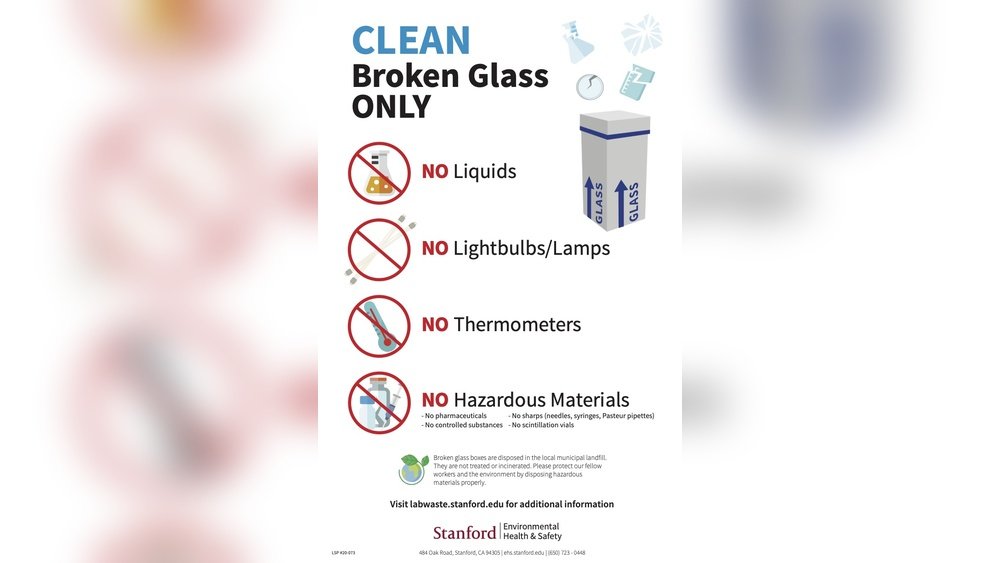
Glass is everywhere—in your home, office, and even your car. But do you know what can put your safety at risk when dealing with glass?
Small mistakes or overlooked habits can lead to dangerous accidents. If you want to protect yourself and those around you, it’s crucial to understand what you should avoid. Keep reading to discover simple yet vital tips that will help you maintain glass safety every day.
Your safety depends on it.

Credit: newlifescientific.com
Common Glass Hazards
Glass is a popular material in homes and offices. It looks nice and lets in light. But glass can also be dangerous. Certain risks can cause injuries or damage. Knowing common glass hazards helps keep everyone safe.
Sharp Edges And Breakage
Sharp edges on glass can cause cuts and wounds. Broken glass is even more dangerous. It can splinter into small, sharp pieces. These pieces can hurt skin and eyes. Always check glass edges and avoid damaged glass.
Improper Installation
Glass that is not installed correctly may fall or break. Loose glass can slip out of frames easily. This leads to accidents and injuries. Proper fitting and secure fixing prevent these problems. Use skilled workers for glass installation.
Incorrect Glass Type Use
Using the wrong type of glass can cause safety issues. Some glass types are not strong enough for certain uses. For example, regular glass may break easily in doors or windows. Tempered or laminated glass is safer for these areas. Always choose the right glass type for the job.

Credit: ehs.princeton.edu
Environmental Risks
Glass is sensitive to many environmental factors that can reduce its strength and safety. Avoiding certain risks helps keep glass intact and prevents accidents. Understanding these risks protects your glass surfaces and structures.
Extreme Temperature Changes
Glass can crack or shatter when exposed to sudden temperature shifts. Hot sun followed by cold rain stresses the material. Avoid placing glass near heat sources or cold drafts. Gradual temperature changes help maintain glass integrity.
Exposure To Harsh Chemicals
Harsh chemicals can damage glass surfaces and weaken them. Strong acids or alkalis cause etching and cloudiness. Use mild cleaners and avoid abrasive substances. Protect glass from spills of cleaning agents or industrial chemicals.
Impact From Heavy Objects
Heavy objects hitting glass can cause cracks or breaks. Even small impacts create weak points over time. Keep heavy tools and furniture away from glass areas. Use protective films or barriers in high-traffic zones.
Maintenance Mistakes
Maintaining glass safety requires careful attention during upkeep. Mistakes in maintenance can weaken glass and cause accidents. Avoiding these errors helps keep glass strong and clear. Learn about common maintenance mistakes to prevent damage.
Using Abrasive Cleaners
Abrasive cleaners scratch glass surfaces easily. These scratches reduce glass strength and clarity. Use soft cloths and mild cleaners instead. Gentle cleaning keeps glass safe and looking good.
Neglecting Regular Inspections
Skipping routine checks lets problems grow unnoticed. Small cracks can spread and cause breaks. Regular inspections catch damage early. Fix issues quickly to maintain glass safety.
Ignoring Minor Damages
Minor chips and cracks seem harmless but are risky. They weaken the glass structure over time. Address even small damage immediately. Early repair prevents bigger safety hazards.
Safety Measures To Avoid Risks
Maintaining glass safety requires careful attention to key measures. Avoiding risks starts with understanding the best practices. These safety steps help prevent accidents and damage. Every detail matters, from selecting materials to regular checks.
Choosing The Right Glass Material
Pick glass designed for safety and strength. Tempered glass resists breaking and shattering. Laminated glass holds together when cracked. Avoid cheap or thin glass that breaks easily. The right choice reduces injury risks significantly.
Proper Handling And Installation
Handle glass with clean gloves to avoid slipping. Always carry glass vertically, not flat. Secure glass firmly during installation. Use appropriate tools to prevent cracks. Poor handling causes chips, cracks, and accidents.
Routine Safety Checks
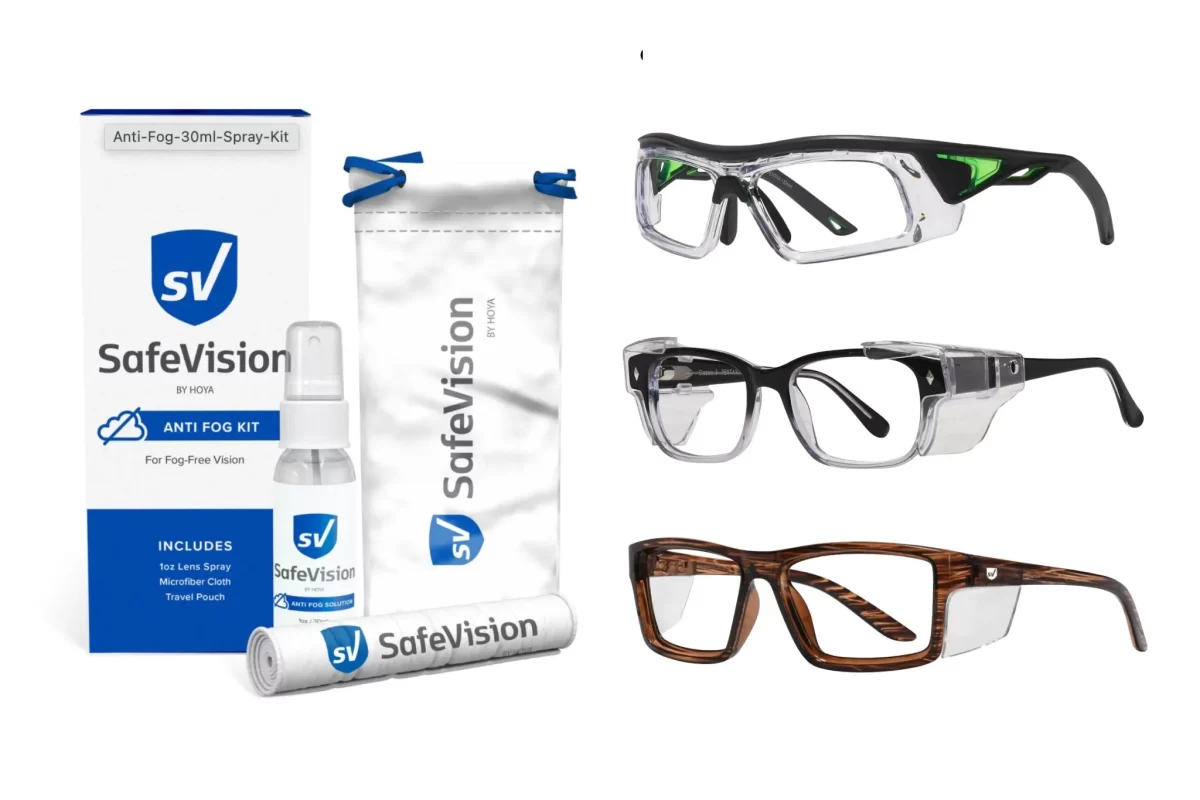
Inspect glass regularly for chips or cracks. Replace damaged glass immediately to avoid danger. Check frames and seals for wear or looseness. Keep glass surfaces clean to spot issues fast. Routine checks catch problems before they grow.
Credit: safevision.com
Frequently Asked Questions
What Common Chemicals Should Be Avoided On Glass Surfaces?
Avoid harsh chemicals like ammonia, bleach, and acids on glass. These substances can cause etching and weaken the glass surface. Use mild, glass-specific cleaners to maintain clarity and safety. Always test any cleaner on a small area before full application.
How Can Extreme Temperatures Affect Glass Safety?
Extreme heat or cold can cause glass to crack or shatter. Avoid placing hot items directly on glass surfaces and prevent sudden temperature changes. Using tempered or heat-resistant glass can improve safety and durability in temperature-sensitive environments.
Why Is Avoiding Impact Important For Glass Safety?
Impacts can cause chips, cracks, or complete breakage in glass. Always handle glass carefully and avoid hitting or dropping heavy objects on it. Installing protective films or using laminated glass can reduce injury risks if breakage occurs.
Can Improper Cleaning Tools Damage Glass Safety?
Yes, abrasive tools like steel wool or rough cloths can scratch glass. Scratches weaken glass integrity and reduce visibility. Use soft microfiber cloths and non-abrasive cleaning solutions to keep glass safe and clear.
Conclusion
Avoiding sharp impacts and extreme temperatures keeps glass safe. Never use glass with cracks or chips. Handle glass gently to prevent breakage. Keep glass clean to spot damage early. Store glass items in secure places. Follow these simple steps to protect yourself and others.
Safe glass use means fewer accidents and injuries. Stay careful and respect glass’s fragile nature. Safety starts with small, smart actions every day.
Leave a Reply