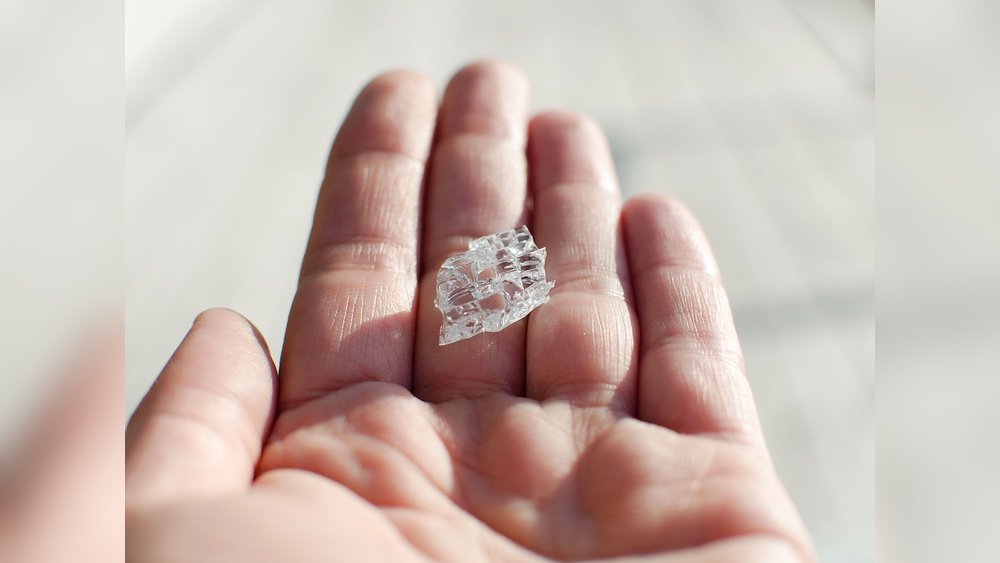
Have you ever wondered if those tiny glass fragments around your home could actually harm you? You might think a small piece of glass is harmless, but the truth is, even the smallest shards can cause serious injuries.
Understanding the risks and how to handle glass fragments safely can protect you and your loved ones from unexpected accidents. Keep reading to discover why glass fragments can be dangerous and what you can do to stay safe.
Types Of Glass Fragments
Glass fragments come in different types. Each type has unique features and risks. Knowing these types helps in handling glass safely. This knowledge is important for home safety and work environments.
Tempered Vs. Regular Glass
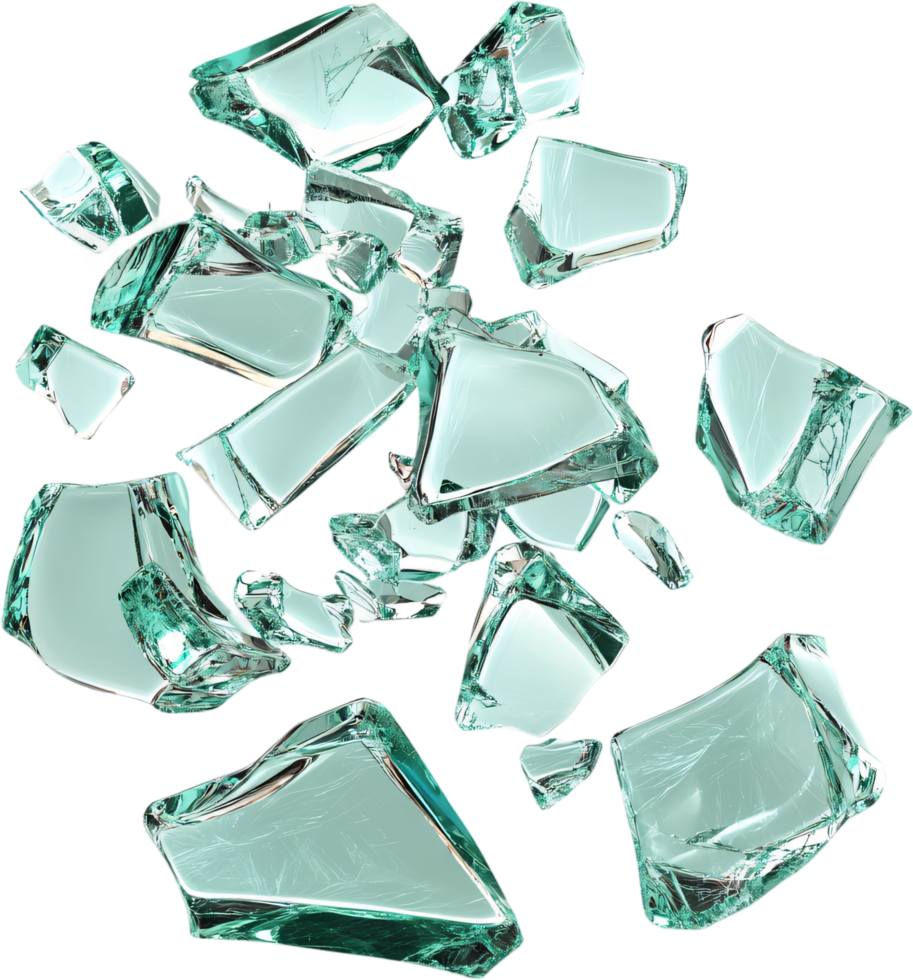
Tempered glass breaks into small, less sharp pieces. It is safer for windows and car windshields. Regular glass breaks into large, sharp shards. These shards can cause serious cuts. Tempered glass is made by heating and cooling quickly. Regular glass is brittle and breaks easily.
Microscopic Vs. Visible Shards
Visible shards are large enough to see and handle. They pose an obvious cut risk. Microscopic shards are tiny and hard to spot. These shards can still cause skin irritation or infection. Microscopic glass fragments can stay on skin or clothes. Careful cleaning is needed to remove them completely.
Physical Dangers Of Glass Shards
Glass shards can cause serious physical harm. They are sharp and can easily cut skin. Even small pieces can lead to painful injuries. Understanding the risks helps prevent accidents and treat wounds properly.
Cuts And Lacerations
Sharp glass pieces can slice through the skin quickly. Cuts can vary from small scratches to deep wounds. Deep lacerations may bleed heavily and need medical care. These injuries often cause pain and discomfort. Prompt cleaning and bandaging reduce infection risk.
Embedded Fragments In Skin
Sometimes, tiny glass fragments get stuck inside the skin. These pieces can be hard to see but cause irritation. Embedded shards may lead to swelling and redness. Removing them carefully is important to avoid further damage. Leaving glass inside the skin can cause long-term problems.
Infections From Glass Wounds
Glass wounds are at risk of infection if not cleaned well. Dirt and bacteria can enter through broken skin. Signs of infection include redness, swelling, and pus. Infections need prompt treatment to stop spreading. Using antiseptics and keeping the wound covered helps healing.
Hidden Health Risks
Glass fragments may seem harmless, but they carry hidden health risks. Small pieces can cause damage beyond cuts. These dangers often go unnoticed until symptoms appear. Understanding these risks helps prevent serious problems.
Toxicity From Coatings Or Chemicals
Some glass has coatings or chemicals on its surface. These substances can be harmful if they enter the body. Tiny glass pieces might carry these toxins into wounds. This can cause infections or allergic reactions. It is important to handle glass fragments carefully. Avoid touching or inhaling dust from broken glass.
Eye Injuries From Tiny Particles
Small glass particles can easily get into the eyes. Even tiny shards cause irritation and pain. They can scratch the cornea, leading to infection or vision problems. Rubbing the eyes only makes damage worse. Always rinse eyes with clean water if glass dust enters. Seek medical help if pain or redness lasts.
Credit: www.vecteezy.com
Common Situations With Glass Hazards
Glass hazards appear in many everyday situations. Small accidents can cause serious injuries. Knowing common places where glass breaks helps prevent harm. Understanding these risks keeps families and workplaces safer.
Broken Windows And Doors
Windows and doors often break from storms or accidents. Shattered glass can scatter sharp pieces everywhere. These fragments can cut skin deeply. Kids and pets are at high risk near broken glass. Cleaning up carefully is very important to avoid injuries.
Accidents With Glassware
Glass cups, plates, and bottles break easily. Dropping glassware can send shards flying around. These pieces can cause cuts on hands and feet. Kitchens and dining areas are common spots for these accidents. Handling glassware with care reduces the risk.
Car Crashes Involving Glass
Car accidents often break windows and windshields. Glass fragments can injure drivers and passengers. Broken glass may cause cuts or eye damage. Emergency responders use special tools to avoid glass injuries. Wearing seat belts helps lower the chance of glass-related harm.
Preventing Injury From Glass
Glass fragments can cause serious injuries. Small pieces can cut the skin deeply and cause bleeding. Preventing injury is important to stay safe around broken glass. Taking the right steps helps avoid accidents and pain.
Safe Cleanup Techniques
Start by clearing the area carefully. Use a broom and dustpan to gather large pieces. Avoid using bare hands to pick up glass. After sweeping, use a damp paper towel to wipe tiny shards. Dispose of the towel immediately to keep others safe. Check the floor again to catch any missed pieces. Clean slowly and watch closely for hidden glass.
Protective Gear Recommendations
Wear thick gloves to protect your hands. Gloves made of leather or heavy rubber work best. Use closed-toe shoes to protect your feet from falling glass. Eye protection like safety goggles stops shards from hitting your eyes. Long sleeves and pants add extra skin protection. Always wear the gear before starting cleanup.
Proper Disposal Methods
Place glass fragments in a strong container before trash disposal. Use a cardboard box or thick plastic container. Mark the container as “broken glass” to warn others. Seal the container tightly with tape to prevent spills. Never throw loose glass directly into the trash. Follow local rules for disposing of sharp objects. Proper disposal prevents injury to waste handlers and others.

Credit: www.dreamstime.com
First Aid For Glass Injuries
Glass injuries can cause pain and bleeding. Knowing first aid helps reduce harm and avoid infection. Act quickly but calmly. Follow safe steps to treat cuts from glass fragments.
Removing Glass Fragments Safely
Do not try to remove deep glass pieces yourself. For small pieces on the skin, wash your hands first. Use tweezers cleaned with alcohol. Gently pull out visible glass. Stop if it hurts or if glass is too deep.
After removing, rinse the area with clean water. Avoid rubbing the wound. Pat dry with a clean cloth. Cover the cut with a sterile bandage to protect it.
When To Seek Medical Help
Go to the doctor if bleeding is heavy and does not stop. Visit if glass is embedded deeply or near the eyes. Watch for signs of infection like redness, swelling, or pus. Seek help if you feel numbness or cannot move the injured part.
Professional care may require stitches or special cleaning. Early treatment helps avoid complications and speeds healing.

Credit: pngtree.com
Frequently Asked Questions
Can Glass Fragments Cause Serious Injuries?
Yes, glass fragments can cause serious injuries like deep cuts, bleeding, and infections. Even small shards can penetrate the skin and damage tissues.
How Can Glass Fragments Affect Health?
Glass fragments can lead to infections if not removed properly. They may cause pain, swelling, and long-term tissue damage.
What First Aid Is Needed For Glass Cuts?
Clean the wound gently, remove visible fragments carefully, and apply antiseptic. Seek medical help for deep or large cuts immediately.
Are Glass Fragments Dangerous For Children And Pets?
Yes, children and pets are at higher risk of injury from glass fragments due to their curious nature and sensitive skin.
Conclusion
Glass fragments can cause serious injuries if not handled carefully. Always wear gloves and clean up broken glass promptly. Keep children and pets away from sharp pieces. Small cuts may seem minor but can get infected quickly. Knowing how dangerous glass fragments are helps you stay safe.
Taking simple steps prevents accidents and pain. Stay alert and treat broken glass with caution every time. Safety matters most when dealing with sharp, hidden glass shards.
Leave a Reply