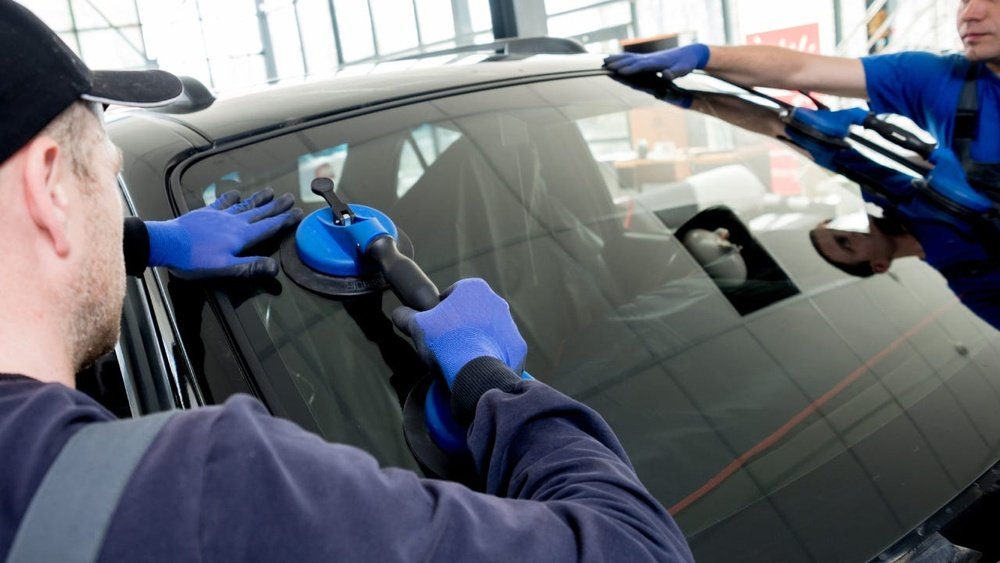
Have you ever wondered if your insurance will cover a full windshield replacement? When your windshield gets damaged, it can be stressful and confusing to figure out who pays for the repair or replacement.
You want to get back on the road quickly without breaking the bank. Understanding how insurance works in this situation can save you time, money, and hassle. Keep reading to find out exactly what your policy might cover and what steps you should take next.
Insurance And Windshield Coverage
Understanding how insurance handles windshield damage is important. Many drivers want to know if their policy covers full windshield replacement. Insurance coverage for windshields varies. It depends on the type of policy and any extra options chosen.
Knowing your coverage can save money and stress during repairs. This section explains how different auto insurance policies handle windshield claims. It also highlights the difference between comprehensive and collision coverage. Finally, it covers special glass coverage add-ons.
Types Of Auto Insurance Policies
Auto insurance comes in several types. Each type offers different protection. Liability insurance covers damage you cause to others. It does not cover your windshield. Comprehensive insurance covers non-collision damage. This includes theft, vandalism, and weather damage. Collision insurance covers damage from accidents with other vehicles or objects.
Only comprehensive and collision policies may cover windshield damage. Knowing your policy type helps understand your coverage options. Some policies may exclude glass damage entirely.
Comprehensive Vs. Collision Coverage
Comprehensive coverage usually pays for windshield repair or replacement. It covers cracks from rocks or storms. Collision coverage covers damage after a crash. If your windshield breaks in an accident, collision may pay for it.
Comprehensive insurance often has lower deductibles for glass claims. Collision deductibles can be higher, making replacement costly. Some insurers waive the deductible for windshield repair under comprehensive coverage.
Glass Coverage Add-ons
Many insurers offer glass coverage add-ons. These add-ons cover full windshield replacement without a deductible. They save money on repairs and replacements. Glass coverage can be part of comprehensive insurance or a separate rider.
Check if your policy includes glass coverage. It often covers side and rear windows too. Adding glass coverage is a good idea for drivers in areas with frequent road debris or storms.

Credit: stormwisehailrepair.com
Factors Influencing Full Windshield Replacement
Several factors affect whether insurance covers a full windshield replacement. Understanding these can help you know what to expect during a claim. Each insurance policy has its rules and conditions. The details of your situation also matter.
Extent Of Damage
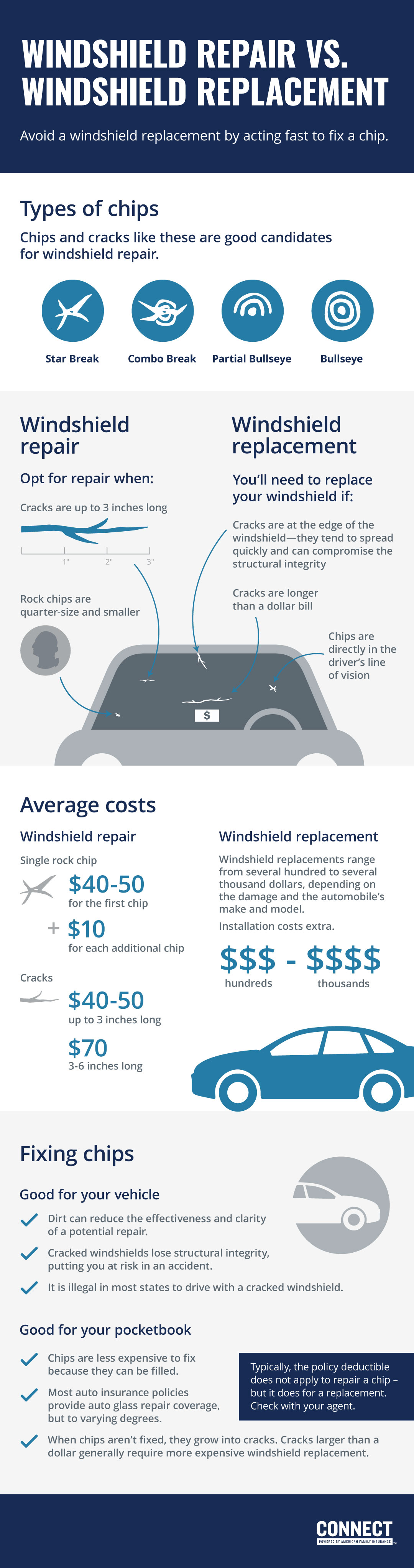
The size and location of the damage affect coverage. Small chips or cracks might only need repair. Large cracks or shattered glass usually require full replacement. Insurance often covers full replacement if the damage blocks your view or weakens the windshield.
Cause Of The Damage
How the damage happened plays a key role. Damage from road debris or accidents is often covered. Damage from wear and tear or neglect may not be covered. Some policies exclude damage caused by natural disasters or vandalism. Knowing the cause helps in filing the right claim.
Policy Deductibles And Limits
Your deductible affects how much insurance pays. Deductibles are the amount you pay before coverage starts. A high deductible may mean you pay for the replacement yourself. Some policies have limits on windshield coverage. Check your policy to understand these rules.
Claims Process For Windshield Replacement
The claims process for windshield replacement can feel confusing. Knowing the right steps helps you get your windshield fixed quickly. Insurance companies have clear rules for filing and approval. Understanding these rules makes the process smoother. Below are key points to guide you.
Filing A Claim
Start by contacting your insurance company. Call their claims department or use their online portal. Give details about the damage and how it happened. Provide your policy number and vehicle information. Keep notes of your conversation for reference.
Documentation Needed
Collect proof of the damage. Take clear photos of the cracked or broken windshield. Get a repair estimate from a certified glass shop. Some insurers may ask for a police report if damage was severe. Submit all documents with your claim form promptly.
Approval And Service Providers
Your insurance will review your claim and documents. They decide if full replacement is covered under your policy. Some companies work with specific glass repair shops. You may have to use their approved providers. After approval, schedule your windshield replacement quickly.
Credit: www.connectbyamfam.com
Out-of-pocket Costs And Deductibles
Out-of-pocket costs and deductibles play a big role in windshield replacement. Knowing these costs helps avoid surprise expenses. Insurance may cover some or all of the replacement. Still, deductibles can affect what you pay. Understanding these details saves money and stress.
When Full Coverage Applies
Full coverage insurance often pays for windshield replacement. This coverage depends on your policy type. Comprehensive insurance usually covers glass damage. Some policies cover full replacement without deductibles. Check your policy details to know your benefits.
Common Deductible Amounts
Deductibles usually range from $100 to $500. This amount is what you pay before insurance pays. Lower deductibles mean higher premiums but less out-of-pocket cost. Higher deductibles lower premiums but increase initial costs. Choose a deductible that fits your budget and risk.
Cost-saving Tips
Use insurance that waives the deductible for glass. Some states require zero deductible for windshield repair. Shop around for repair shops with insurance partnerships. Ask if your insurer offers direct billing. Early repair stops damage from getting worse and costing more.
State Laws And Regulations
State laws and regulations shape how insurance covers windshield replacement. These rules vary by location. Understanding them helps you know your rights and costs. States set standards to protect drivers and ensure fair claims. Let’s explore key legal aspects that affect windshield coverage.
Mandatory Coverage Requirements
Some states require insurance to cover full windshield replacement. This means insurers must pay for repairs or replacements. The law often applies to comprehensive car insurance. It helps drivers avoid large out-of-pocket expenses. These rules aim to keep windshields safe and intact.
No-deductible Laws
Several states have no-deductible laws for windshield claims. Policyholders do not pay a deductible for glass repairs. This rule encourages quick repairs and reduces damage risks. It makes insurance claims easier and less costly. No-deductible laws support safer driving conditions.
Consumer Protection Measures
States also enforce consumer protection measures for windshield services. These laws regulate repair shops and insurance practices. They prevent unfair fees and low-quality repairs. Consumers gain more confidence in their claims process. Protection rules ensure proper and timely windshield care.

Credit: www.plymouthrock.com
Expert Tips For Windshield Maintenance
Taking care of your windshield helps keep it strong and clear. Proper maintenance reduces the chance of cracks and chips. It saves money and avoids the need for full replacements. Here are some expert tips for windshield care.
Preventing Damage
Drive carefully on rough roads and avoid gravel areas. Park in shaded spots to protect from sun damage. Clean your windshield gently with soft cloths and mild soap. Replace old wiper blades to stop scratches. Avoid slamming doors, which can cause small cracks.
When To Repair Vs. Replace
Small chips and cracks under six inches usually need repair. Repairs save time and cost less than replacements. Large cracks or damage near edges mean full replacement. Deep damage that blocks your view also requires replacement. Act quickly to stop cracks from growing.
Choosing Reliable Repair Shops
Pick shops with good reviews and proper licenses. Ask about their experience with windshield repairs. Check if they use high-quality materials and modern tools. Confirm if the shop offers warranty on their work. Avoid cheap services that might use poor parts.
Frequently Asked Questions
Does Insurance Cover Full Windshield Replacement?
Most comprehensive auto insurance policies cover full windshield replacement. Coverage depends on your specific policy and deductible. Check your insurance terms to confirm if glass damage is included.
Will I Pay A Deductible For Windshield Replacement?
You might pay a deductible depending on your insurance policy. Some insurers offer glass coverage with zero deductible. Verify your policy details to know if you owe any out-of-pocket costs.
Is Full Windshield Replacement Covered Under Comprehensive Insurance?
Yes, comprehensive insurance typically covers full windshield replacement from damage like cracks or chips. This coverage helps reduce repair costs and protects your vehicle.
Can I Choose Any Repair Shop For Windshield Replacement?
You can usually choose your preferred repair shop. However, some insurers have preferred providers offering faster service or discounts. Confirm with your insurer before proceeding.
Conclusion
Insurance may cover full windshield replacement depending on your policy. Comprehensive coverage often includes glass damage. Deductibles and limits can affect your out-of-pocket cost. Always check your insurance details before repairs. Some companies offer free windshield replacement with no deductible.
Quick action helps prevent further damage and ensures safety. Choose a trusted repair shop for best results. Knowing your coverage helps avoid surprises later. Clear visibility keeps you safe on the road. Stay informed and protect your vehicle wisely.
Leave a Reply