Have you ever noticed a crack or chip in your glass window, door, or even your car windshield and wondered if it’s just a small flaw or something more serious? You might be surprised to learn that damaged glass can pose real risks to your safety.
Ignoring these signs could put you, your family, or others in danger without you even realizing it. You’ll discover why even minor damage matters and what you need to watch out for to keep yourself safe. Keep reading—your safety might depend on it.

Credit: affordableautoglasswi.com
Types Of Glass Damage
Glass damage can take many forms. Each type affects safety differently. Knowing these types helps you spot risks early.
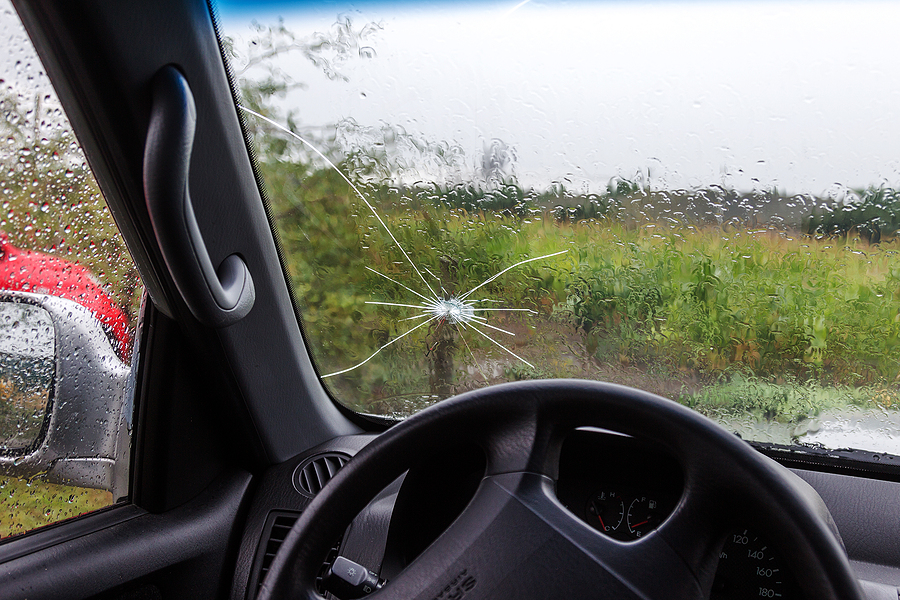
Cracks And Chips
Cracks and chips are common glass problems. Cracks spread slowly and weaken the glass structure. Chips are small missing pieces on the surface. Both can grow larger over time. This makes the glass less stable and more likely to break.
Scratches And Abrasions
Scratches are small surface marks caused by rough contact. Abrasions wear down the glass surface gradually. These damages reduce clarity and can hide bigger problems. Deep scratches weaken glass and increase the chance of breaking under pressure.
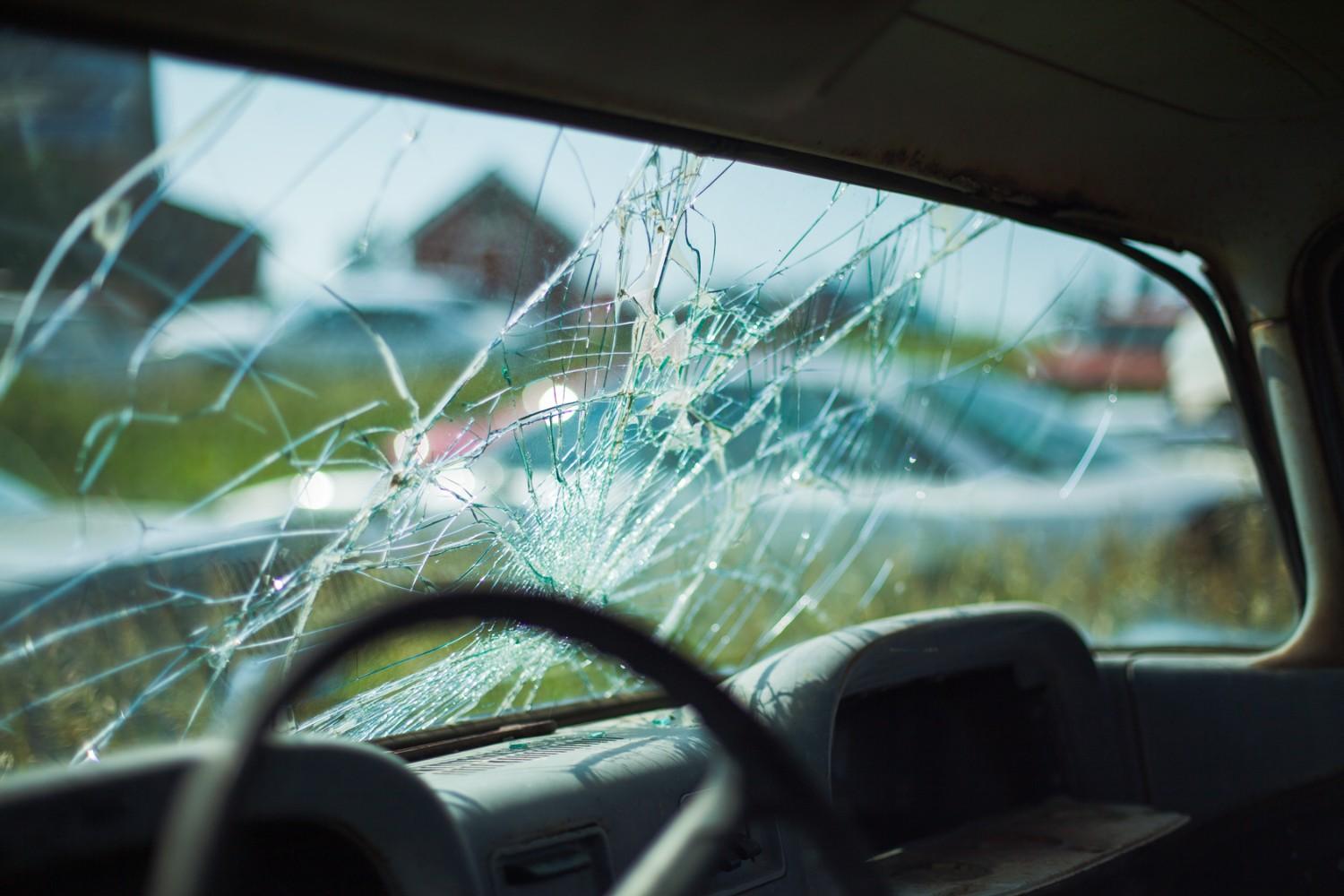
Shattered And Broken Glass
Shattered glass breaks into many pieces. Broken glass has large, loose fragments. Both types are dangerous and can cause injuries. Shattered glass loses all strength and needs immediate replacement to ensure safety.
Credit: www.smileysglass.com
How Damage Affects Glass Strength
Glass looks solid and strong, but damage can change that quickly. Small cracks or chips reduce its strength. This makes the glass less safe. Understanding how damage affects glass helps us see why repairs or replacements matter.
Structural Integrity Loss
Glass relies on its whole surface to stay strong. Damage breaks this surface. Cracks split the glass into weaker parts. The glass cannot hold weight as before. The risk of breakage grows with each chip or crack.
Stress Concentration Points
Damaged areas create stress points in glass. Stress gathers at cracks or chips. These points act like weak spots. Pressure on glass targets these weak spots first. It causes the damage to spread faster and larger.
Impact On Load-bearing Capacity
Load-bearing glass supports weight safely. Damage lowers this capacity. The glass may bend or shatter under less force. This endangers people and property nearby. Damaged glass loses its ability to hold loads well.
Common Safety Risks
Damaged glass poses serious safety risks in homes and workplaces. Small cracks or chips can lead to bigger problems. These issues affect both people and property. Understanding common safety risks helps prevent accidents and injuries.
Injury From Sharp Edges
Broken glass often has sharp edges. These edges can cut skin easily. Even a small crack can cause splinters. Children and pets are especially at risk. Handling damaged glass without care can cause deep wounds.
Glass Shards And Debris
Shattered glass creates tiny shards and debris. These pieces can scatter across floors and surfaces. They may be hard to see but still dangerous. Walking barefoot or touching shards can cause pain and bleeding. Cleaning up broken glass requires caution and proper tools.
Compromised Security Features
Damaged glass weakens windows and doors. This makes it easier for intruders to enter. Security systems rely on intact glass for protection. Cracks reduce the strength and reliability of the glass. Repair or replacement is necessary to maintain safety.
Glass Types And Safety Considerations
Different types of glass offer varying levels of safety and strength. Knowing these types helps understand how damage affects their safety. Some glass breaks into small pieces, while others hold together even when cracked. This matters for safety in homes, cars, and buildings.
Choosing the right glass type can reduce injury risks if damage occurs. Let’s explore three common types and their safety features.
Tempered Glass
Tempered glass is heat-treated to be stronger than regular glass. It breaks into small, blunt pieces instead of sharp shards. This reduces the chance of cuts or serious injuries. Damage to tempered glass lowers its strength and safety. Cracks or chips mean the glass can shatter more easily. It is often used in car windows and shower doors for this reason.
Laminated Glass
Laminated glass consists of two glass layers with a plastic layer between them. If broken, the glass stays stuck to the plastic. This prevents large, sharp pieces from falling. Laminated glass is common in windshields and skylights. Damage can weaken the plastic layer, reducing its ability to hold glass fragments. This may increase injury risk if the glass breaks.
Annealed Glass
Annealed glass is the standard, untreated glass type. It breaks into large, sharp pieces that can cause serious harm. It has the lowest safety features among common glass types. Damage to annealed glass means it can break easily and unpredictably. This glass is less suitable for areas where safety is a priority.
Preventive Measures
Damaged glass can be a hidden danger in many places. Taking steps to prevent issues helps keep everyone safe. Simple actions can stop small cracks from turning into big problems.
Careful attention to your glass surfaces protects your home, office, or car. It lowers risks and saves money on costly repairs later. Here are key ways to maintain glass safety.
Regular Inspections
Check glass surfaces often for cracks, chips, or scratches. Use good lighting to spot damage early. Early detection helps prevent accidents and bigger damage. Make inspections part of your routine safety checks.
Timely Repairs
Fix small damage quickly to stop it from growing. Use proper materials and tools for repairs. Delays can cause cracks to spread and weaken the glass. Fast action keeps glass strong and safe.
Professional Replacement
Replace severely damaged glass with help from experts. Professionals use the right techniques and safety standards. Proper replacement ensures durability and prevents future risks. Avoid DIY fixes for major damage.
Legal And Insurance Implications
Damaged glass does not only affect appearance and function. It can also cause serious legal and insurance problems. Understanding these issues helps property owners act quickly and avoid risks.
Building Codes And Standards
Building codes set clear rules for glass safety in homes and businesses. These codes require certain types of glass in specific places. Broken or cracked glass may break these rules. Non-compliance can lead to fines and legal trouble. Repairing or replacing damaged glass keeps your property safe and legal.
Liability Concerns
Property owners must keep their spaces safe for visitors. Damaged glass increases the risk of injury. If someone gets hurt, owners can be held responsible. This can lead to lawsuits and costly settlements. Acting fast to fix glass damage reduces liability risks.
Insurance Coverage
Insurance policies often cover glass damage. Some policies include glass breakage as part of property protection. Others may require special coverage. Filing claims for damaged glass needs proof and timely reporting. Ignoring damage can lead to denied claims and lost coverage.
Credit: vangoautoglass.com
Frequently Asked Questions
Can Damaged Glass Cause Injury Risks At Home?
Yes, damaged glass can easily break, causing sharp shards. These shards may lead to cuts or serious injuries, especially around children and pets. Prompt repair or replacement reduces safety risks.
How Does Cracked Glass Affect Structural Safety?
Cracks weaken glass strength, reducing its load-bearing capacity. This compromises windows, doors, or glass panels, increasing breakage risk during impact or stress. Immediate assessment and fixing ensure structural integrity.
Is Shattered Glass A Hazard In Public Spaces?
Absolutely, shattered glass poses dangers like cuts and falls. It can cause accidents if not cleaned or replaced quickly. Public areas must maintain glass safety standards to protect visitors.
Can Damaged Car Glass Impair Driver Safety?
Yes, cracks or chips in car glass reduce visibility and increase breakage risk. This endangers drivers and passengers. Timely repairs help maintain clear vision and safety on roads.
Conclusion
Damaged glass can pose serious safety risks at home or work. Cracks and chips weaken the glass, making it easier to break. Broken glass can cause cuts or injuries to anyone nearby. Regular checks help spot damage early and prevent accidents.
Replacing damaged glass keeps your space safe and secure. Don’t ignore small cracks; they can grow quickly. Stay alert and act fast to protect yourself and others. Safety matters most when glass is involved.
Leave a Reply