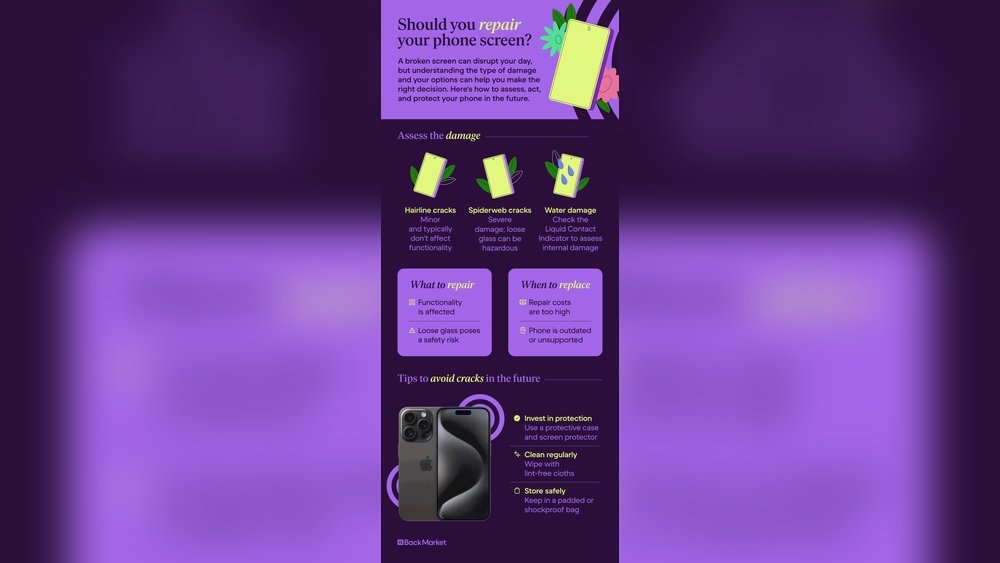
Have you ever faced a cracked window or a chipped glass table and thought, “I can fix this myself”? It’s tempting to grab some glue or tape and call it a day.
But before you start your DIY repair, ask yourself—could your quick fix actually make the glass less safe? What if your solution causes more harm than good, putting you and your loved ones at risk? You’ll discover how common DIY repairs might affect glass safety and what you should really consider before taking matters into your own hands.
Keep reading to protect your home and your peace of mind.
Common Diy Glass Repairs
Many people try to fix glass damage themselves. Common DIY glass repairs aim to stop cracks from growing. These fixes help avoid immediate replacement. They offer quick, low-cost options for small damage.
Understanding these methods helps to know their limits. Some repairs protect glass temporarily. Others might harm the glass safety over time. Here are common DIY glass repair methods.
Temporary Crack Patching
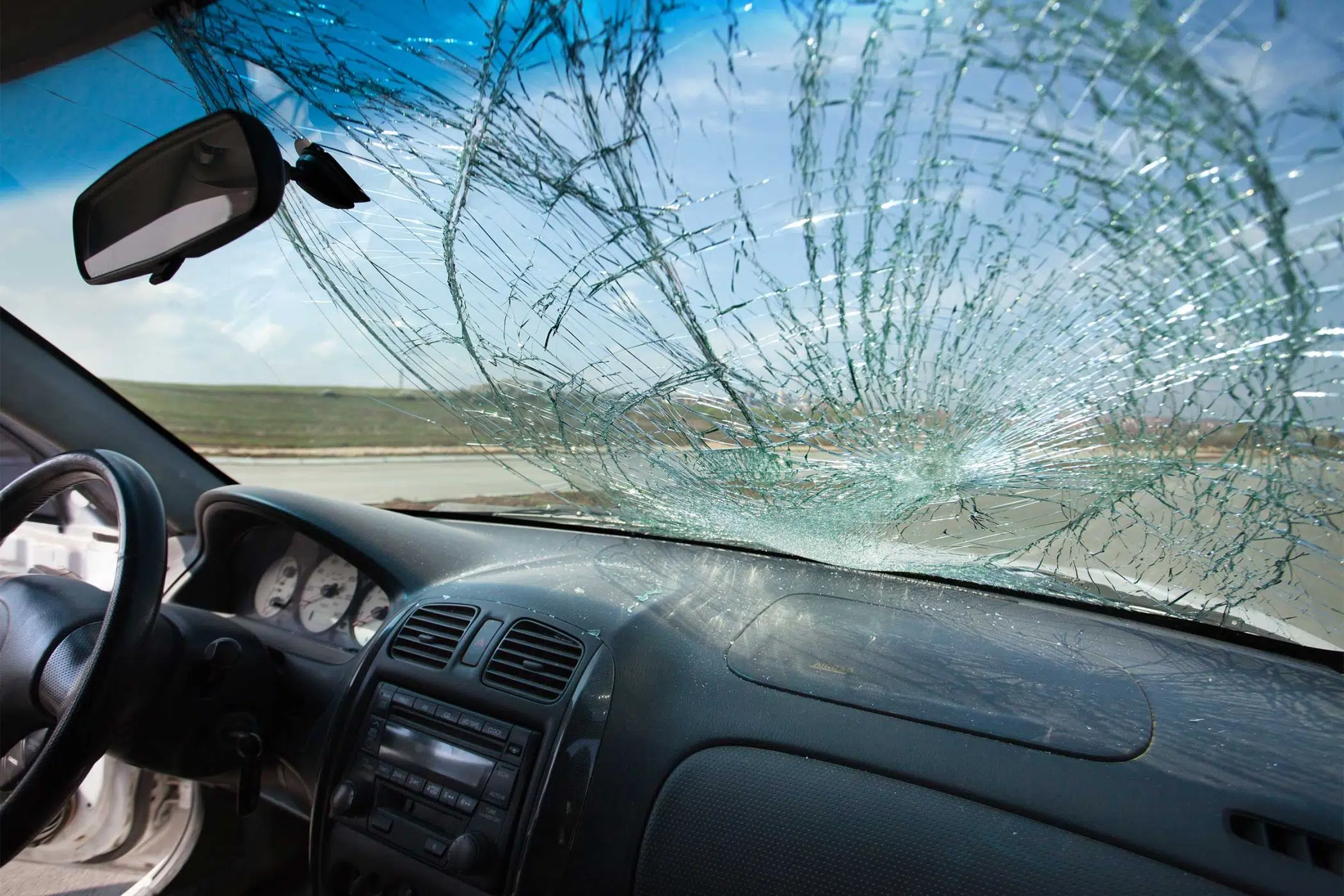
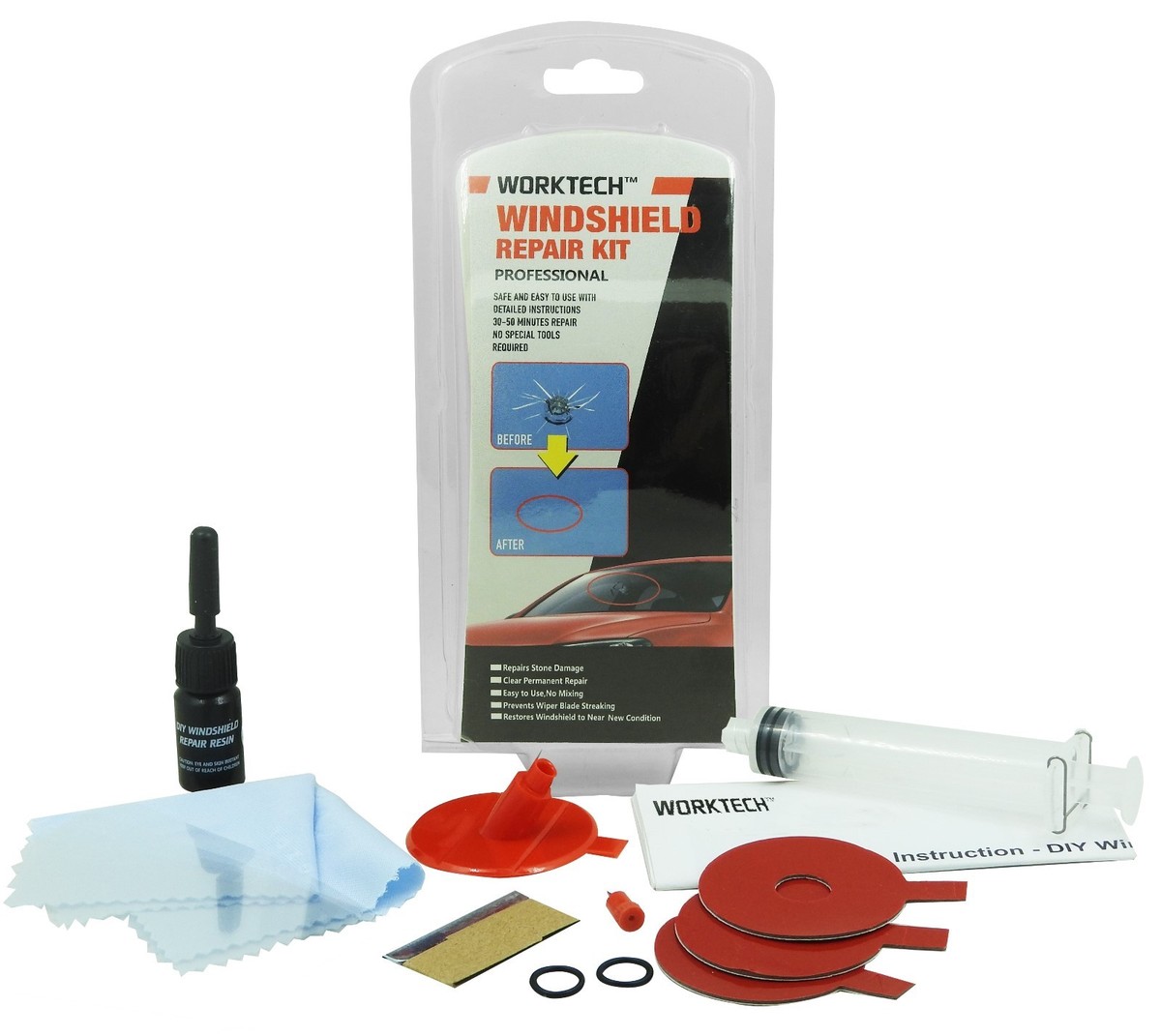
Temporary crack patching uses glue or resin. It fills the crack to stop spreading. This method works best on small cracks. It creates a barrier against dirt and moisture. The patch is not a permanent fix. Cracks can still grow under stress.
Using Household Adhesives
Household adhesives like super glue or epoxy are popular. They bond the glass edges quickly. Adhesives can reduce crack visibility. They help keep glass pieces together. These glues are not designed for glass safety. They can fail under pressure or temperature changes.
Applying Tape Or Film
Tape or clear film covers the crack surface. It holds loose pieces in place. Tape prevents dirt from entering the crack. Films add a layer of protection against breaking. These solutions are easy and fast. They do not strengthen the glass. The glass remains fragile beneath the tape or film.
Credit: boggsautomotive.com
Risks From Improper Fixes
Improper DIY fixes on glass can cause serious safety problems. Many people try to repair glass without the right tools or knowledge. This can lead to unseen damage and weaken the glass. Such risks affect the strength and safety of the glass over time.
Understanding these risks helps you avoid costly and dangerous mistakes. Here are key dangers from improper glass repairs.
Weakened Structural Integrity
Poor repairs reduce the glass’s strength. Cracks might seem fixed but still make the glass fragile. The glass can break under small pressure or impact. This makes the glass unsafe for use around people.
Hidden Damage Expansion
DIY fixes often miss hidden cracks or chips. These small damages grow larger over time. Heat, cold, or vibration can spread the damage quickly. What seemed like a small problem can turn into a big hazard.
Increased Shattering Risk
Improper repairs can make glass shatter easily. Some fixes add stress points that cause sudden breaks. Shattered glass can cause injuries and damage nearby items. Proper repair reduces the chance of sudden shattering.
Safety Standards For Glass
Glass safety depends on strict rules and standards. These standards make sure glass breaks safely and protects people from harm. Different types of glass have unique safety needs. Following these rules is important for homes and buildings. Understanding these standards helps you see why DIY fixes might affect glass safety.
Tempered Glass Requirements
Tempered glass is very strong. It is heated and cooled to increase its strength. If it breaks, it shatters into small, blunt pieces. This reduces injury risk. Tempered glass must meet specific strength tests. These tests check how much force the glass can handle. The glass must also pass heat resistance tests. These rules ensure the glass stays safe in many conditions.
Laminated Glass Features
Laminated glass has a plastic layer between glass sheets. This layer holds the glass together if it breaks. It stops sharp shards from flying. Laminated glass helps keep people safe during accidents. It also blocks UV rays and reduces noise. Safety standards require this plastic layer to be strong and clear. The glass must resist impacts and stay intact after breaking.
Building Code Regulations
Building codes control how glass is used in buildings. They set rules for glass type and thickness. Codes require safety glass in places like doors and windows. These rules prevent serious injuries from broken glass. Inspectors check if glass meets these codes. Following building codes helps protect all building users. Ignoring these rules can lead to fines or accidents.
Credit: www.ebay.com
When To Avoid Diy Repairs
Knowing when to avoid DIY repairs is key for glass safety. Some glass damages need professional care. Attempting fixes on serious issues can cause more harm. It also risks your safety and increases costs later. Understanding the limits of DIY can protect your home and loved ones.
Large Or Deep Cracks
Large cracks weaken the glass structure. Deep cracks often reach the glass core. DIY methods cannot restore strength here. The glass may break suddenly without warning. Professionals use special tools and materials to handle this safely.
Safety Glass Panels
Safety glass includes tempered or laminated types. These panels are designed to break safely. DIY repairs can damage their safety features. This risks injury during future breakage. Only experts should repair or replace safety glass panels.
Load-bearing Glass Components
Some glass parts support weight or structure. These include glass stairs, railings, or floors. DIY fixes can weaken these critical areas. A failure could cause serious injury or damage. Professionals ensure these components stay strong and safe.
Professional Repair Benefits
Choosing professional repair for glass issues brings many safety advantages. Experts know how to handle glass carefully. They reduce risks that DIY fixes might cause.
Professionals use tested methods and the right tools. Their work lasts longer and keeps glass strong and safe. This helps protect your home and family.
Certified Techniques
Experts use certified repair techniques that meet safety standards. These methods ensure the glass holds up well. Certified techniques prevent cracks from spreading or breaking suddenly.
Proper Materials Use
Professionals use materials designed for glass repair. Using proper materials helps keep the glass stable. Wrong materials in DIY fixes can weaken the glass or cause damage.
Warranty And Liability
Professional repairs often come with a warranty. This guarantees the repair work and materials. Also, professionals take responsibility for their work. DIY fixes offer no such security or protection.
Credit: www.walmart.com
Preventive Measures For Glass Safety
Preventive measures help keep glass safe and strong. Small steps can stop cracks and breaks. These actions also protect you and your family from injuries.
Taking care of glass regularly is smart. It saves money and avoids big problems later. Here are some simple ways to keep glass safe in your home.
Regular Inspections
Check glass surfaces often for chips or cracks. Look closely at edges and corners. Early signs of damage need quick attention.
Spotting small issues early can stop bigger breaks. Use a soft cloth and good light to inspect glass. Note any changes and fix them fast.
Safe Cleaning Practices
Clean glass with gentle, non-abrasive products. Avoid harsh chemicals that can weaken glass. Use soft cloths or sponges to prevent scratches.
Wipe glass gently in circular motions. Do not apply too much pressure. Dry glass carefully to avoid streaks and marks.
Using Protective Films
Apply protective films to strengthen glass surfaces. These films hold glass pieces together if it breaks. They reduce the risk of injury from sharp shards.
Choose films designed for safety and UV protection. Films also help reduce glare and heat from sunlight. Installation is simple and adds extra security.
Frequently Asked Questions
Can Diy Fixes Weaken Glass Safety?
DIY fixes can compromise glass integrity by causing cracks or uneven pressure. Professional repairs ensure safety standards and durability.
Are Diy Glass Repairs Cost-effective Long-term?
DIY repairs may save money initially but can lead to costly replacements if done incorrectly, affecting safety and durability.
What Risks Do Diy Glass Repairs Pose?
Improper DIY repairs risk glass breakage, injury, and reduced safety. They may also void warranties or insurance coverage.
When Should I Avoid Diy Glass Repairs?
Avoid DIY fixes on tempered or laminated glass, as improper handling can cause shattering or loss of safety features.
Conclusion
DIY fixes might seem easy and cheap. But glass safety can get compromised quickly. Small cracks can grow into big breaks. Wrong tools or methods may weaken the glass. Safety glass needs special care and skills. Professionals know how to handle these risks.
Protect your home and loved ones wisely. Sometimes, spending a little more is safer. Think twice before fixing glass yourself. Safety should always come first.
Leave a Reply