
Have you ever stopped to think about how safe the glass around you really is? Whether it’s the windows in your home, the screen on your phone, or the glass doors at work, glass safety plays a huge role in protecting you and your loved ones from harm.
Understanding what glass safety means can help you make smarter choices and avoid accidents that might seem minor but can cause serious injuries. You’ll discover the key facts about glass safety, why it matters, and what you can do to keep yourself safe every day.
Keep reading—your safety depends on it.
Glass Safety Basics
Glass safety is important to prevent injuries and accidents. It means using the right kind of glass and handling it carefully. Knowing the basics helps people stay safe around glass in homes, offices, and public places.
This section explains the main types of safety glass, common dangers, and how glass breaks. Understanding these points helps make better choices and avoid harm.
Types Of Safety Glass
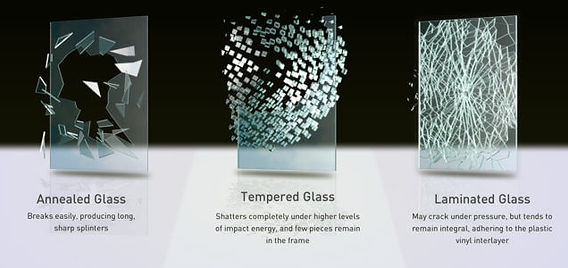
There are mainly two types of safety glass: tempered glass and laminated glass. Tempered glass is heat-treated to be stronger than regular glass. It breaks into small, blunt pieces instead of sharp shards.
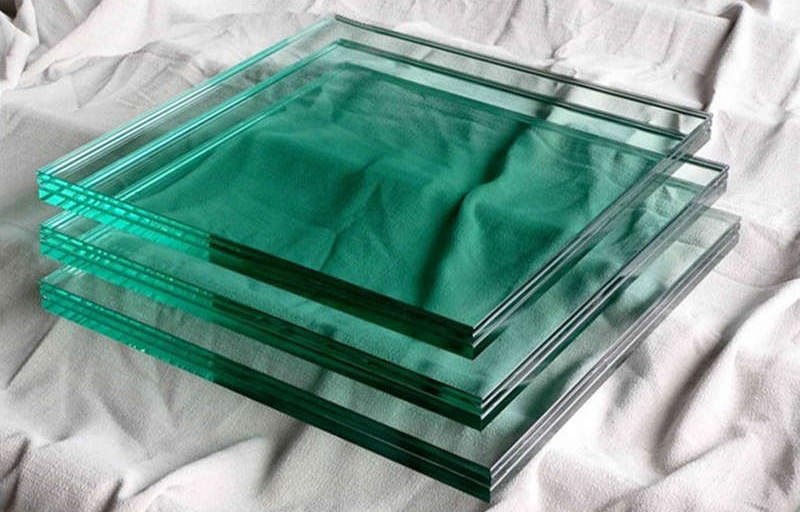
Laminated glass has a plastic layer between two glass sheets. This layer holds the glass together if it breaks. Both types reduce the risk of serious injury.
Common Hazards With Glass
Broken glass can cause cuts and wounds. Sharp edges are especially dangerous. Glass can also shatter due to impact or pressure. Poor installation and old glass increase risks. Slippery surfaces near glass can lead to accidents too.
How Glass Breaks
Glass breaks from stress, impact, or temperature changes. Stress means pressure or force on the glass. Impact is a sudden hit or collision. Rapid temperature changes cause glass to crack. Knowing this helps prevent damage and injury.
Credit: www.karseyglass.com
Protective Glass Features
Protective glass features keep people safe and protect property. These features make glass stronger and reduce injury risks. They help glass resist breaking and limit sharp shards. Different types of protective glass have unique benefits. They suit many uses in homes, cars, and offices.
Tempered Glass Benefits
Tempered glass is much stronger than regular glass. It breaks into tiny pieces instead of sharp shards. This reduces the risk of cuts and injuries. It can handle heat and impact better. Many doors, windows, and screens use tempered glass for safety.
Laminated Glass Uses
Laminated glass has a plastic layer between two glass sheets. This layer holds the glass together when broken. It stops glass from falling apart or causing harm. It also blocks harmful UV rays. Laminated glass is common in car windshields and skylights.
Coatings And Treatments
Special coatings make glass more durable and safe. Some coatings protect against scratches and stains. Others add strength or reduce glare. Treatments can also help glass resist heat and fire. These features improve glass performance in many settings.
Safe Handling Practices
Safe handling practices are essential to prevent accidents and injuries with glass. Glass can break easily and cause serious harm. Following proper steps helps keep everyone safe during installation, transport, and use.
Proper Installation Tips
Install glass carefully to avoid damage. Use the right tools and follow the manufacturer’s instructions. Make sure the glass fits well in its frame. Avoid forcing glass into place. Check for cracks or chips before installation. Secure the glass firmly to prevent movement or rattling.
Handling And Transport
Handle glass with care to prevent breakage. Always carry glass vertically, not flat. Use both hands and hold it firmly. Transport glass in a padded container or with protective covers. Avoid bumping glass against hard surfaces. Move slowly and watch for obstacles in the path.
Personal Protective Equipment
Wear protective gear when working with glass. Use safety gloves to protect hands from cuts. Wear safety glasses to shield eyes from shards. Consider long sleeves and sturdy clothing to protect skin. Use helmets if working overhead. Always check that your protective equipment fits well and is in good condition.
Credit: www.hongjiaglass.com
Home Glass Safety Tips
Home glass safety is important to keep everyone safe. Glass in windows, doors, and other areas can cause injuries if not handled carefully. Small changes around the house can help prevent accidents.
These tips focus on securing glass areas, protecting children, and regular checks. Safe glass areas mean less risk of cuts and breaks.
Securing Windows And Doors
Lock all windows and doors with glass to stop accidents. Use sturdy locks to prevent them from opening by mistake. Add safety film to glass to reduce shattering. This film keeps broken glass pieces together and lowers injury risks.
Childproofing Glass Areas
Place guards or stickers on large glass surfaces. These marks make glass more visible for children. Use safety gates near glass doors or windows. Keep furniture away from glass to avoid bumps and falls. Teach children to stay away from glass areas.
Maintenance And Inspection
Check glass regularly for cracks or chips. Replace damaged glass quickly to avoid bigger problems. Clean glass with gentle products to prevent scratches. Inspect window seals and frames for wear and tear. Fix any loose parts to keep glass secure.
Workplace Glass Safety
Workplace glass safety is essential to protect employees from injuries. Glass can break easily and cause cuts or worse. Proper safety measures reduce accidents and keep the work area secure.
Employers must take steps to handle glass safely. This includes following rules, training staff, and preparing for emergencies. Clear guidelines help everyone know what to do.
Regulations And Standards
Workplaces must follow glass safety laws. These rules set limits on glass types and where to use them. Safety glass, like tempered or laminated, often replaces regular glass.
These standards ensure glass is less likely to break or cause harm. Employers must check local and national regulations. Compliance avoids fines and keeps workers safe.
Employee Training
Training workers on glass safety is vital. Staff learn how to handle glass and spot risks. Proper use of tools and safety gear is included.
Regular training refreshes knowledge and reduces careless mistakes. Everyone understands how to work safely around glass surfaces and containers.
Emergency Procedures
Having clear plans for glass accidents is critical. Employees must know how to respond quickly to cuts or broken glass. First aid kits should be accessible.
Workplaces should practice emergency drills. This helps staff stay calm and act fast. Proper cleanup of broken glass prevents further injuries.
Innovations In Glass Safety
Glass safety has advanced with new technologies and materials. These innovations help protect people and property better than before. Safer glass options are now common in homes, cars, and workplaces. These improvements reduce injuries and increase security.
Smart Glass Technologies
Smart glass changes its properties depending on the environment. It can become opaque or clear with a switch. This helps control light and heat inside buildings. Smart glass also adds privacy without curtains or blinds. It improves energy efficiency and safety at the same time.
Impact-resistant Materials
New materials make glass much stronger and less likely to break. Laminated glass uses a plastic layer to hold shards together. Tempered glass is heated and cooled to increase strength. These types reduce the risk of sharp injuries. They are common in car windows and glass doors.
Future Trends
Researchers work on glass that can heal itself after cracks. Some glass types will warn users of damage using sensors. Transparent solar panels may combine safety with energy production. These trends aim to make glass safer and more useful.

Credit: destinglass.com
Frequently Asked Questions
What Is Glass Safety In Buildings?
Glass safety involves using materials and techniques that prevent injury from broken glass. It includes tempered, laminated, or coated glass to reduce breakage risks and protect occupants from sharp shards.
Why Is Tempered Glass Safer Than Regular Glass?
Tempered glass is heat-treated to increase strength. When broken, it shatters into small, blunt pieces instead of sharp shards, reducing injury risk and enhancing safety in homes and public spaces.
How Does Laminated Glass Improve Safety?
Laminated glass has a plastic layer between two glass sheets. This layer holds the glass together when broken, preventing shards from scattering and reducing the chance of cuts or falls.
Where Is Safety Glass Required By Law?
Safety glass is legally required in areas prone to impact, like doors, windows near floors, and bathrooms. Building codes mandate its use to minimize injury during accidents.
Conclusion
Glass safety protects people from serious injuries caused by broken glass. Using strong, tested glass reduces the risk of accidents. Safe glass breaks into small, less dangerous pieces. Always choose glass that meets safety rules and standards. Knowing about glass safety helps keep homes and workplaces secure.
Stay aware and handle glass with care every day. This simple knowledge can prevent harm and save lives. Safety matters, especially with glass around us.
Leave a Reply